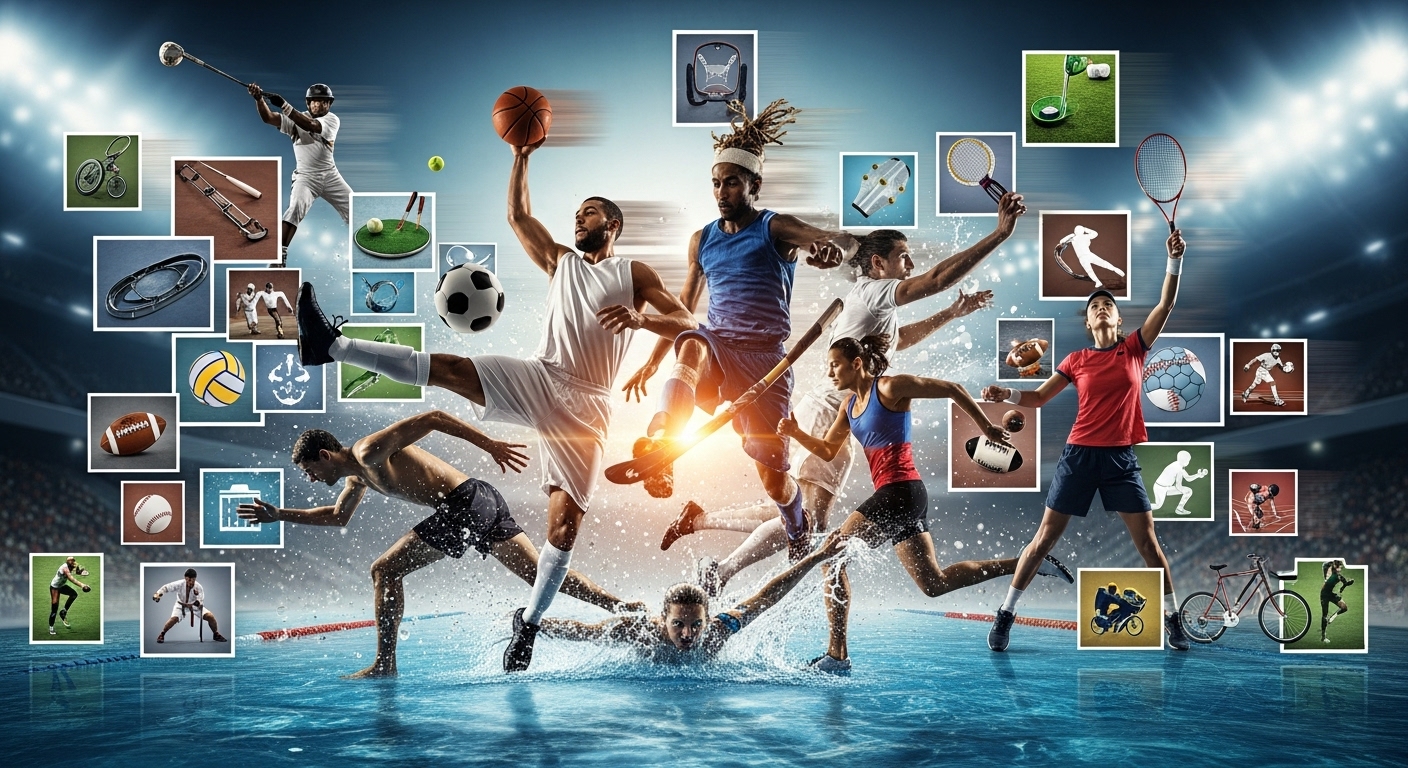
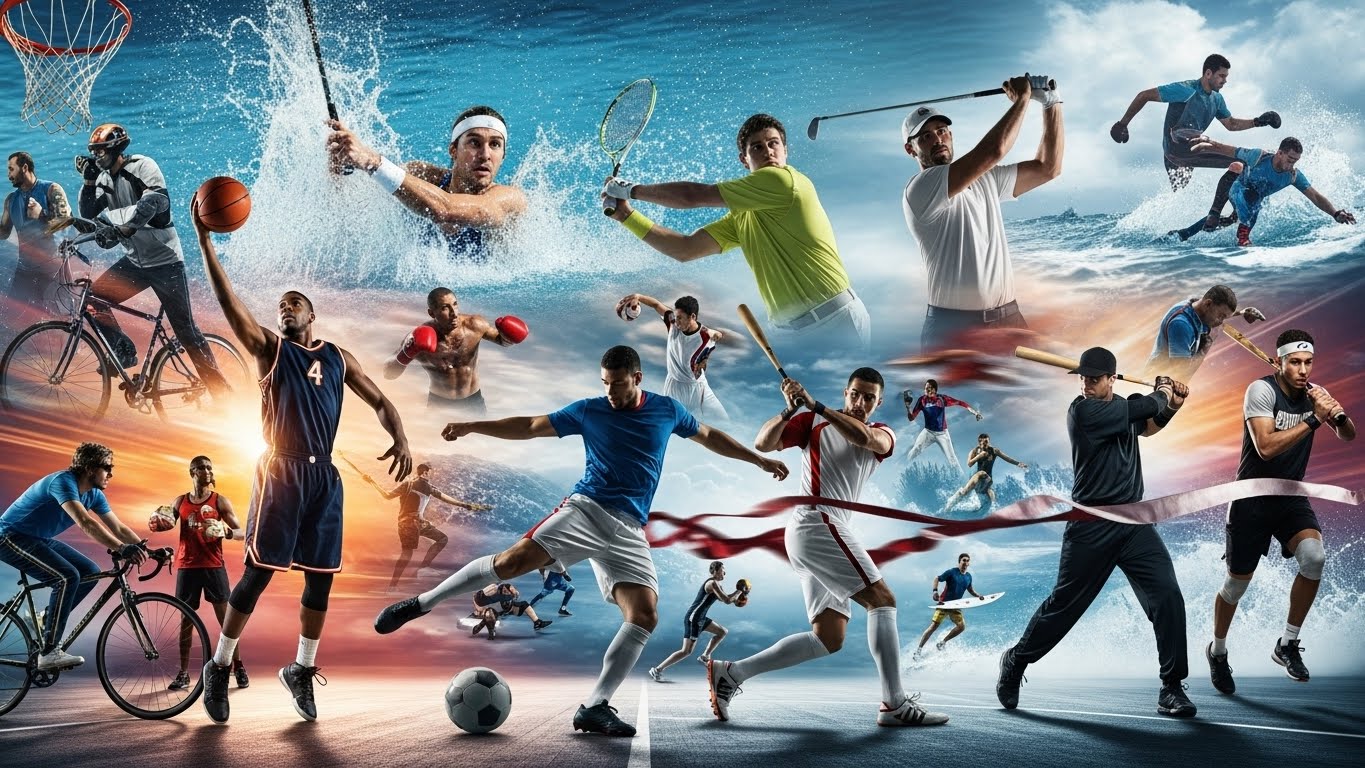
Sports have been an integral part of human culture for centuries, shaping societies, influencing personal development, and serving as a universal language that transcends borders. From ancient civilizations that celebrated athletic prowess to modern-day stadiums packed with fervent fans, sports continue to inspire, challenge, and unite people across the globe. While many view sports merely as a form of entertainment, its impact extends far beyond the field, court, or track. In this blog, we will explore the multifaceted influence of sports, examining its role in physical health, mental well-being, personal growth, societal cohesion, and global diplomacy.
The Evolution of Sports Through History
The story of sports begins in ancient times. Archaeological evidence suggests that humans engaged in competitive physical activities as far back as 3000 BCE. Ancient civilizations, including the Egyptians, Greeks, and Romans, held athletic competitions that were deeply embedded in their cultures. The Olympic Games of Ancient Greece, for instance, were not only a test of physical strength and skill but also a celebration of human achievement and religious devotion.
Over centuries, sports have evolved alongside societies. The medieval era saw the rise of tournaments and jousting, while the modern era brought organized leagues, standardized rules, and international competitions. Today, sports range from traditional games like soccer and cricket to extreme sports such as rock climbing and parkour. This evolution demonstrates not only how sports adapt to cultural trends but also how they reflect the values, innovations, and ambitions of the societies that play them.
Physical Health Benefits of Sports
One of the most obvious benefits of participating in sports is the positive impact on physical health. Regular engagement in physical activity strengthens the cardiovascular system, improves muscle and bone strength, enhances flexibility, and reduces the risk of chronic diseases such as obesity, diabetes, and hypertension. For children and adolescents, sports help develop coordination, motor skills, and healthy habits that can last a lifetime.
Beyond traditional fitness, sports offer dynamic and engaging ways to maintain health. Team sports like basketball or soccer promote endurance and agility, while individual sports such as swimming, running, and martial arts focus on stamina and discipline. Even recreational sports, including hiking, cycling, or dancing, provide opportunities to stay active while enjoying the mental and social benefits of movement. In essence, sports are a holistic approach to maintaining a healthy body and an active lifestyle.
Mental Health and Emotional Well-Being
While the physical benefits of sports are widely recognized, its role in mental health is equally important. Engaging in sports triggers the release of endorphins, chemicals in the brain that reduce stress, enhance mood, and create a sense of well-being. Regular participation can alleviate symptoms of anxiety, depression, and other mental health challenges.
Sports also foster focus, resilience, and problem-solving skills. Athletes learn to set goals, handle pressure, and bounce back from setbacks. These lessons extend beyond the playing field, helping individuals navigate the challenges of everyday life. Furthermore, the social interaction inherent in team sports combats feelings of isolation and builds a sense of belonging. Whether it’s the camaraderie among teammates or the shared experience of competition, sports provide emotional nourishment that strengthens mental resilience.
Personal Growth and Character Development
Participation in sports is a powerful catalyst for personal growth. Athletes develop discipline, perseverance, and time management skills as they balance training, competitions, and other responsibilities. They also cultivate leadership qualities by motivating teammates, making strategic decisions, and taking responsibility for outcomes. These skills are transferable to other aspects of life, including education, career, and relationships.
Moreover, sports instill values such as fairness, integrity, and respect for others. In the heat of competition, athletes learn to navigate victory with humility and defeat with grace. This ethical dimension of sports nurtures character and fosters a sense of accountability that resonates far beyond the game. For young people especially, sports serve as a structured environment where they can learn life lessons in a supportive and challenging setting.
Sports as a Tool for Social Cohesion
One of the most remarkable aspects of sports is its ability to unite people across social, cultural, and economic divides. Sporting events create shared experiences that transcend individual differences. Fans from diverse backgrounds come together to celebrate, cheer, and support their teams, forming temporary communities that foster social bonds.
Sports can also challenge social inequalities and promote inclusivity. Programs designed for underprivileged youth, women, and differently-abled individuals provide opportunities to participate, compete, and achieve recognition. By bridging gaps and empowering marginalized groups, sports serve as a catalyst for social change and collective solidarity.
The Global Impact of Sports
Sports have a profound influence on a global scale, acting as a bridge between nations and cultures. International competitions such as the Olympic Games, FIFA World Cup, and Commonwealth Games attract millions of viewers worldwide, celebrating human talent and fostering global unity. Athletes become ambassadors of their countries, demonstrating that the pursuit of excellence is a universal aspiration.
Additionally, sports diplomacy has been instrumental in easing political tensions and promoting peace. Historical examples include “ping-pong diplomacy” between the United States and China and collaborative international sports initiatives that bring conflicting nations together. In this way, sports transcend geopolitical boundaries, demonstrating the power of shared passion to promote understanding and cooperation.
Economic Significance of Sports
The world of sports is also a major driver of economic activity. Professional leagues, sponsorship deals, merchandising, and media rights generate billions of dollars annually. Sporting events stimulate tourism, create employment opportunities, and boost local economies. Even amateur sports contribute economically by driving demand for equipment, facilities, and coaching services.
Beyond financial considerations, sports inspire entrepreneurial ventures and innovation. From fitness apps to advanced sports technology and wearable devices, the sports industry fuels creativity and development, illustrating the interconnectedness of athletic pursuits with broader economic growth.
Technological Advancements in Sports
Technology has revolutionized the way sports are played, viewed, and analyzed. Innovations such as video assistant referees, goal-line technology, and performance-tracking devices enhance fairness, accuracy, and performance optimization. Sports analytics now allow coaches and athletes to make data-driven decisions, improving training efficiency and strategic planning.
Virtual reality, augmented reality, and immersive broadcasting experiences are transforming fan engagement, making sports more interactive and accessible. Even amateur athletes benefit from wearable technology that monitors heart rate, calories burned, and other key metrics, helping individuals personalize their training routines. The integration of technology demonstrates that sports are not only a physical pursuit but also a field of innovation and scientific advancement.
Inspirational Stories from the World of Sports
One of the most compelling aspects of sports is the stories of perseverance, determination, and triumph that emerge from it. Athletes often overcome immense obstacles, including physical disabilities, social challenges, or personal hardships, to achieve greatness. These stories inspire millions, demonstrating that dedication, resilience, and hard work can transform dreams into reality.
For instance, consider athletes who rise from impoverished backgrounds to international stardom, or those who defy expectations after serious injuries. Their journeys serve as powerful reminders that the human spirit is capable of extraordinary feats when fueled by passion and commitment.
Sports for All Ages
Sports are not limited to elite athletes or young people. They offer meaningful benefits at every stage of life. Children gain foundational skills, adolescents develop social and emotional maturity, adults maintain fitness and mental sharpness, and seniors can improve mobility, balance, and overall quality of life. Adaptive sports programs and recreational leagues ensure that age or physical limitations do not become barriers, making sports a lifelong companion for health and happiness.
The Future of Sports
The future of sports is likely to be shaped by continued globalization, technological advancements, and a growing emphasis on inclusivity and sustainability. Esports and virtual competitions are redefining the boundaries of athleticism, while eco-friendly stadiums and environmentally conscious practices are transforming the way events are hosted. Sports will continue to inspire, unite, and challenge humanity, reflecting the evolving values and aspirations of society.
As we look ahead, it is clear that the essence of sports—competition, teamwork, personal growth, and shared joy—will remain constant, even as the formats, technologies, and global reach continue to expand. The potential for sports to influence physical health, mental well-being, social cohesion, and global diplomacy is immense, making it a cornerstone of human culture and progress.
Conclusion: Embracing the Spirit of Sports
Sports are far more than games or competitions; they are a reflection of human potential, creativity, and resilience. They enrich our lives by promoting health, cultivating character, fostering community, and inspiring global unity. Whether one participates actively, follows as a fan, or supports youth programs, the impact of sports resonates in multiple dimensions of life.
By embracing the spirit of sports, individuals and societies alike can unlock physical vitality, mental strength, social harmony, and even economic and diplomatic opportunities. In a world often divided by differences, sports stand as a unifying force, reminding us of the shared human desire to strive, achieve, and celebrate together.