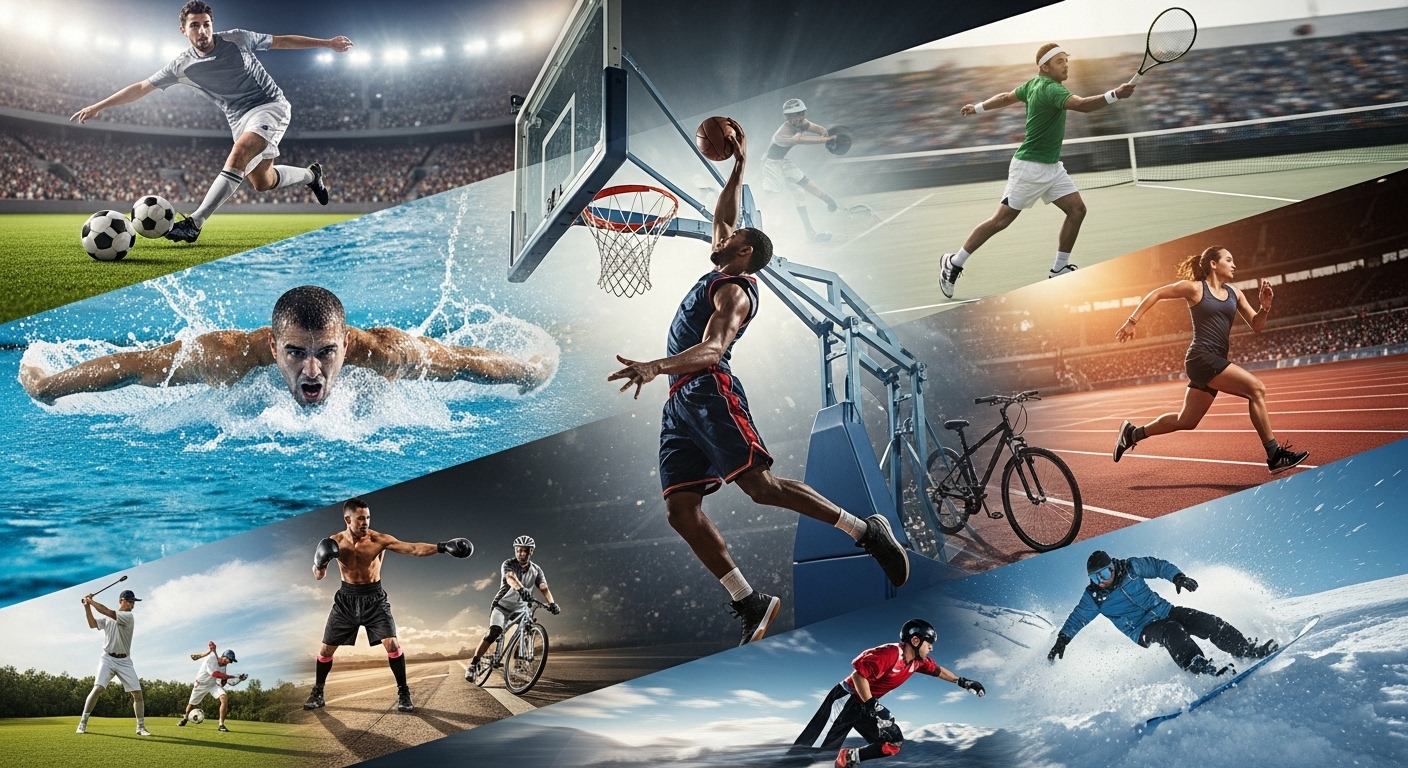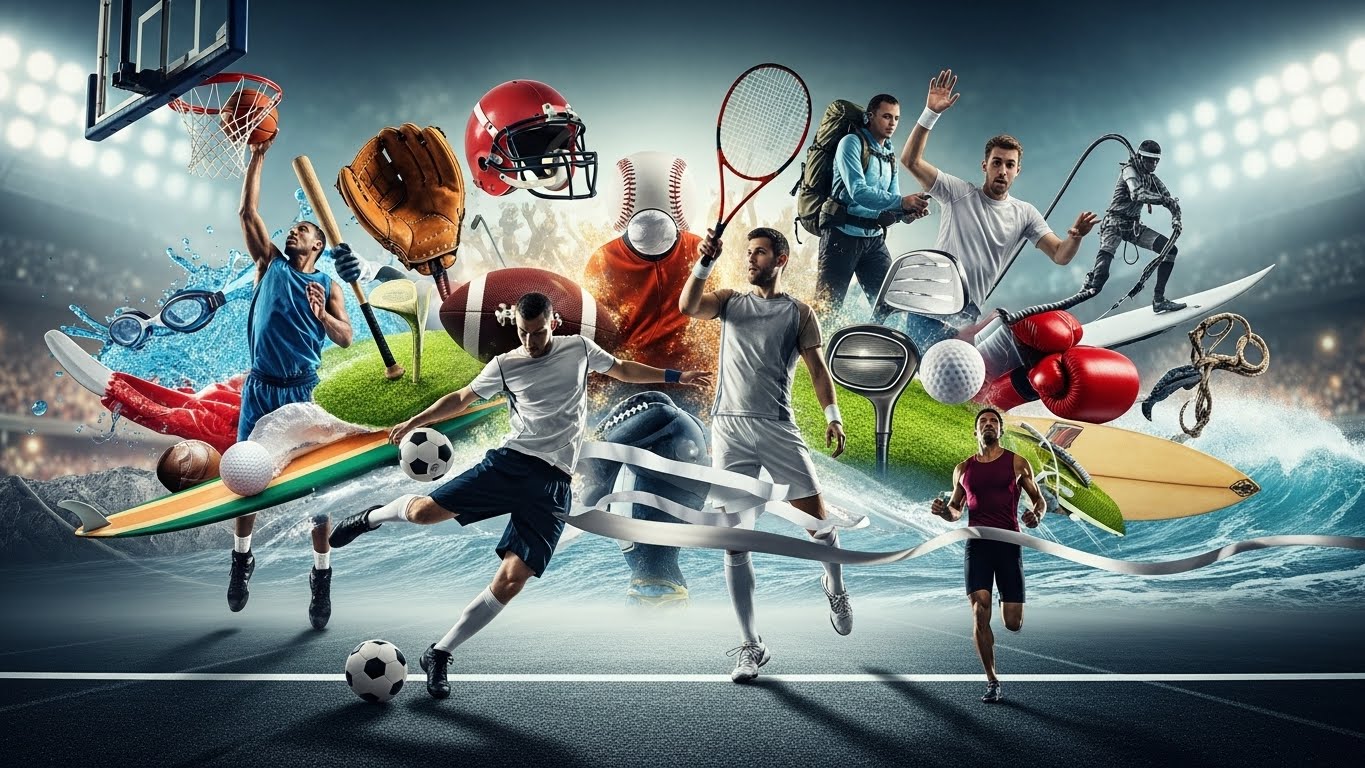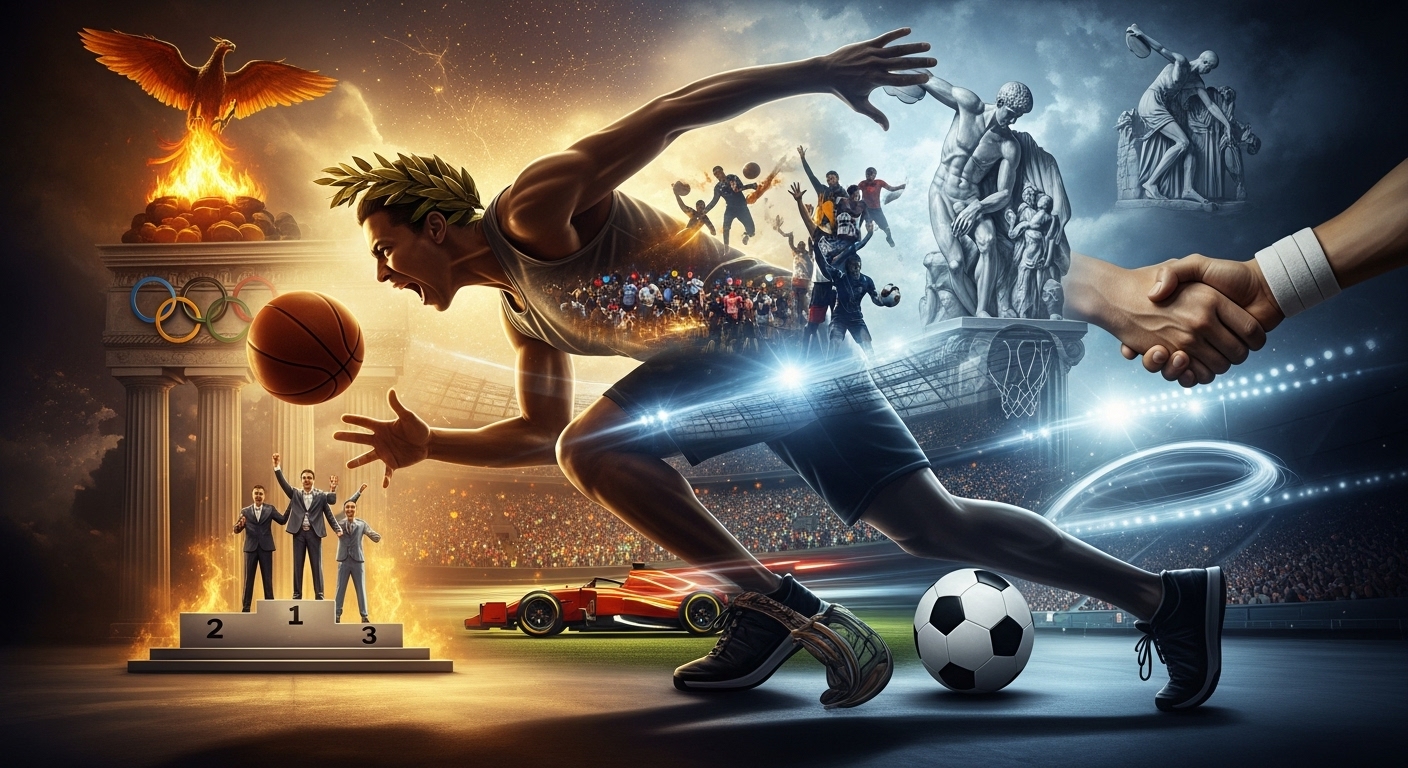
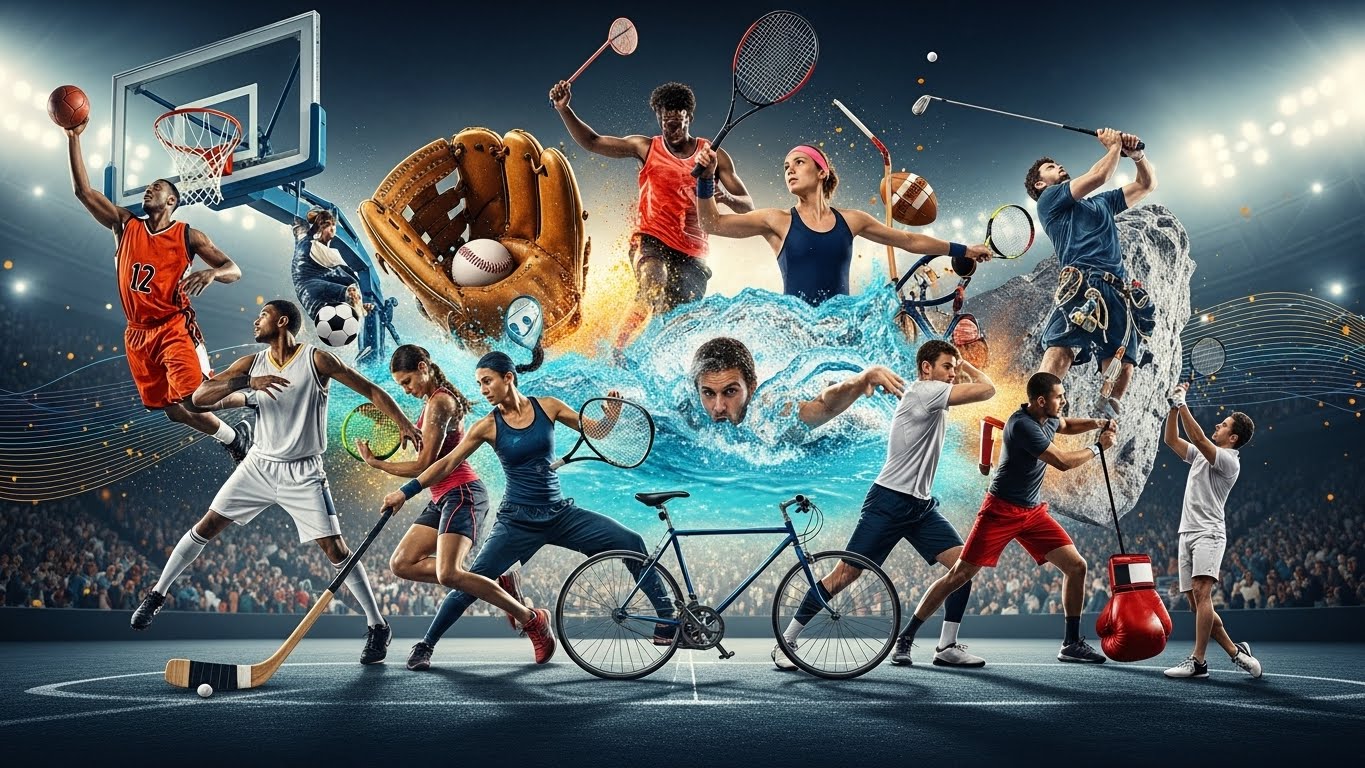
Sports have been a fundamental part of human culture for centuries, transcending borders, languages, and social barriers. From ancient Olympic games to modern international tournaments, sports not only entertain but also inspire, teach, and transform lives. Whether it is the exhilaration of victory, the lessons learned from defeat, or the camaraderie built along the way, the world of sports offers profound experiences that go far beyond the scoreboard. In this article, we explore how sports impact individuals, communities, and societies, revealing the deep significance that often goes unnoticed.
The Physical Benefits of Sports
One of the most obvious advantages of engaging in sports is physical health. Regular participation in physical activities such as running, swimming, football, or yoga helps strengthen muscles, improve cardiovascular health, enhance flexibility, and maintain a healthy weight. Beyond these benefits, sports also enhance coordination, balance, and reflexes, reducing the risk of injury in daily life. Engaging in sports from a young age helps establish healthy habits that can last a lifetime, promoting overall wellness and longevity.
Moreover, sports are a powerful tool in combating lifestyle-related illnesses such as obesity, diabetes, and hypertension. The combination of aerobic and anaerobic activities in many sports contributes to improved metabolic rates and stronger immune systems. For children and teenagers, sports play a critical role in growth and development by building strong bones and muscles while fostering good posture and body mechanics. Adults and seniors, on the other hand, benefit from maintaining mobility, flexibility, and mental sharpness through regular physical activity.
Mental Health and Emotional Resilience
While the physical benefits of sports are well-documented, the psychological advantages are equally significant. Participation in sports has been shown to reduce stress, anxiety, and depression. The act of physical exertion releases endorphins, often called “feel-good” hormones, which naturally elevate mood and create a sense of well-being. Beyond chemical effects, sports offer a mental escape from everyday pressures, allowing individuals to focus solely on the game or activity at hand.
Sports also teach resilience and mental toughness. Athletes learn to navigate both success and failure, developing coping mechanisms that translate into everyday life. Losing a match or performing poorly in practice encourages introspection, problem-solving, and persistence. Over time, individuals cultivate patience, discipline, and a growth mindset, understanding that setbacks are stepping stones rather than insurmountable obstacles.
Building Character Through Teamwork
One of the most profound lessons sports teach is the value of teamwork. Few other activities require such a combination of individual skill and collective effort. In team sports such as basketball, soccer, or rugby, success is not solely dependent on one player’s talent but on the group’s coordination and cooperation. Athletes learn to communicate effectively, respect diverse perspectives, and trust their teammates. These skills are transferable to the workplace, academic settings, and personal relationships, illustrating how sports can shape well-rounded individuals.
Even in individual sports like tennis or gymnastics, athletes are rarely alone in their journey. Coaches, trainers, and supporters play a crucial role, teaching the importance of mentorship, guidance, and constructive feedback. The discipline to train regularly, adhere to schedules, and strive for incremental improvement fosters a sense of accountability and responsibility. This combination of personal effort and reliance on a broader support network underscores the holistic impact of sports on character development.
Sports as a Catalyst for Social Inclusion
Sports possess a unique ability to bridge social, cultural, and economic divides. Regardless of background, religion, or nationality, sports offer a common ground where people can interact, compete, and collaborate. Major sporting events, from local community leagues to global tournaments, bring people together, fostering unity and camaraderie. In many instances, sports have played a critical role in promoting social inclusion, challenging discrimination, and advocating equality.
Programs aimed at integrating marginalized groups through sports have shown remarkable success. Adaptive sports for individuals with disabilities, women’s sports leagues, and youth initiatives in underprivileged areas have provided opportunities that extend far beyond physical activity. Through sports, participants gain confidence, learn social skills, and develop a sense of belonging, demonstrating that the influence of sports extends deeply into societal transformation.
The Role of Sports in Education
Education and sports have always shared a complementary relationship. Schools and colleges that prioritize athletics alongside academics recognize that holistic development requires attention to both the mind and body. Sports in educational institutions foster discipline, time management, and leadership qualities. Student-athletes learn to balance rigorous academic demands with training schedules, instilling habits that benefit them long after graduation.
Furthermore, sports teach critical life skills such as strategic thinking, adaptability, and decision-making under pressure. Participation in competitions encourages goal setting, perseverance, and self-motivation. In many cases, students gain scholarships and opportunities for higher education through their athletic abilities, highlighting how sports can open doors that academics alone may not.
The Global Impact of Professional Sports
Professional sports hold a special place in modern culture, shaping national identity, economy, and entertainment. Global events such as the FIFA World Cup, the Olympics, and major tennis or cricket tournaments captivate billions, creating shared experiences across continents. These events not only provide entertainment but also stimulate economies through tourism, broadcasting, sponsorships, and merchandising. Cities that host major events often experience infrastructural development and increased international visibility.
Moreover, professional athletes serve as role models, inspiring countless individuals to pursue their dreams. Stories of dedication, perseverance, and triumph resonate beyond the field, demonstrating the universal appeal of sports. From grassroots participation to elite competition, the sports ecosystem creates opportunities, fosters ambition, and unites fans and players in a shared passion.
Technology and the Evolution of Sports
The world of sports has evolved significantly with technological advancements. Innovations in equipment, analytics, training methods, and broadcasting have transformed how games are played, watched, and understood. Wearable devices track athletes’ performance metrics, helping optimize training and prevent injuries. Video analysis allows coaches and players to strategize more effectively, improving both individual and team performance.
Moreover, digital platforms have expanded access to sports content, enabling fans to follow games, engage with players, and participate in virtual competitions. Esports, an emerging branch of competitive gaming, has further broadened the definition of sports, combining technology, strategy, and skill in ways that appeal to a new generation. These technological advancements underscore the dynamic nature of sports and their ability to adapt to changing societal trends.
Sports and Cultural Identity
Sports are deeply intertwined with cultural identity, reflecting values, traditions, and societal aspirations. Certain sports carry historical and cultural significance, such as sumo wrestling in Japan, cricket in India, or soccer in Brazil. These activities embody national pride, heritage, and community spirit. Fans often experience a profound sense of belonging and identity through their support for local or national teams.
Cultural events centered around sports also foster intercultural dialogue and understanding. International tournaments promote respect for diversity while highlighting shared human experiences. Athletes often become cultural ambassadors, bridging gaps and building goodwill across nations. In this way, sports transcend mere competition, becoming a vehicle for cultural expression and global connection.
The Lifelong Lessons of Sports
The true value of sports lies in the lessons learned and the experiences gained. Sports teach perseverance in the face of adversity, the importance of teamwork, and the need for integrity and fair play. They cultivate resilience, adaptability, and a commitment to continuous improvement. Whether one is a professional athlete or a weekend jogger, sports provide opportunities for growth, reflection, and self-discovery.
Engaging in sports also encourages goal setting and strategic thinking. Athletes learn to plan, execute, and evaluate their performance, fostering skills that extend into professional and personal life. The friendships forged through sports often last a lifetime, built on mutual respect, shared struggles, and memorable victories. Ultimately, the essence of sports is not confined to trophies or records but lies in the journey, the lessons learned, and the joy of participation.
Conclusion: More Than a Game
Sports are far more than just a form of entertainment or competition. They are a powerful force that shapes physical health, mental well-being, social cohesion, and cultural identity. They teach discipline, resilience, and teamwork, while fostering a sense of community and inclusion. The influence of sports extends from the individual level to society at large, transforming lives and bridging divides.
In a world increasingly focused on digital interactions and fast-paced lifestyles, sports remind us of the importance of physical activity, human connection, and shared experiences. They are a celebration of effort, skill, and determination, offering lessons that transcend the boundaries of the field, court, or arena. Whether played professionally or recreationally, sports remain a timeless and transformative aspect of human life, enriching both body and soul.