Introduction
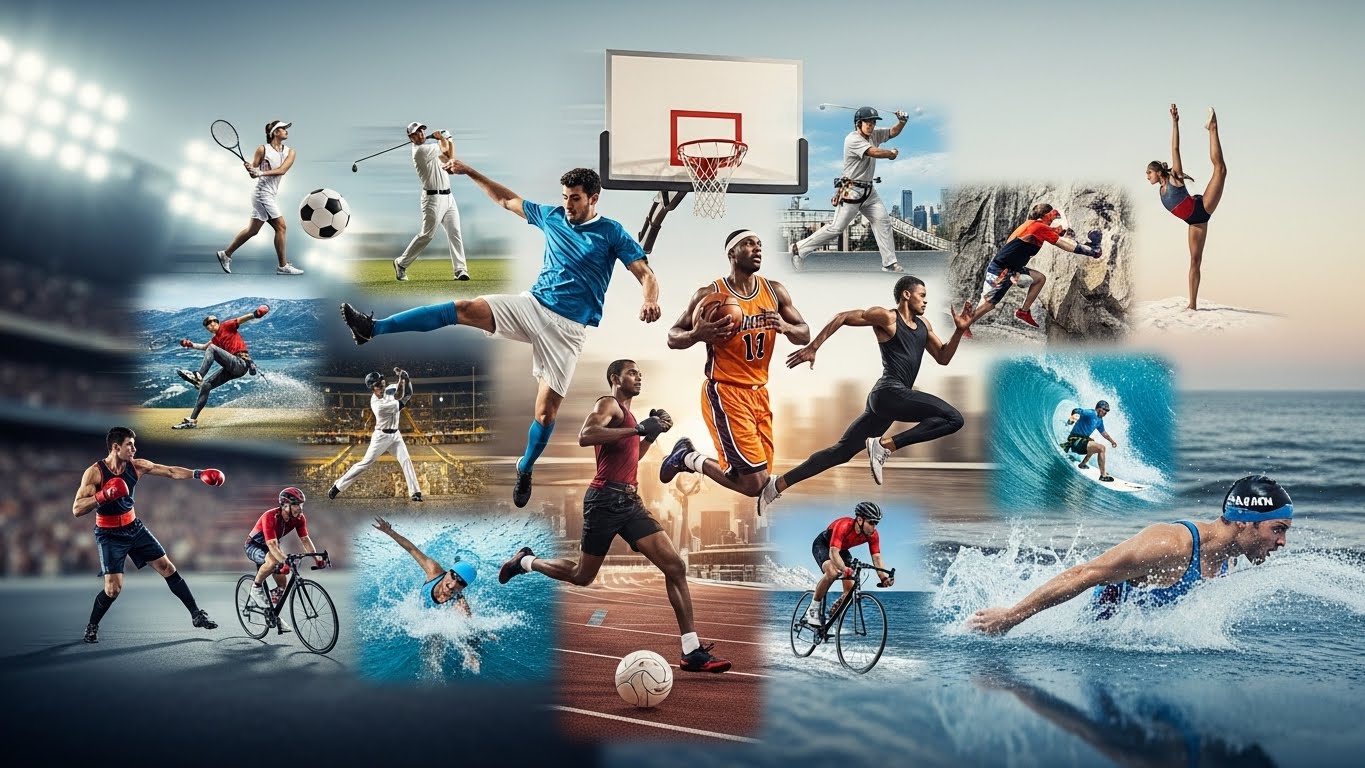
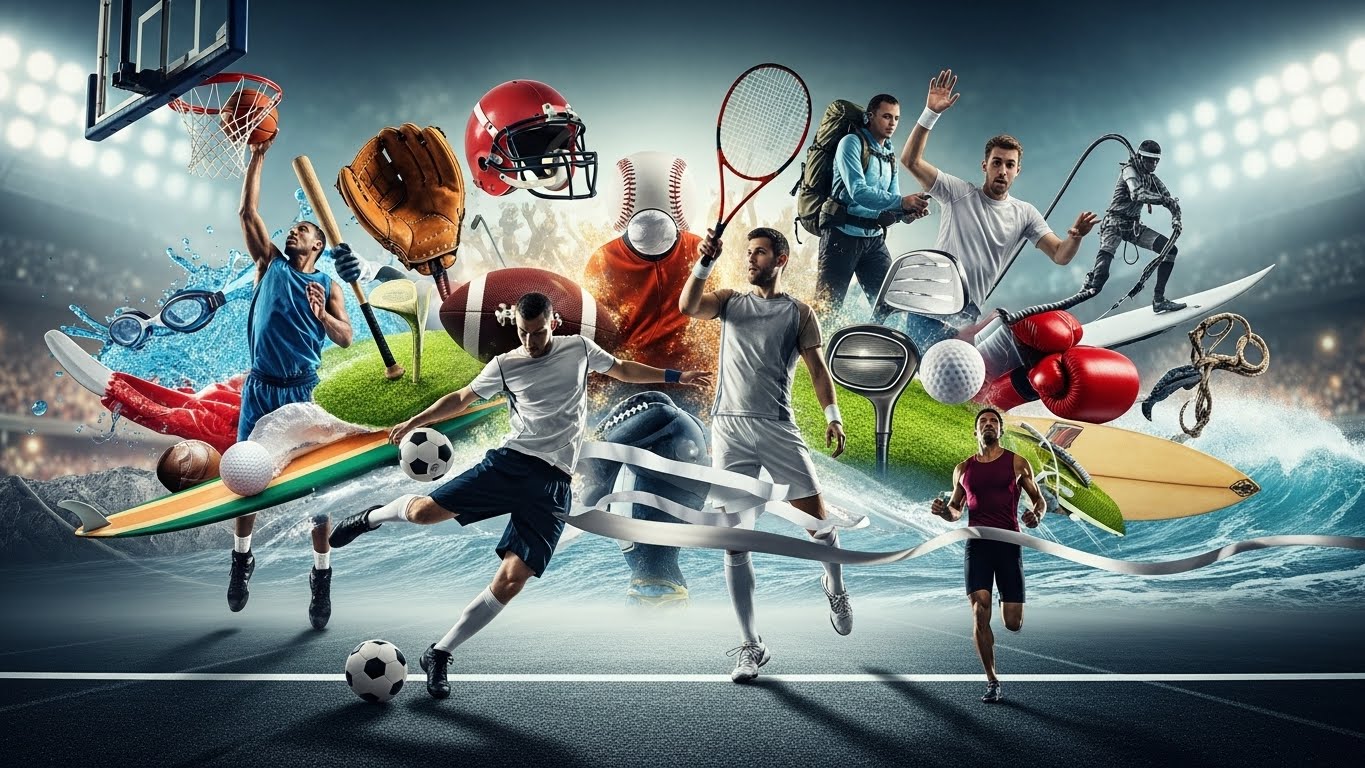
Sports have always been more than just a pastime. From the roar of the crowd in packed stadiums to the quiet moments of personal achievement on a neighborhood field, sports have the power to unite, inspire, and transform. Whether professional or recreational, competitive or leisurely, sports influence our physical health, mental well-being, and social interactions in profound ways. This blog explores the multifaceted impact of sports, examining how they shape individuals, communities, and global cultures. Through this exploration, we will see that sports are not just games—they are reflections of human resilience, teamwork, and ambition.
The Physical Benefits of Sports
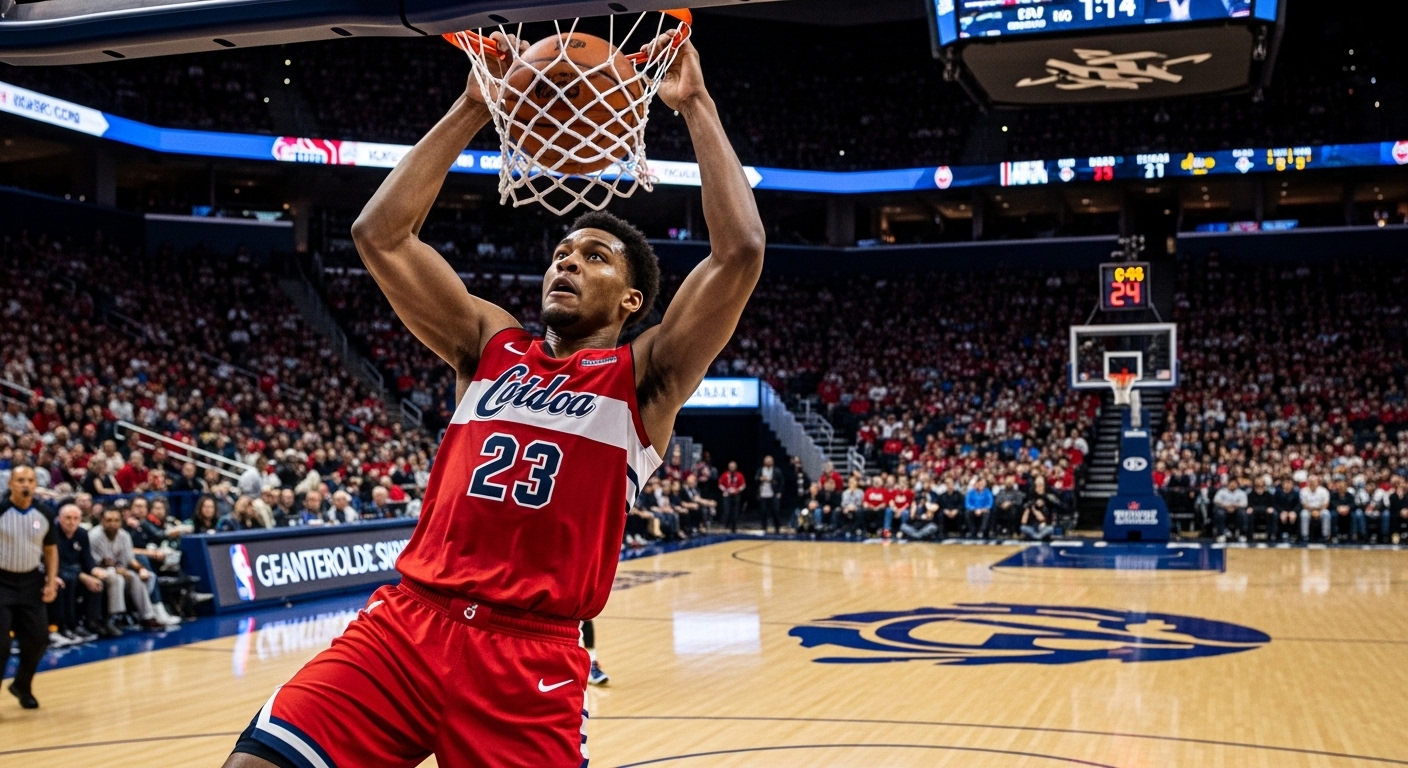
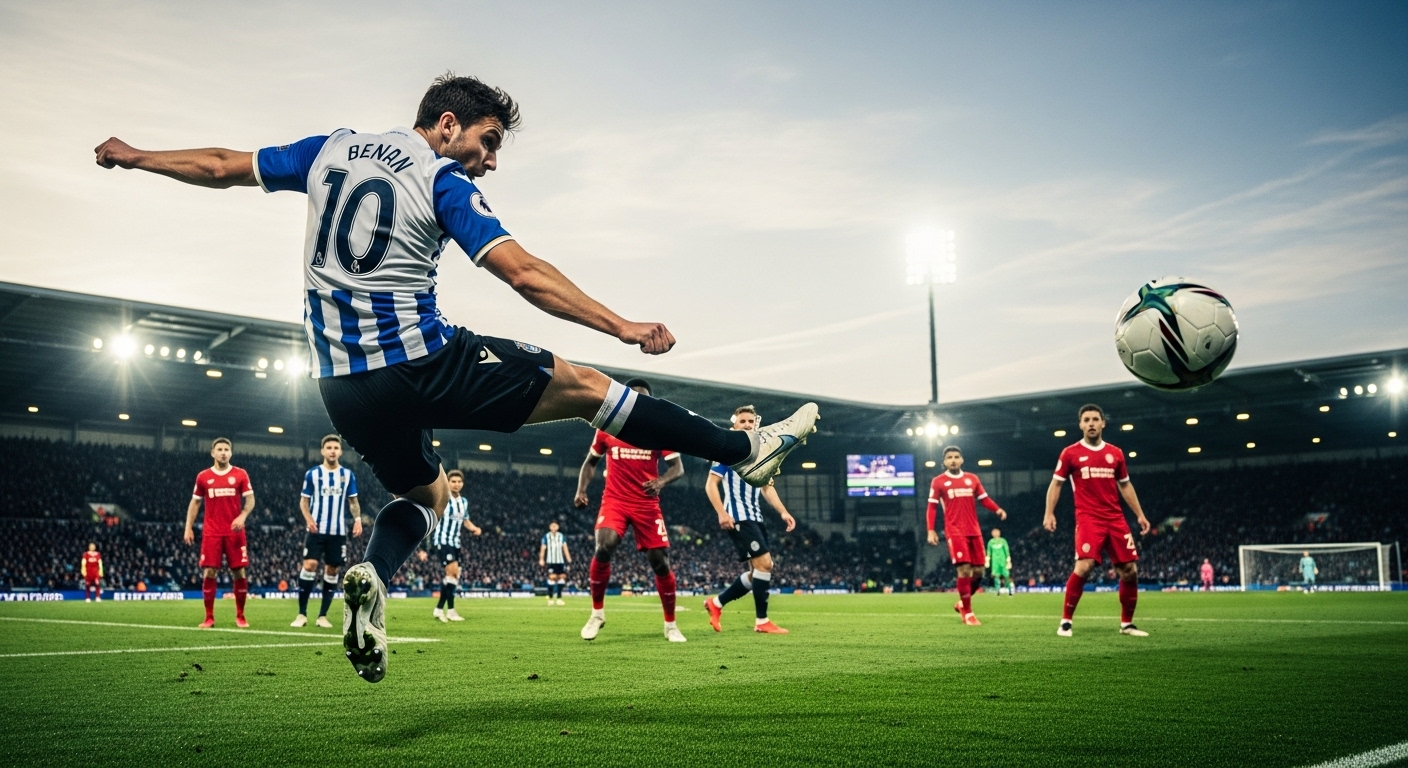
One of the most obvious benefits of sports is the improvement of physical health. Regular participation in physical activities strengthens muscles, improves cardiovascular health, and enhances flexibility and coordination. Sports such as swimming, soccer, basketball, and tennis demand endurance, agility, and strength, fostering overall fitness. Moreover, sports help in managing body weight and preventing chronic diseases such as diabetes, hypertension, and obesity. Beyond physical fitness, consistent engagement in sports encourages a disciplined lifestyle, promoting regular routines and healthy habits that extend beyond the playing field.
Mental Health and Sports
The benefits of sports extend far beyond the physical. Mental health is significantly enhanced through active participation. Engaging in sports releases endorphins, the body’s natural mood boosters, which help reduce stress and anxiety. Activities that demand focus and strategy, like chess, fencing, or gymnastics, improve cognitive function and problem-solving skills. Team sports foster social interaction, building communication skills and emotional intelligence. The sense of achievement from reaching a personal or team goal can boost self-esteem and resilience, equipping individuals to cope with challenges in other areas of life.
Teamwork and Collaboration
Sports are a microcosm of life, teaching lessons about cooperation, communication, and leadership. Team sports like football, cricket, and volleyball require players to understand each other’s strengths and weaknesses, coordinate strategies, and work together to achieve common goals. These lessons extend beyond the field, teaching individuals how to collaborate effectively in workplaces, communities, and families. Moreover, leadership skills emerge naturally through sports, as captains and team leaders learn to motivate, guide, and inspire their teammates, balancing individual ambitions with collective success.
Sports and Character Development
Participation in sports cultivates essential life skills and character traits. Discipline is learned through regular training, practice, and adherence to rules. Patience and perseverance are developed as athletes push through physical and mental challenges. Sports also teach humility, as players learn to handle victories with grace and defeats with dignity. The values instilled by sports—integrity, fairness, responsibility, and commitment—often translate into personal and professional life, shaping well-rounded and principled individuals.
Cultural and Social Impact of Sports
Sports hold a unique place in culture, reflecting and shaping societal values. Globally, events like the Olympics, the World Cup, and international tennis tournaments draw audiences from diverse backgrounds, fostering a sense of shared experience and cultural exchange. Local sports traditions, such as indigenous games, regional cricket leagues, or street basketball tournaments, strengthen community identity and pride. Sports also serve as platforms for social change, offering opportunities to raise awareness about issues such as equality, inclusion, and environmental sustainability. By transcending language and cultural barriers, sports promote unity and empathy across communities.
The Role of Sports in Education
Education and sports share a powerful connection. Schools and universities that integrate sports into their curriculum help students develop both physically and mentally. Participation in school sports improves concentration, discipline, and time management, while fostering social interaction and friendship. Athletic programs often open doors to scholarships, higher education opportunities, and professional careers in sports. Beyond competitive success, school sports teach life skills that are invaluable in adulthood, including teamwork, resilience, and the ability to balance multiple responsibilities effectively.
Sports as a Career Path
For many, sports represent more than a hobby—they are a career. Professional athletes dedicate years of rigorous training to achieve excellence in their chosen field. Careers in sports extend beyond athletes to include coaches, trainers, sports psychologists, referees, and sports journalists, creating a wide network of professional opportunities. The sports industry also drives economic growth through merchandise, broadcasting, sponsorships, and event management. This multifaceted ecosystem demonstrates that sports are not just games—they are a viable career path with the potential for significant societal and personal impact.
Technological Advancements in Sports
Technology has revolutionized how sports are played, coached, and consumed. Wearable devices track performance metrics, helping athletes optimize training and prevent injuries. Video analysis allows coaches to identify areas for improvement and refine strategies. Even fans benefit from innovations such as virtual reality experiences, interactive apps, and instant replays, enhancing engagement and understanding. Technology also plays a crucial role in sports medicine, with advanced diagnostic tools and rehabilitation programs enabling faster recovery and longer athletic careers. These advancements demonstrate that sports continue to evolve in ways that blend tradition with innovation.
Sports and Global Diplomacy
Sports have the power to transcend political, economic, and social divisions. International competitions often bring together nations that may be in conflict, creating a platform for diplomacy, dialogue, and cultural exchange. The concept of “sports diplomacy” demonstrates how athletic events can foster peace, mutual respect, and understanding among diverse populations. For example, historical encounters between rival nations in friendly competitions have sometimes softened tensions and opened avenues for collaboration. This underscores the role of sports not just as entertainment, but as a force for global harmony.
Sports and Mental Resilience
Resilience is a key attribute nurtured by sports. Athletes constantly face setbacks, injuries, and losses that require mental fortitude to overcome. Learning to cope with these challenges builds emotional strength, determination, and adaptability. The lessons of resilience gained on the field often transfer to everyday life, helping individuals handle personal and professional challenges with patience and courage. Moreover, sports encourage a growth mindset, where effort, persistence, and learning from failures are valued more than instant success.
Community Engagement and Grassroots Sports
Grassroots sports programs play a crucial role in community development. Local leagues, neighborhood tournaments, and recreational clubs provide safe and accessible avenues for physical activity, fostering inclusivity and social cohesion. These programs also identify and nurture young talent, providing pathways for future success in competitive sports. Beyond talent development, grassroots sports encourage volunteerism, mentorship, and civic engagement, strengthening the social fabric of communities. The ripple effects of such initiatives are felt in improved health, reduced social isolation, and a sense of belonging for participants.
The Psychology of Competition
Competition is a core element of sports, shaping motivation, focus, and personal growth. Healthy competition encourages individuals to push beyond their limits, set goals, and strive for excellence. It teaches coping mechanisms for pressure, stress, and failure, while fostering camaraderie and respect for opponents. Psychological strategies such as visualization, mindfulness, and goal-setting are often integrated into athletic training, demonstrating how sports cultivate both mental and physical mastery. Understanding the psychology of competition can also inform leadership, teamwork, and personal development outside sports.
The Future of Sports
The landscape of sports is continually evolving. Emerging trends such as eSports, adaptive sports for individuals with disabilities, and virtual reality competitions are redefining what it means to participate in athletics. These innovations make sports more inclusive, accessible, and engaging than ever before. Furthermore, sustainability initiatives in sports—such as eco-friendly stadiums and reduced carbon footprints—reflect a growing awareness of environmental responsibility. The future of sports will likely be shaped by a balance between tradition, innovation, and social responsibility, creating experiences that inspire and connect people across the globe.
Conclusion
Sports are far more than games. They are a powerful force that shapes our bodies, minds, and communities. From promoting physical fitness and mental resilience to fostering cultural exchange and social cohesion, sports impact nearly every aspect of human life. They teach discipline, teamwork, and leadership while offering opportunities for careers, personal growth, and global diplomacy. Whether played on a local field, in a professional stadium, or virtually online, sports inspire passion, dedication, and unity. By understanding the deeper significance of sports, we can appreciate not just the thrill of victory or the agony of defeat, but the enduring lessons they provide for life itself.