
Introduction
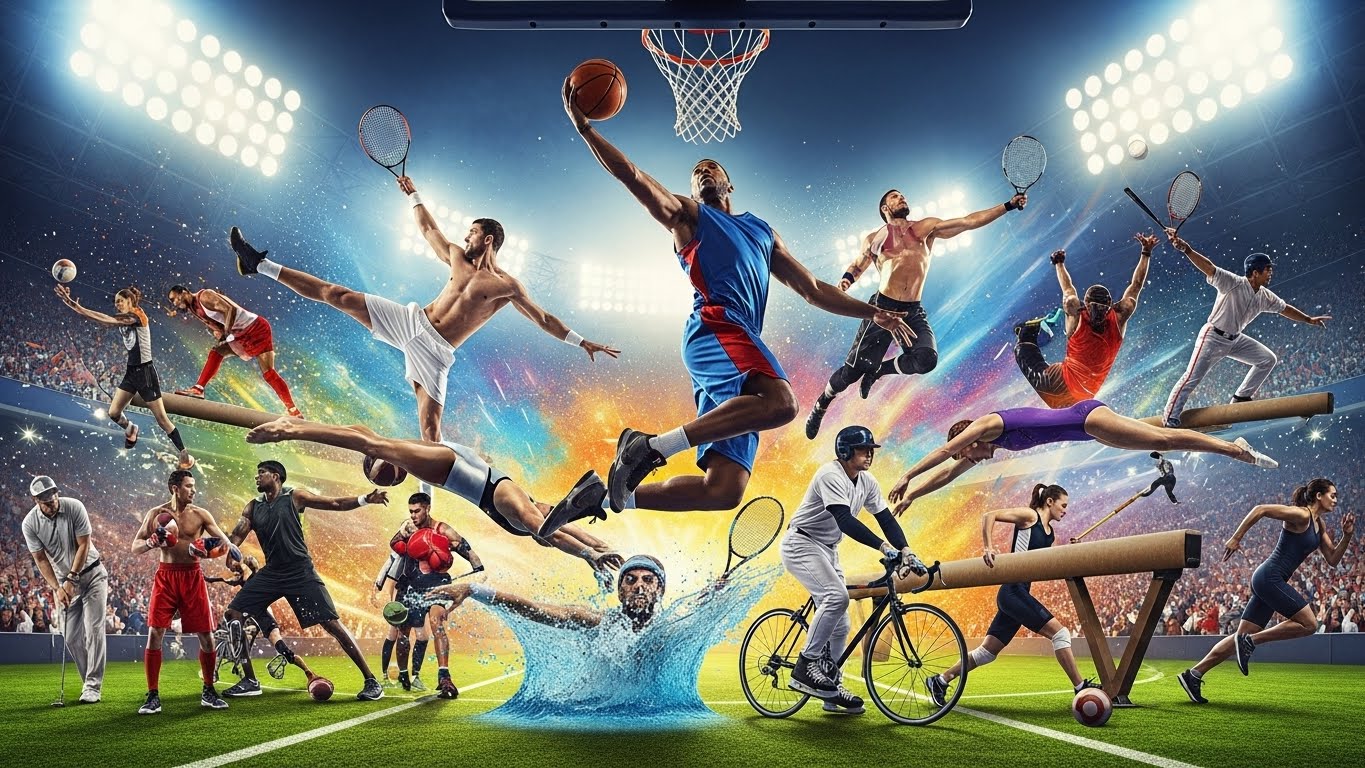
Sports have always been more than games. They are a reflection of society, a source of global unity, a stage for personal triumph, and a powerful driver of culture. From the earliest foot races carved into ancient history to the dazzling arenas of today, sports continue to grow, transform, and influence the lives of millions. In this blog, we explore how modern sports shape our world, inspire communities, and redefine the meaning of excellence.
The Evolution of Sports in the Modern Era
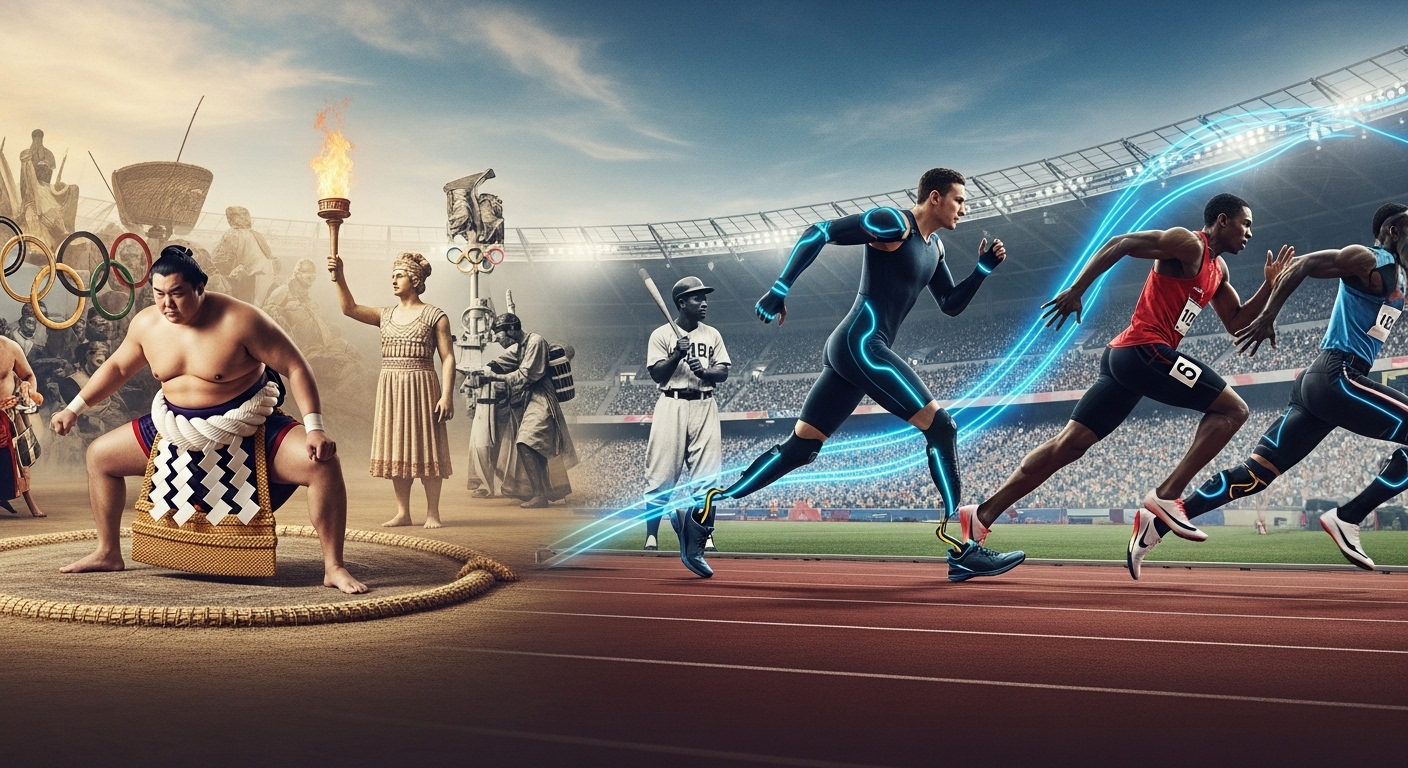
Over the last century, sports have evolved from local recreational activities into massive global industries. What used to be small competitions held in town squares or school fields have now grown into events watched by billions. The rise of television broadcasting, followed by social media and digital streaming, has turned athletes into household names. Sports is no longer confined to a stadium; it reaches every corner of the world instantly.
This evolution did not happen overnight. Advancements in technology, improvements in training methods, and the growing interest in international competitions all played major roles. Today, fans can watch live matches from leagues on the other side of the globe, follow their favorite athletes on personal platforms, and even analyze match statistics with just a few taps on their screens. The modernization of sports has erased borders, creating a shared global passion.
The Power of Sports in Building Community
One of the greatest strengths of sports is its ability to bring people together. Whether it’s cheering for a local team or celebrating a global tournament, fans unite under a common banner. This sense of community is one of the main reasons sports continue to thrive.
Neighborhoods gather around fields and courts, families bond over weekend games, and strangers find connection in shared victories and defeats. Even in times of crisis, sports help uplift spirits and give people hope. After natural disasters or social conflicts, we often see sporting events revive the sense of unity and help communities heal.
Sports clubs and youth camps also play an important role in shaping social values. These environments teach teamwork, discipline, respect, and perseverance. Young athletes learn to handle both success and failure gracefully, preparing them for life beyond the field.
The Rise of Elite Athletes and Global Icons
Athletes today are more than competitors; they are cultural icons. Their influence extends far beyond the field, shaping trends in fashion, lifestyle, social values, and even politics. With social media giving athletes a direct voice, they have the power to inspire change and reach millions with a single message.
What makes an elite athlete iconic is not only their performance but also their personality, work ethic, and connection with fans. The world admires athletes who overcome adversity, break longstanding records, and represent their countries with pride. These individuals become symbols of dedication and success.
However, the rise of elite athletes also brings increasing pressure. Training becomes more intense, schedules more demanding, and public expectations higher. Balancing personal life and professional commitments becomes part of the athletic challenge. Despite this, many athletes thrive under pressure, continuing to push boundaries and redefine greatness.
The Impact of Sports on Health and Wellness
One of the most important contributions of sports is its positive impact on physical and mental health. In an era dominated by digital screens and sedentary lifestyles, sports offer a crucial way to keep the body active and the mind sharp.
Regular participation in sports improves cardiovascular health, builds muscle strength, enhances flexibility, and boosts overall energy levels. For children and teenagers, sports encourage healthy habits that can last a lifetime. Adults and seniors also benefit greatly, as staying active reduces the risk of chronic illnesses.
Beyond physical health, sports play a significant role in mental well-being. Physical activity releases endorphins, which help reduce stress, anxiety, and depression. The emotional support gained from being part of a team or community provides added psychological benefits. For many, sports serve as a safe space to release pressure, build confidence, and find joy.
The Role of Technology in Transforming Sports
Technology has revolutionized nearly every aspect of modern sports. From advanced training tools to instant video replays, the digital era has transformed how athletes perform, how coaches strategize, and how fans experience the game.
Wearable technology tracks heart rate, movement patterns, and physical output. Smart equipment helps athletes improve speed, accuracy, and precision. Video analysis tools allow coaches to break down plays and enhance team performance. Even injury prevention has become more effective thanks to real-time monitoring and predictive analytics.
Fans also enjoy a more immersive experience with high-definition broadcasts, digital commentary, virtual reality replays, and interactive apps. Technology has made sports faster, smarter, and more exciting to watch.
The Economics of Global Sports
Sports today represent one of the largest industries in the world. Stadiums, merchandise, ticket sales, sponsorships, and media rights contribute to a massive economic ecosystem. Major global tournaments generate billions of dollars, fueling tourism, infrastructure development, and job creation.
Cities compete fiercely to host international events because of their economic and cultural benefits. A single major event can transform a city, improving transportation systems, building world-class facilities, and attracting global attention. Even smaller regional leagues support local businesses and create countless opportunities.
However, the business side of sports also raises questions about fairness, commercialization, and accessibility. As budgets grow, so do ticket prices and sponsorship demands. Ensuring that sports remain inclusive for all levels of society remains a key challenge.
Sports as a Platform for Social Change
Sports have the unique ability to influence society on a large scale. Throughout history, athletes have used their platforms to stand for justice, equality, and human rights. Their voices resonate because fans connect deeply with them.
Sports organizations are increasingly aware of their role in promoting positive values. Programs supporting education, mental health, gender equality, and social inclusion are becoming more common. Women’s sports, in particular, are gaining stronger recognition, breaking stereotypes, and inspiring future generations.
When athletes speak out, their messages reach people from all backgrounds. Sports amplify important conversations and encourage society to move toward fairness and unity.
The Future of Sports: Trends to Watch
The future of sports promises even more transformation. Several key trends are shaping the next generation of competition and entertainment.
First, the rise of digital sports and esports is changing how younger audiences engage with competition. Virtual tournaments attract huge audiences and offer new opportunities for sponsorships and careers.
Second, sustainability is becoming a priority. Eco-friendly stadiums, reduced carbon footprints, and responsible event management will shape how games are organized.
Third, sports science will continue to push human performance to new heights. With advanced research in nutrition, recovery, and biomechanics, athletes may break barriers once believed impossible.
Lastly, global participation will increase. More countries are investing in sports development programs, ensuring that talent emerges from every corner of the world.
Conclusion
Sports have shaped human culture for thousands of years, and their influence continues to grow stronger. They inspire us to move, to compete, to connect, and to dream. They bring nations together and remind us of our shared humanity. Whether played on a dusty street, a school field, or a world-class stadium, sports capture the pulse of competition and the spirit of unity.
As we look to the future, one thing is clear: sports will remain a powerful force that shapes our world, challenges our limits, and celebrates the incredible potential within us all.