Introduction: More Than Just Games
Sports are often seen as simple competitions where teams or individuals strive to win. Yet, beneath the surface of goals, points, and medals lies a powerful force that shapes human behavior, social values, and cultural identity. From dusty neighborhood grounds to grand international stadiums, sports influence how people think, feel, and connect with one another. They inspire discipline, unity, resilience, and hope. This blog explores how sports go far beyond entertainment and become a vital part of human life, impacting individuals and societies in deep and lasting ways.
The Universal Language of Sports
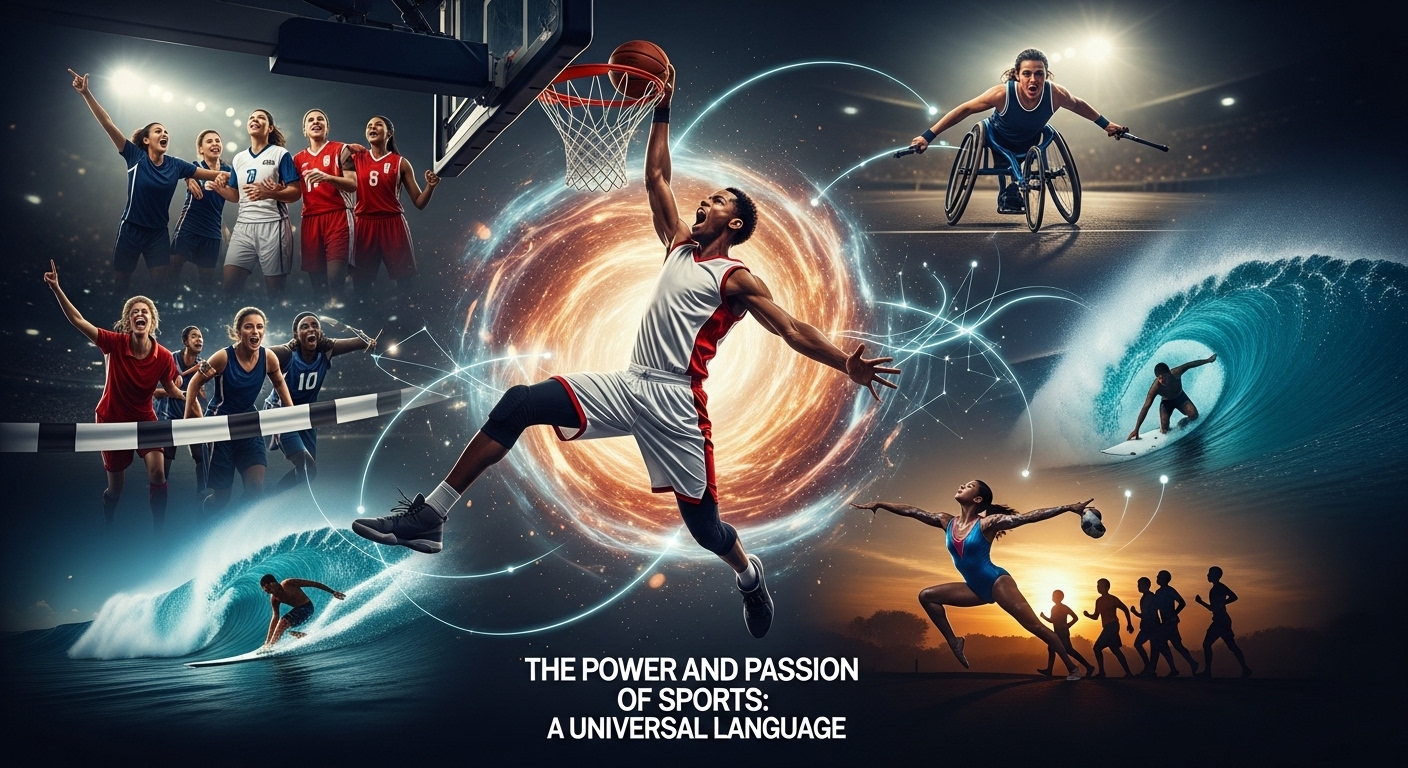
One of the most remarkable qualities of sports is their ability to cross borders. Language, religion, and political differences often divide people, but sports create a shared understanding that needs no translation. A celebration after a goal, the silence before a crucial moment, or the disappointment of defeat are emotions felt equally across cultures. Whether it is football in South America, cricket in South Asia, basketball in North America, or athletics across Africa, sports provide a common ground where people feel connected. This universal nature allows sports to act as a bridge between nations and communities.
Sports and Character Building
Participation in sports plays a crucial role in shaping character. From an early age, athletes learn discipline by following rules and training schedules. They develop patience as progress often comes slowly, through consistent effort. Sports also teach the importance of teamwork, as success usually depends on cooperation rather than individual talent alone. Losing a match helps build emotional strength, teaching players how to handle failure with grace and determination. These lessons extend far beyond the playing field and become valuable life skills in education, careers, and personal relationships.
Physical Health and Mental Wellbeing
The physical benefits of sports are widely recognized. Regular participation improves cardiovascular health, strengthens muscles, and enhances flexibility and coordination. However, the mental health benefits are equally important. Sports help reduce stress by releasing endorphins, which improve mood and lower anxiety. They provide a healthy outlet for emotions and help individuals develop focus and self-confidence. In a world where sedentary lifestyles and mental health challenges are increasing, sports offer a natural and effective way to maintain balance between body and mind.
Sports as a Source of Inspiration
Throughout history, sports have produced stories that inspire millions. Athletes who rise from difficult circumstances to achieve greatness become symbols of hope and perseverance. Their journeys show that talent combined with hard work and belief can overcome obstacles. These stories motivate young people to dream big and work toward their goals, regardless of their background. Even at a local level, a determined player or a dedicated coach can inspire an entire community by demonstrating commitment and passion.
Economic Impact of Sports
Sports also play a significant role in the global and local economy. Professional leagues create employment opportunities for athletes, coaches, medical staff, media professionals, and event organizers. Major sporting events boost tourism, increase business activity, and contribute to infrastructure development. At the grassroots level, sports academies and local tournaments support small businesses and encourage community investment. While commercial aspects sometimes overshadow the spirit of the game, the economic influence of sports cannot be ignored.
The Role of Sports in Education
Educational institutions around the world recognize the importance of sports in student development. School and college sports programs encourage physical fitness while teaching time management and leadership skills. Students who participate in sports often show improved academic performance due to better concentration and discipline. Sports scholarships also provide opportunities for talented individuals who may otherwise struggle to access quality education. In this way, sports serve as a pathway to personal growth and social mobility.
Gender Equality and Sports
Sports have historically been male-dominated, but recent decades have seen significant progress toward gender equality. Female athletes are gaining recognition, breaking records, and challenging stereotypes. Their success inspires girls to participate in sports and believe in their potential. While challenges such as unequal pay and limited media coverage still exist, the growing presence of women in sports is reshaping perceptions and promoting inclusivity. Sports become a platform where talent and determination matter more than gender.
Sports and Community Identity
Local sports teams often represent the pride and identity of a community. Supporting a team creates a sense of belonging and shared purpose. Matches become social events where people gather, celebrate, and sometimes mourn together. This collective experience strengthens social bonds and fosters unity. In times of hardship, sports can provide comfort and distraction, reminding communities of their resilience and shared values.
Ethics, Fair Play, and Responsibility
While sports promote positive values, they also face challenges related to ethics and responsibility. Issues such as cheating, corruption, and excessive commercialization can damage the integrity of sports. Fair play, respect for opponents, and adherence to rules are essential to maintaining the true spirit of competition. Athletes, officials, and fans all share responsibility in upholding these values. When sports are played with honesty and respect, they continue to serve as a powerful force for good.
The Influence of Technology on Sports
Technology has transformed the way sports are played, watched, and analyzed. Advanced training methods, performance tracking, and injury prevention techniques have improved athlete performance and safety. For fans, technology has enhanced viewing experiences and access to information. While these advancements bring benefits, they also raise questions about fairness and the balance between human skill and technological assistance. Managing this balance is crucial to preserving the authenticity of sports.
Sports as a Tool for Social Change
Sports have the unique ability to highlight social issues and encourage positive change. Athletes often use their platforms to speak out on matters such as equality, education, and health awareness. Sporting initiatives can promote peace, inclusion, and development, particularly in disadvantaged communities. By bringing people together around a shared passion, sports can challenge prejudice and inspire collective action toward a better society.
The Future of Sports
As the world continues to evolve, so will sports. Changing lifestyles, environmental concerns, and technological innovation will shape how sports are organized and experienced. There is a growing emphasis on sustainability, mental health awareness, and inclusive participation. The future of sports depends on preserving core values such as fairness, passion, and community while adapting to modern realities. If guided wisely, sports will continue to enrich lives for generations to come.
Conclusion: The Lasting Power of Sports
Sports are far more than competitions with winners and losers. They are a reflection of human ambition, cooperation, and resilience. Through sports, individuals discover their strengths, communities find unity, and societies express their values. Whether played professionally or casually, sports leave a lasting impact on those who participate and those who watch. In celebrating sports, we celebrate the human spirit itself, driven by the desire to strive, connect, and grow beyond limits.