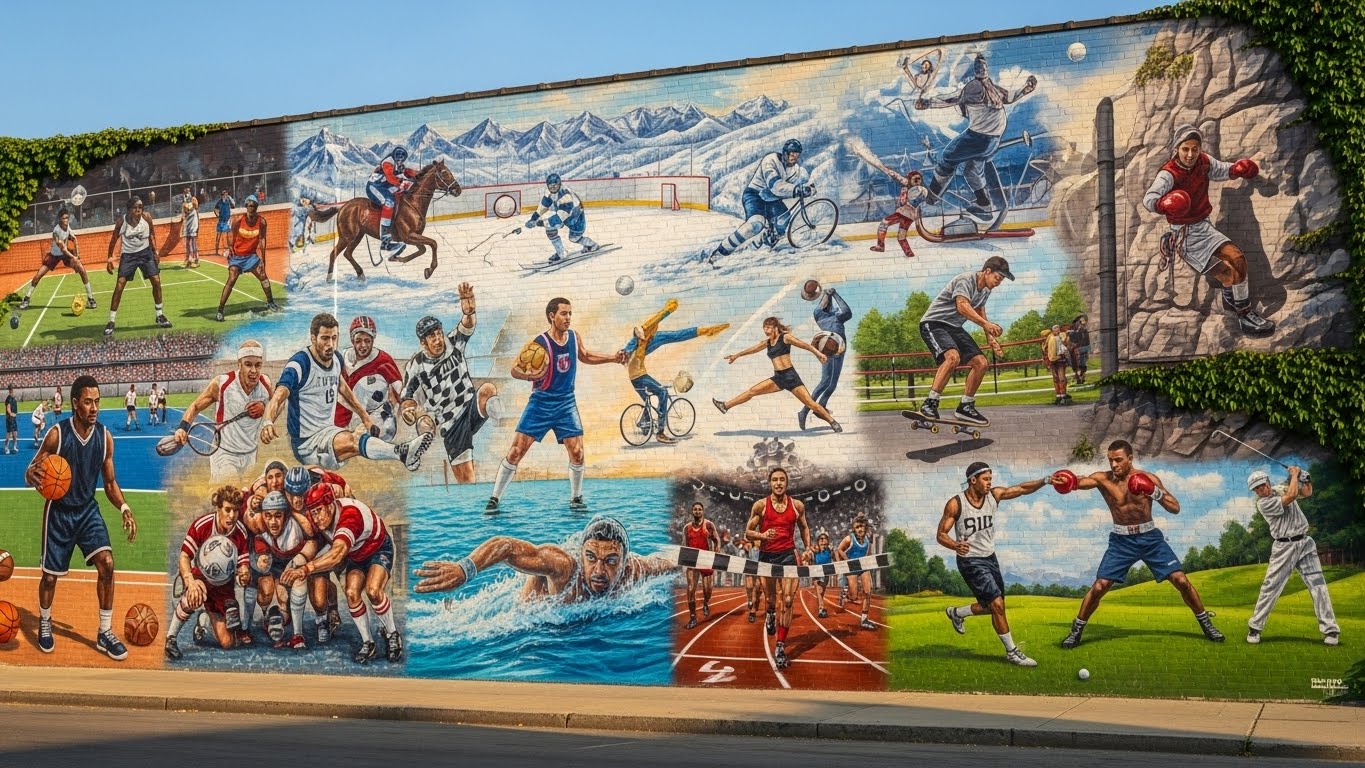
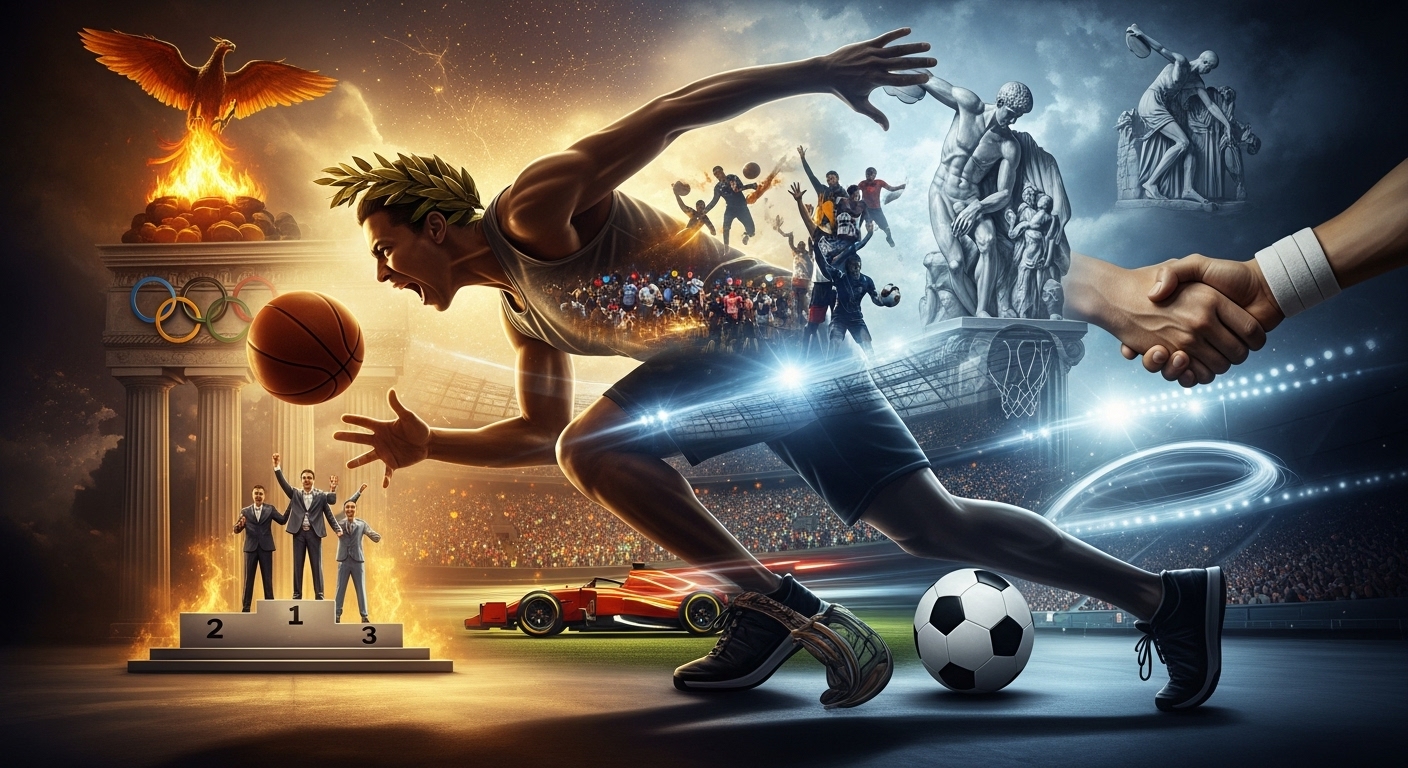
Sports have been an integral part of human civilization for centuries. From ancient competitions in Greece to modern professional leagues, sports have provided a platform for physical expression, competition, teamwork, and even cultural identity. They not only entertain but also shape character, foster discipline, and connect communities across the globe. In this blog, we explore the fascinating realm of sports, covering various aspects, from history to modern developments, across multiple disciplines.
The Historical Evolution of Sports
Sports, in their earliest forms, were closely tied to survival and cultural rituals. Ancient civilizations often incorporated physical contests to prepare young warriors for battle or to honor gods. For instance, the Greeks developed the Olympic Games in 776 BCE, a series of competitions in running, wrestling, and other athletic feats held in Olympia to honor Zeus.
Similarly, ancient China had martial arts competitions and archery contests, while the Mayans engaged in ball games that were highly ceremonial. These early forms of sports emphasized not only physical ability but also strategy, mental toughness, and community involvement.
As societies evolved, sports became more organized and codified. The Middle Ages saw the emergence of jousting tournaments and archery competitions in Europe. By the 19th century, sports such as cricket, football, and tennis began to formalize with standardized rules, leagues, and clubs, setting the stage for the global sports culture we know today.
The Role of Sports in Society
Sports play a crucial role in society beyond mere entertainment. They promote health and well-being, encourage social interaction, and foster unity. Participating in sports can improve cardiovascular health, strength, flexibility, and mental resilience. At the same time, watching sports creates shared experiences that bridge cultural and social divides.
In schools, sports are essential for developing teamwork, leadership, and discipline. Young athletes learn to handle both victory and defeat gracefully, a skill that translates to personal and professional life. On a larger scale, sports can serve as a diplomatic tool, with events like the Olympics fostering global cooperation and peace, even amid political tensions.
Moreover, sports are a powerful economic engine. Professional leagues generate billions in revenue through ticket sales, merchandise, broadcasting rights, and sponsorships. Cities often invest heavily in stadiums and sports infrastructure, recognizing the social and economic impact of sports events.
Popular Sports Around the World
Football (Soccer)
Football, known as soccer in some countries, is the most popular sport worldwide. Its simplicity—a ball and a field—makes it accessible to virtually anyone, anywhere. Major tournaments like the FIFA World Cup captivate billions of fans and have become cultural phenomena. Football players like Pelé, Lionel Messi, and Cristiano Ronaldo have become global icons, inspiring countless aspiring athletes.
The sport is celebrated for its skill, strategy, and unpredictable excitement. Teams from different nations and leagues demonstrate diverse playing styles, reflecting cultural nuances. For example, Brazilian football emphasizes flair and creativity, while European teams often showcase tactical discipline and physical endurance.
Basketball
Basketball, invented by Dr. James Naismith in 1891, has grown into a global sport loved for its fast pace and high scoring. The NBA, the premier professional league, has produced legends like Michael Jordan, LeBron James, and Kobe Bryant, whose influence transcends the sport itself.
Basketball is played in both indoor and outdoor settings, making it accessible to urban and rural communities alike. The sport emphasizes agility, coordination, teamwork, and strategic thinking. Street basketball culture, particularly in the United States, has also given rise to vibrant community identities and global fashion trends.
Cricket
Cricket holds a special place in countries like India, Pakistan, Australia, and England. Known for its intricate rules and varying formats—Test matches, One Day Internationals, and T20—the sport demands patience, concentration, and skill. Legendary players such as Sachin Tendulkar, Shane Warne, and Jacques Kallis have left indelible marks on the sport.
Cricket’s unique charm lies in its ability to blend strategy with moments of explosive action. Test matches, which last up to five days, test players’ endurance and mental fortitude, while T20 cricket offers high-energy entertainment suitable for mass audiences. The sport also fosters intense national pride, often sparking historic rivalries that unite and engage millions of fans.
Tennis
Tennis is celebrated for its elegance, precision, and mental toughness. From the grass courts of Wimbledon to the clay of Roland Garros, the sport tests speed, accuracy, and endurance. Legends like Serena Williams, Roger Federer, Rafael Nadal, and Novak Djokovic have defined eras with their skill, determination, and charisma.
The sport also emphasizes individual excellence, as players face opponents one-on-one or in doubles matches. Tennis demands not only physical agility but also strategic thinking, as players anticipate opponents’ moves and adapt their tactics mid-game. The sport’s global reach ensures that fans can enjoy elite tournaments in virtually every corner of the world.
Athletics
Athletics, often regarded as the foundation of modern sports, includes running, jumping, throwing, and combined events. Track and field competitions showcase the raw physical capabilities of humans, emphasizing speed, strength, and coordination. Events like the 100-meter sprint, marathon, long jump, and javelin throw continue to capture global attention.
Athletics is also central to the Olympics, highlighting the universality of sport. Records set in athletics are celebrated worldwide, inspiring new generations to push the limits of human potential. Beyond competition, athletics plays a vital role in promoting fitness and a healthy lifestyle at the grassroots level.
Emerging Sports and Trends
While traditional sports dominate, new sports and trends are constantly emerging. Extreme sports like skateboarding, rock climbing, and surfing appeal to thrill-seekers and adventure enthusiasts. Similarly, eSports, or competitive video gaming, has grown into a global phenomenon, combining strategy, skill, and entertainment in virtual arenas.
These modern trends reflect changing societal interests, technological advancements, and the desire for diverse forms of competition. They also highlight how sports can adapt to cultural shifts, maintaining relevance across generations.
Women in Sports
The role of women in sports has evolved significantly over the past century. Initially, opportunities for women were limited due to societal norms, but perseverance and advocacy have led to remarkable progress. Today, female athletes compete at elite levels in nearly every sport, inspiring millions.
Events like the FIFA Women’s World Cup, Women’s Tennis Association tournaments, and the Olympic Games showcase the talent and dedication of female athletes. Icons such as Serena Williams, Simone Biles, and Megan Rapinoe have not only excelled in their respective sports but also advocated for gender equality, fair pay, and social change.
Promoting women in sports is not just about representation; it encourages participation, challenges stereotypes, and fosters inclusivity. Programs aimed at youth, especially in underserved regions, continue to expand opportunities for young girls, ensuring a more equitable future in sports.
The Science and Technology of Sports
Modern sports are increasingly shaped by science and technology. Performance analytics, wearable devices, and biomechanical studies allow athletes to optimize training, prevent injuries, and enhance performance. Coaches and sports scientists analyze metrics such as heart rate, sprint speed, and shooting accuracy to develop tailored strategies.
Advancements in equipment and facilities have also transformed sports. High-tech running shoes, carbon-fiber bicycles, and specialized playing surfaces enhance safety, performance, and spectator experience. Even refereeing has evolved, with technologies like video assistant referees (VAR) in football and Hawk-Eye in tennis ensuring fair play and accuracy.
Mental Strength and Sports Psychology
Athletic success is not determined solely by physical prowess; mental strength is equally crucial. Sports psychology examines how athletes handle stress, maintain focus, and build confidence. Techniques such as visualization, goal setting, and mindfulness are commonly employed to enhance performance.
Many elite athletes credit mental preparation as the key to consistent success. Overcoming pressure, dealing with setbacks, and maintaining motivation require resilience and emotional intelligence. By understanding the psychological aspects of sports, athletes can achieve peak performance while safeguarding mental health.
Iconic Sports Moments That Shaped History
Sports have given rise to unforgettable moments that transcend time. Jesse Owens’ triumph in the 1936 Berlin Olympics challenged racial prejudices, while the Miracle on Ice at the 1980 Winter Olympics united a nation during the Cold War. Muhammad Ali’s boxing matches became emblematic of social activism, courage, and showmanship.
These moments highlight how sports can influence culture, politics, and society. They demonstrate that beyond records and medals, sports have the power to inspire, unite, and leave lasting legacies.
The Future of Sports
The future of sports is promising, marked by innovation, inclusivity, and global connectivity. Virtual reality and augmented reality may redefine fan experiences, offering immersive perspectives on games and competitions. Sustainability is also becoming a priority, with eco-friendly stadiums, equipment, and event management practices gaining attention.
Inclusivity will continue to expand, with adaptive sports for athletes with disabilities and programs for underrepresented communities. The growing influence of social media ensures that athletes can engage with fans directly, while data analytics and AI will continue to refine training and strategy.
Ultimately, sports will remain a reflection of human creativity, determination, and passion, evolving alongside society while preserving the timeless joy of competition and teamwork.
Conclusion
Sports are far more than games; they are a reflection of human ambition, resilience, and unity. From ancient traditions to modern professional leagues, sports shape our cultures, societies, and individual lives. They teach discipline, foster community, inspire greatness, and provide a platform for personal and collective achievement.
Whether it is the thrill of a last-minute goal, the elegance of a tennis serve, or the courage of an athlete overcoming adversity, sports captivate hearts worldwide. As we look to the future, the universal language of sports will continue to connect people, break barriers, and celebrate the extraordinary potential within us all.