Introduction: The Universal Power of Sports
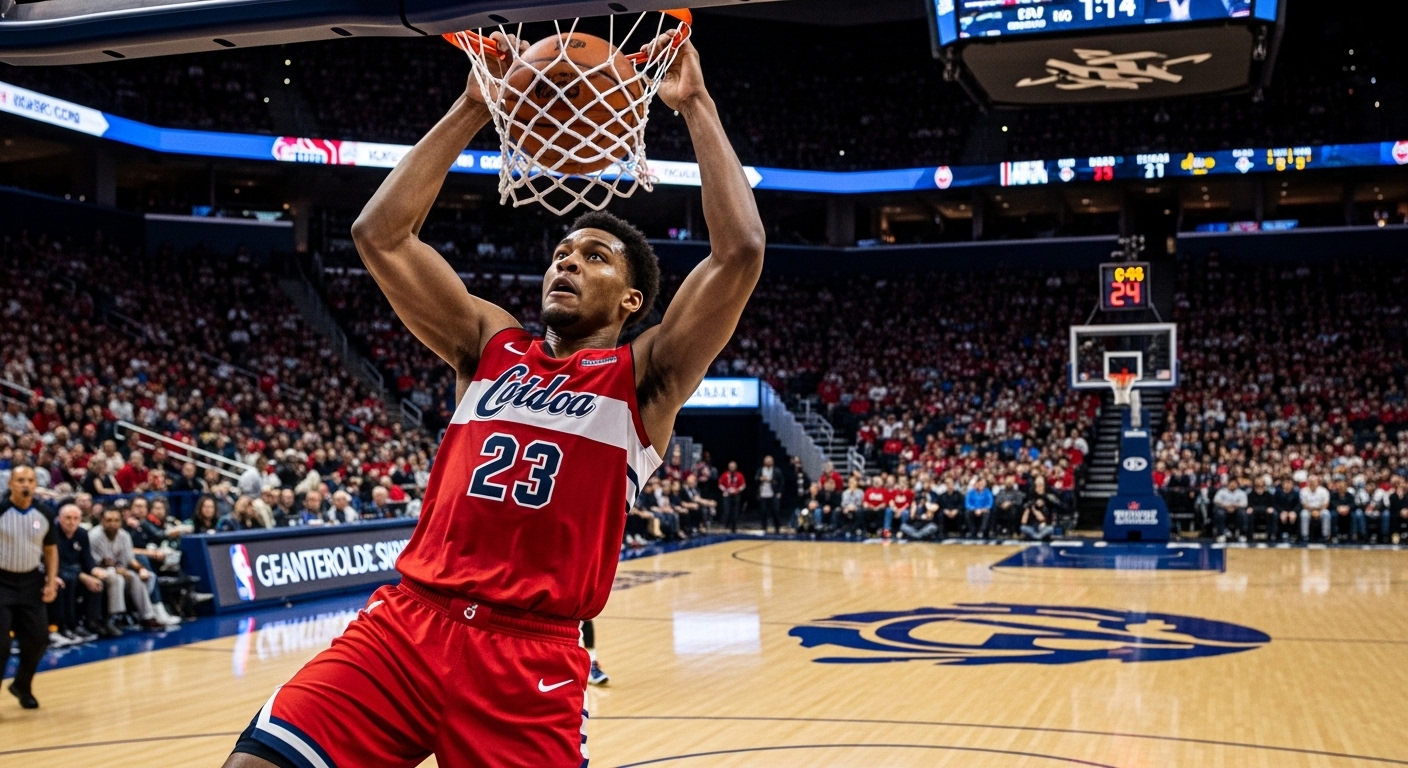
Sports have been an essential part of human culture for centuries. From ancient athletic contests to modern global tournaments, sports captivate audiences, inspire athletes, and connect communities. They are more than games; they are reflections of society, vehicles for personal growth, and sources of entertainment, pride, and unity.
Sports influence culture, shape identity, and teach essential life skills such as discipline, perseverance, and teamwork. They are a mirror of human ambition, showcasing physical prowess, mental resilience, and the desire to excel. This blog explores the multifaceted world of sports, highlighting their history, cultural impact, health benefits, and role in shaping society.
The Historical Evolution of Sports
Sports have deep historical roots, dating back thousands of years. Ancient civilizations used physical contests to train warriors, entertain communities, and celebrate religious and cultural events. The Olympic Games of Ancient Greece exemplified the combination of athletic excellence, competition, and social ritual. Similar contests existed in China, Egypt, and the Americas, where games tested strength, skill, and endurance.
As societies evolved, sports became more structured and codified. The 19th century marked the emergence of modern team sports with standardized rules, including soccer, cricket, and rugby. These early developments laid the foundation for organized leagues, tournaments, and international competitions, creating a framework for contemporary sports culture.
Globalization of Sports
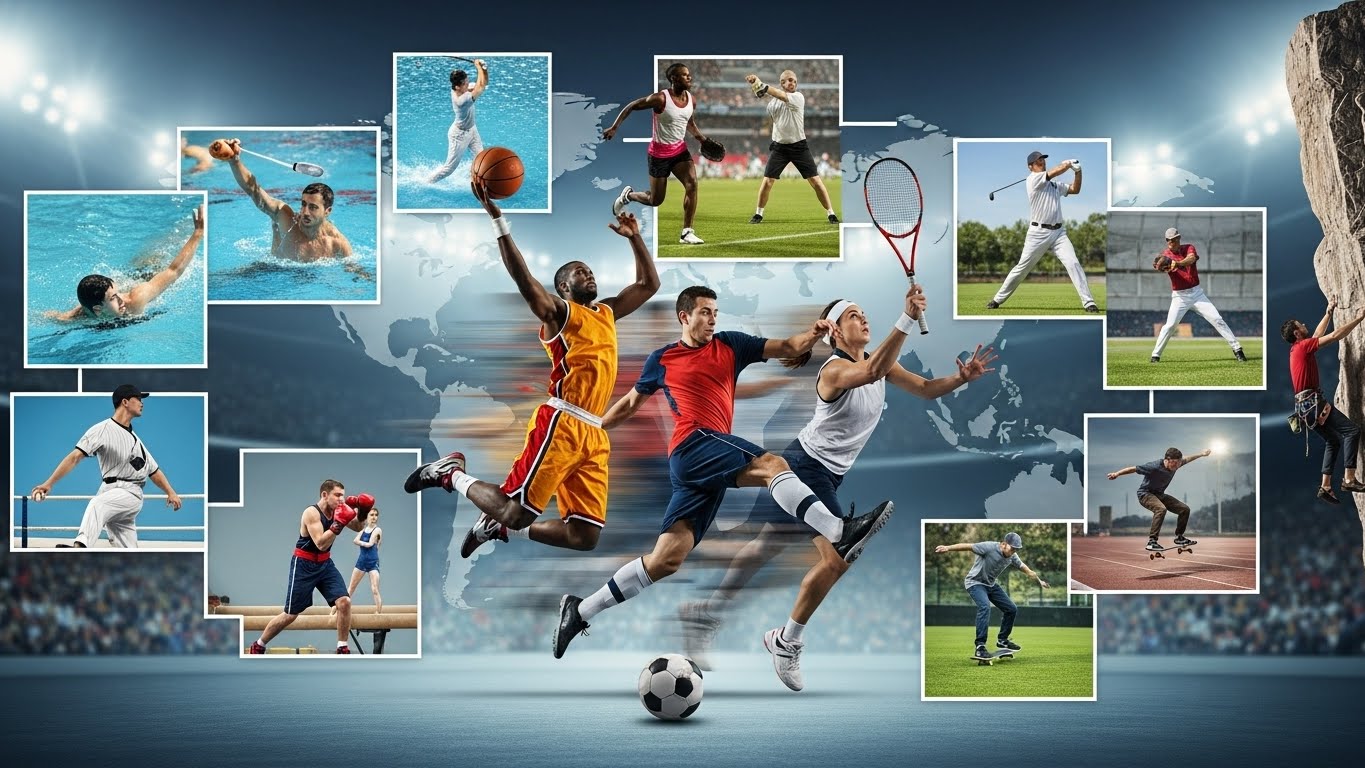
Modern sports have become a global phenomenon. Events like the Olympics, FIFA World Cup, and international athletics competitions transcend national boundaries, bringing people together in shared celebration of talent and achievement. Athletes become cultural ambassadors, and fans connect across continents, creating a universal language of competition.
Advances in technology and media have further fueled this globalization. Live broadcasts, online streaming, and social media allow fans to follow games in real-time, interact with athletes, and participate in global sports communities. Sports have become a tool for cultural exchange, diplomacy, and international unity.
Sports as a Cultural Force
Sports are a reflection of societal values and cultural identity. Local teams, regional competitions, and national athletes foster community pride and unity. Iconic moments in sports history become part of collective memory, celebrated through media, storytelling, and social discourse.
Sports influence art, fashion, and popular culture. Athletic apparel has evolved into mainstream fashion, while sports heroes inspire films, music, and literature. The narratives around perseverance, teamwork, and triumph resonate beyond the field, shaping the cultural fabric of societies.
Team Sports and Collaboration
Team sports such as soccer, basketball, volleyball, and rugby emphasize cooperation and communication. Success depends not only on individual skill but also on coordination, strategy, and trust among teammates. Players learn to anticipate one another’s actions, adapt strategies dynamically, and pursue collective goals.
The lessons from team sports extend to everyday life. They foster leadership, empathy, problem-solving, and the ability to work effectively within groups. Team sports teach the value of collaboration and demonstrate that shared effort often leads to greater achievement than individual endeavor alone.
Individual Sports and Personal Growth
Individual sports like tennis, athletics, swimming, and gymnastics focus on self-discipline, mental resilience, and personal mastery. Athletes take full responsibility for training, performance, and mental preparation, which nurtures independence and perseverance.
These sports provide unique opportunities for personal development. Athletes learn goal-setting, focus, and how to cope with pressure. Failures and setbacks become lessons, teaching patience, adaptability, and determination. Individual sports cultivate confidence and a sense of personal achievement that extends beyond the competitive arena.
Health Benefits of Sports
Engaging in sports has extensive physical and mental health benefits. Physically, sports improve cardiovascular health, muscular strength, flexibility, and coordination. Regular participation reduces the risk of chronic illnesses, supports weight management, and enhances overall fitness.
Mentally, sports reduce stress, anxiety, and depression. Physical activity releases endorphins, improving mood and cognitive function. Sports also encourage discipline, routine, and focus, which contribute to better sleep and emotional regulation. Overall, sports foster holistic well-being, supporting both body and mind.
Youth Sports and Skill Development
Participation in sports during childhood and adolescence is crucial for personal and social development. Youth sports programs teach teamwork, fair play, leadership, and resilience. They provide a structured environment for learning, growth, and physical activity.
Engagement in sports also builds confidence, social skills, and the ability to manage challenges. Mentorship from coaches and interactions with peers create positive role models and encourage the development of lifelong healthy habits. Youth sports serve as a foundation for personal growth, self-expression, and future success.
Technology in Sports
Technology has transformed both the playing and viewing of sports. Wearable devices monitor biometrics, track performance, and optimize training. Data analytics and video review allow coaches to analyze strategies, refine techniques, and improve outcomes.
Fan engagement has also been enhanced. Live streaming, virtual reality experiences, and interactive apps bring audiences closer to the action. Social media allows fans to interact with players, teams, and fellow supporters, creating immersive and participatory sports experiences.
Sports and Entertainment
Sports blur the line between competition and entertainment. Spectacular moments, dramatic rivalries, and record-breaking performances captivate audiences worldwide. Sporting events are now multimedia spectacles, complete with pregame shows, halftime entertainment, and fan experiences.
Athletes become public figures, influencing trends, inspiring fans, and shaping cultural narratives. Sports entertainment attracts new audiences, enhances media coverage, and generates economic opportunities through sponsorships, advertising, and merchandise.
Women in Sports
Women’s sports have made significant strides in recent decades. Female athletes have gained visibility, professional opportunities, and recognition on international stages. Women’s participation in sports challenges stereotypes, promotes gender equality, and encourages inclusivity.
Investment in women’s sports, through leagues, tournaments, and sponsorship, continues to grow. Celebrating female athletes’ achievements inspires future generations and ensures that sports remain diverse, representative, and accessible to all.
Sportsmanship and Ethics
Sportsmanship is fundamental to the integrity of sports. Fair play, respect for opponents, humility in victory, and grace in defeat define ethical conduct. Athletes who embody these values become role models, demonstrating that character is as important as performance.
Ethical practices in sports maintain trust, fairness, and positive experiences for participants and fans. Lessons in ethics extend beyond the field, influencing personal behavior, professional interactions, and community engagement.
Economic Impact of Sports
Sports contribute significantly to local and global economies. Major events generate revenue through ticket sales, merchandise, broadcasting rights, and sponsorships. Local economies benefit from tourism, hospitality, and event-related employment.
Professional sports leagues and tournaments also create business opportunities in marketing, media production, and sports management. Beyond financial contributions, sports encourage community engagement, foster healthy lifestyles, and inspire youth participation, demonstrating their broader societal value.
The Future of Sports
The future of sports promises innovation and expansion. Emerging technologies like virtual reality, augmented reality, and artificial intelligence are enhancing training, strategy, and fan experiences. Esports and virtual competitions are redefining sports, attracting younger audiences and expanding the definition of athletic achievement.
Sustainability will shape the future of sports as well. Eco-friendly stadiums, responsible event management, and reduced carbon footprints are becoming standard practices. Inclusivity, technology integration, and environmental consciousness ensure that sports will continue to thrive in a changing world.
Conclusion: Sports as a Lifelong Influence
Sports are far more than games—they are reflections of human ambition, culture, and community. They teach resilience, discipline, teamwork, and ethical conduct, while providing joy, entertainment, and inspiration. Sports shape individuals, communities, and societies, offering lessons that extend beyond the field.
From youth leagues to professional tournaments, from local communities to international arenas, sports continue to unite, motivate, and entertain. They celebrate human potential, encourage collaboration, and provide a platform for achievement, pride, and personal growth. Sports are not merely activities—they are lifelong journeys that influence lives, cultures, and the world itself.