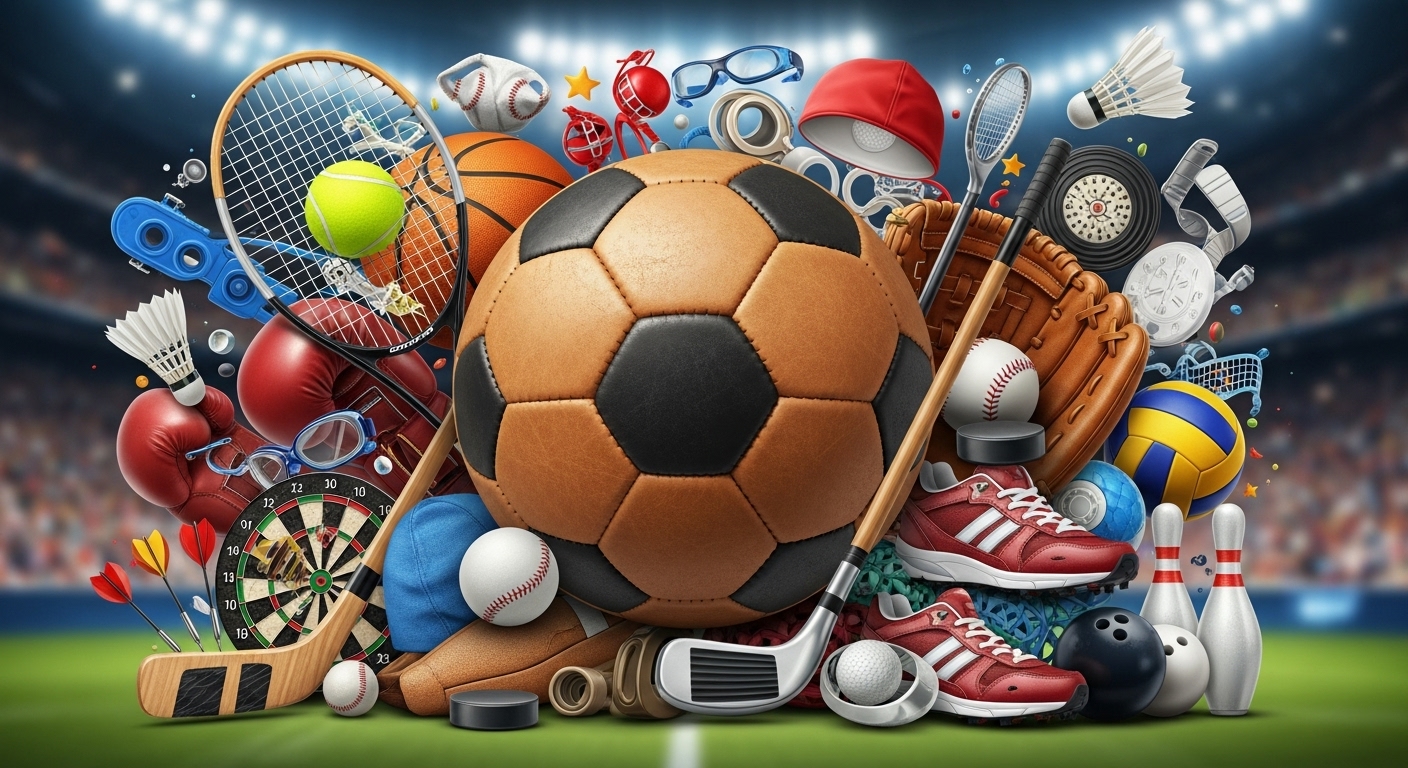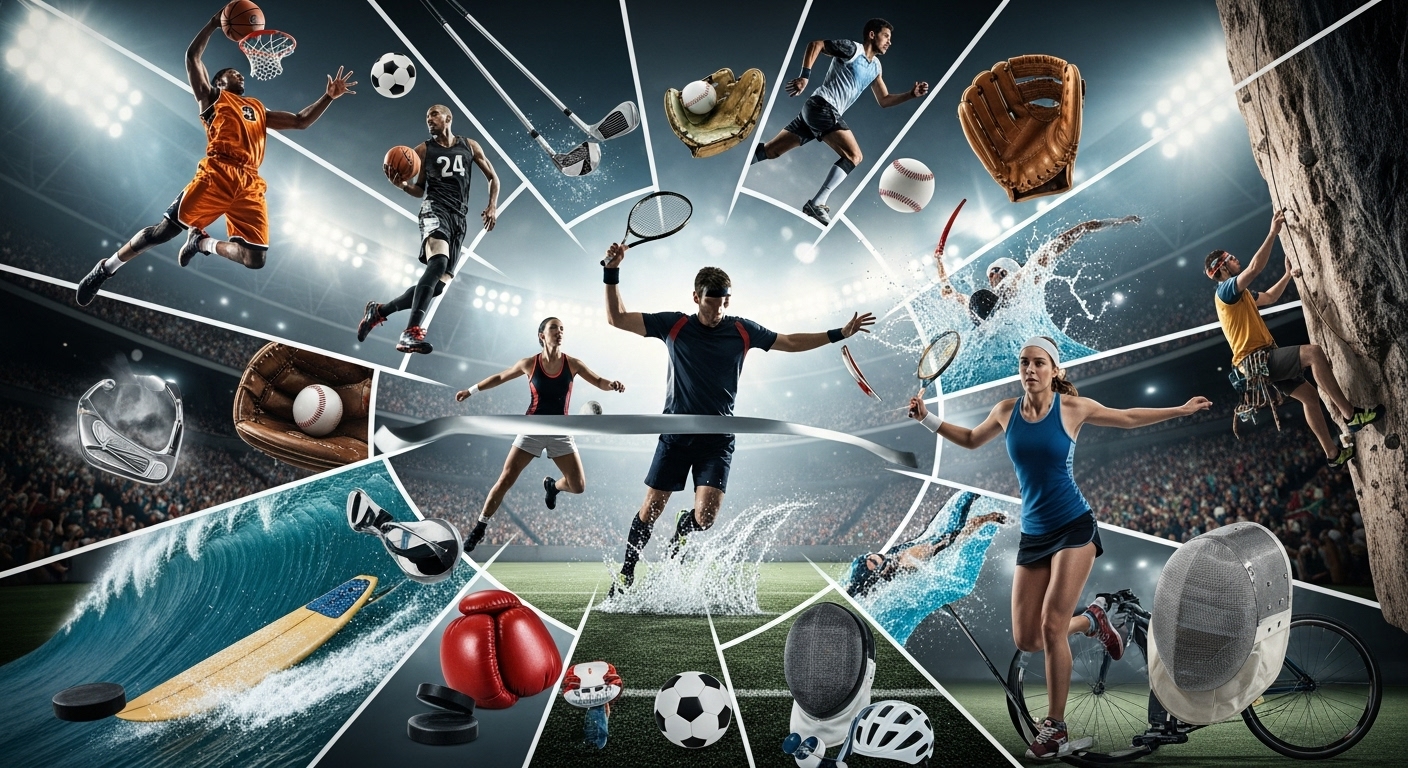
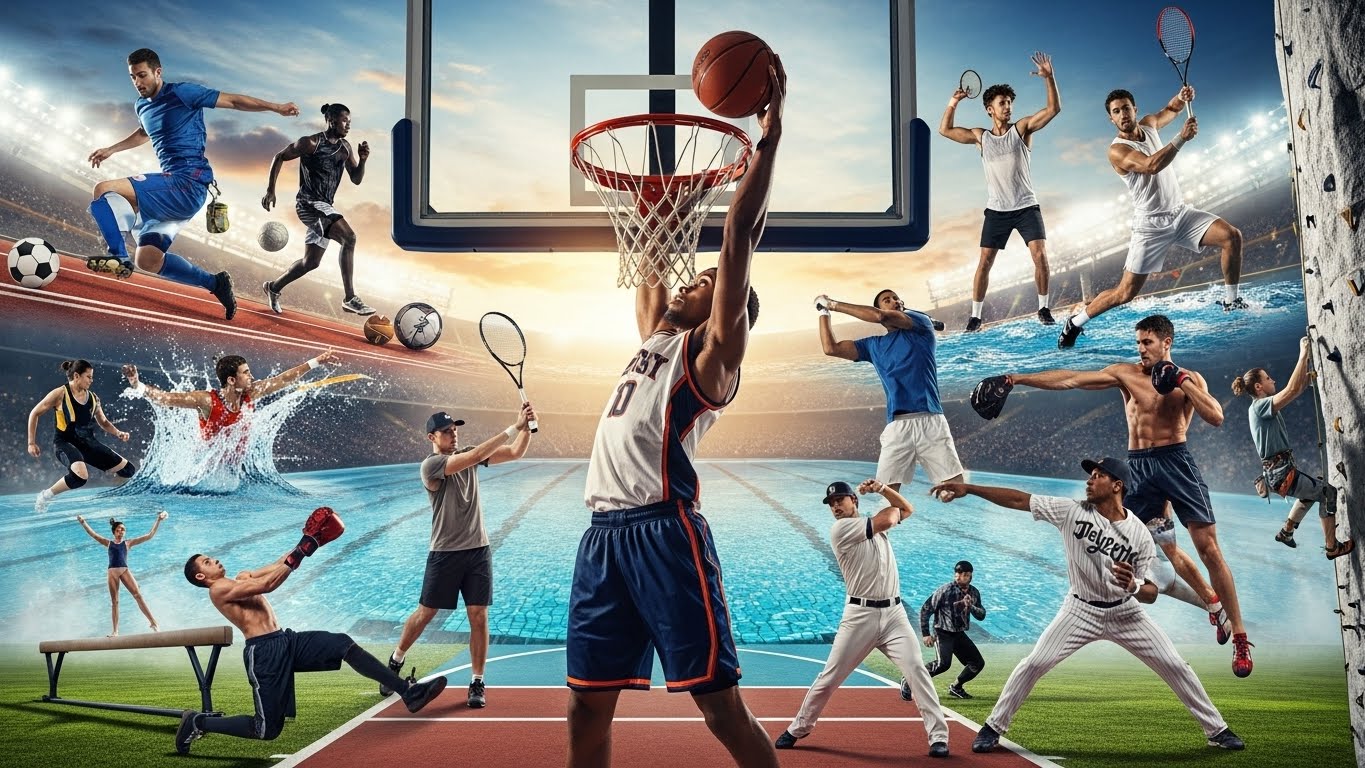
Introduction: The Universal Language of Sports
Sports have been a part of human civilization for centuries, transcending boundaries of culture, geography, and language. From the ancient Olympic Games in Greece to modern-day global competitions, sports have always played a crucial role in shaping human experiences. They are not merely physical activities; they are a reflection of discipline, teamwork, and resilience. The thrill of victory and the lessons in defeat teach values that extend far beyond the field. Whether it’s an amateur playing in a local league or a professional athlete on the world stage, sports influence our lives in unique and profound ways.
The Physical and Mental Benefits of Playing Sports
Engaging in sports goes beyond physical fitness; it contributes significantly to mental well-being. Regular physical activity strengthens the heart, muscles, and bones while improving coordination and flexibility. But the benefits of sports are not confined to the body. Participating in sports has been shown to reduce stress, alleviate anxiety, and boost mood. The mental focus required in competitive settings enhances cognitive skills such as strategic thinking, decision-making, and problem-solving. Sports also instill discipline and time management, as athletes must balance rigorous training schedules with personal and professional responsibilities. In essence, sports create a holistic environment for personal growth.
Team Sports: Building Collaboration and Leadership
Team sports such as football, basketball, and cricket go beyond individual performance. They foster collaboration, communication, and leadership. Working as part of a team teaches individuals how to navigate conflicts, share responsibilities, and celebrate collective achievements. Leadership emerges naturally as players take initiative, motivate their teammates, and make critical decisions during high-pressure moments. Team sports create a sense of belonging and community, forging lifelong friendships. The lessons learned in team dynamics often translate into professional and personal life, making individuals more adaptable, empathetic, and effective in group settings.
Individual Sports: Cultivating Self-Discipline and Inner Strength
While team sports emphasize collaboration, individual sports like tennis, swimming, and gymnastics focus on personal accountability and self-discipline. Athletes in individual sports are responsible for their own performance, which requires intense concentration, perseverance, and mental fortitude. The journey of self-improvement, setting personal goals, and overcoming failures cultivates resilience and confidence. These sports teach individuals that success is a combination of dedication, strategic planning, and the willingness to push beyond comfort zones. The sense of accomplishment gained from personal milestones reinforces self-esteem and motivation.
Sports and Cultural Identity
Sports play a significant role in shaping cultural identity and national pride. They act as a unifying force, bringing together people from diverse backgrounds to celebrate shared passions. Major sporting events like the Olympics or World Cup transcend political and social differences, fostering a sense of global community. Local and traditional sports preserve cultural heritage, offering a window into the customs and values of a society. For example, martial arts in Asia, traditional wrestling in Africa, and indigenous games in the Americas reflect centuries of history and cultural significance. Engaging with these sports allows individuals to connect with their roots while promoting cross-cultural understanding.
The Role of Sports in Education
Incorporating sports into education is essential for nurturing well-rounded individuals. Schools and colleges that prioritize physical education provide students with opportunities to develop physical, mental, and social skills. Sports teach students the importance of hard work, persistence, and ethical behavior. They also help in building emotional intelligence by teaching how to handle success and failure gracefully. Participation in school-level competitions instills confidence, improves communication skills, and encourages a sense of responsibility. Furthermore, educational institutions that support sports programs often see improved academic performance, as physical activity boosts focus, memory, and overall cognitive function.
The Economic Impact of Sports
Sports are not just a pastime; they are a multi-billion-dollar industry that contributes significantly to the global economy. From ticket sales and sponsorship deals to broadcasting rights and merchandise, sports generate employment and drive economic growth. Major sporting events attract tourism, boost local businesses, and enhance infrastructure development. Additionally, professional athletes and sports-related enterprises create opportunities for entrepreneurship, marketing, and media ventures. The economic impact of sports extends beyond revenue generation; it fosters innovation, creates jobs, and improves the quality of life for communities involved in or benefiting from sporting activities.
Sports as a Tool for Social Change
Sports have long been a platform for promoting social change and advocating for equality. They challenge societal norms, break down barriers, and inspire movements for justice and inclusion. Iconic athletes have used their influence to speak out against discrimination, promote gender equality, and raise awareness about critical issues. Community-based sports programs provide youth with safe spaces, mentorship, and opportunities to overcome social disadvantages. By encouraging participation regardless of gender, race, or socioeconomic status, sports foster inclusivity and social cohesion. They remind society that talent and dedication transcend differences, promoting fairness and equality in all aspects of life.
The Psychological Thrill of Spectatorship
Watching sports is a unique experience that taps into human emotions like excitement, suspense, and pride. Spectators experience a sense of belonging, whether cheering for a local team or following a national squad in international competitions. The psychological thrill of sports comes from unpredictability and the emotional investment in athletes and outcomes. Fans develop loyalty, resilience in defeat, and joy in victory. Sports also provide a platform for social interactions, bonding with friends, family, and even strangers over shared passion. Beyond entertainment, spectatorship encourages empathy, understanding, and a deeper appreciation for human effort and skill.
The Future of Sports: Technology and Innovation
The landscape of sports is rapidly evolving with technological advancements. Innovations such as virtual reality training, wearable fitness trackers, and data analytics are revolutionizing performance optimization and injury prevention. Fans now enjoy immersive experiences through streaming platforms, interactive apps, and real-time statistics. Artificial intelligence and machine learning help coaches and athletes make strategic decisions based on detailed analysis. Additionally, technology has expanded accessibility, allowing people with disabilities to participate in adaptive sports. The integration of technology ensures that sports continue to grow, innovate, and inspire future generations.
Conclusion: More Than a Game
Sports are far more than physical contests; they are a mirror of human spirit, culture, and society. They shape personalities, foster relationships, drive economies, and inspire social change. Whether through personal achievement, team collaboration, cultural expression, or technological innovation, sports influence every aspect of life. They teach resilience, discipline, empathy, and the pursuit of excellence. Engaging with sports, whether as a player or spectator, enriches our experiences, strengthens communities, and creates memories that last a lifetime. In a world increasingly defined by technology and rapid change, sports remain a timeless reminder of our shared humanity and boundless potential.