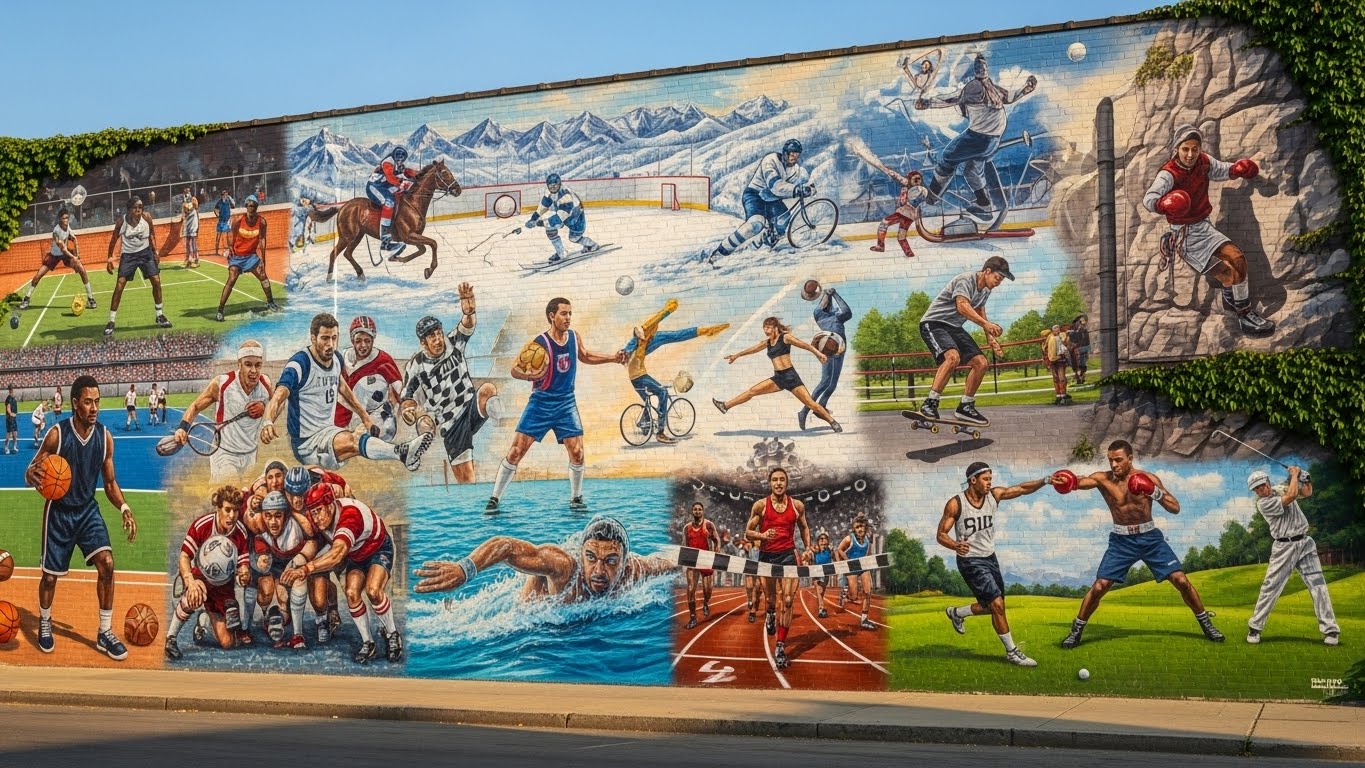
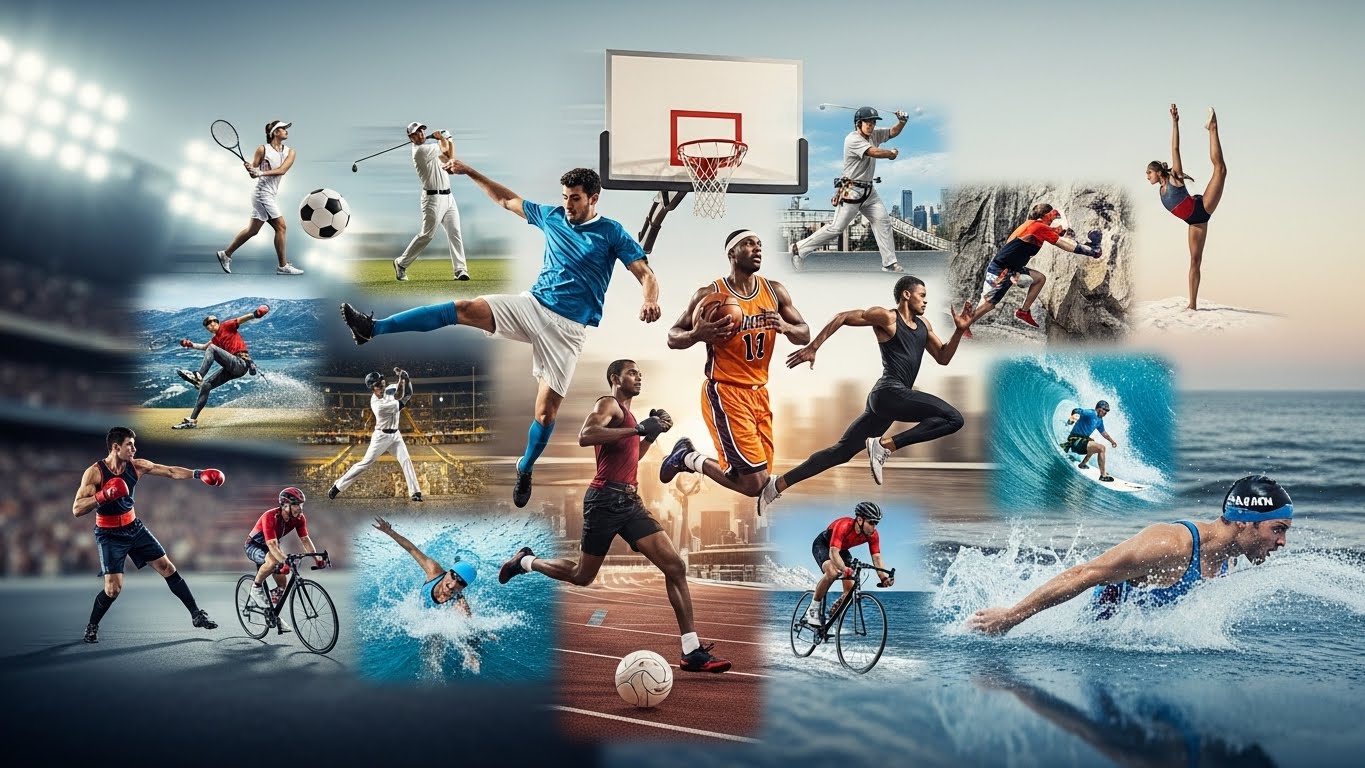
Introduction: More Than Just a Game
Sports are often judged by scores, trophies, and records, but their true influence reaches far beyond the final whistle. Across continents and cultures, sports act as a shared language that brings people together, teaches lifelong values, and reflects the spirit of society itself. From dusty playgrounds to packed stadiums, sports shape character, build communities, and create moments that live forever in memory. This blog explores how sports go beyond competition to influence personal growth, cultural identity, mental strength, and social unity.
The Roots of Sports in Human History
Since ancient times, humans have competed in physical contests to test strength, speed, and skill. Early civilizations organized athletic events not only for entertainment but also to prepare for survival and warfare. Over time, these contests evolved into organized sports with rules, traditions, and shared values. This historical foundation explains why sports still feel deeply meaningful today. They connect modern society to a long human story of striving, discipline, and excellence.
Building Character Through Discipline and Effort
One of the most powerful impacts of sports is character development. Athletes learn discipline by following routines, respecting rules, and committing to long-term goals. Training teaches patience, as improvement rarely comes overnight. Losses teach humility, while victories teach responsibility. These lessons extend far beyond the field. People who participate in sports often carry these habits into education, careers, and relationships, using the same dedication and resilience they learned through competition.
The Role of Sports in Youth Development
For young people, sports can be a guiding force during formative years. Team sports teach cooperation, communication, and trust, while individual sports encourage self-reliance and accountability. Children learn how to handle pressure, accept feedback, and work toward improvement. Importantly, sports also provide structure and positive mentorship, offering a healthy outlet for energy and emotion. In many communities, sports programs help keep youth engaged, focused, and inspired.
Mental Strength and Emotional Resilience
Sports challenge the mind as much as the body. Athletes must manage stress, overcome fear, and stay focused under pressure. Learning to perform despite anxiety builds mental toughness that is valuable in everyday life. Sports also teach emotional control, helping individuals cope with disappointment and frustration. The ability to bounce back after a loss mirrors real-life challenges, making sports a powerful training ground for emotional resilience.
Sports as a Cultural Mirror
Every culture expresses itself through sports in unique ways. The games people play, the heroes they celebrate, and the rituals they follow reveal deeper cultural values. In some places, sports symbolize national pride, while in others they represent community identity or historical struggle. Traditional sports preserve heritage, while global sports create shared experiences across borders. Through sports, cultures communicate who they are and what they value.
The Unifying Power of Competition
Despite fierce rivalries, sports have a remarkable ability to unite people. Fans from different backgrounds come together to support a common team, sharing joy, disappointment, and hope. Major sporting events can pause social divisions and create moments of collective emotion. Even at a local level, community games bring neighbors together, strengthening social bonds. In a divided world, sports often provide rare moments of unity and shared purpose.
Health, Fitness, and Lifelong Wellbeing
Participation in sports promotes physical health, improving strength, endurance, and coordination. Regular activity reduces the risk of many health issues and encourages healthy habits from a young age. Beyond physical benefits, sports support mental wellbeing by reducing stress and boosting confidence. For many people, sports become a lifelong source of fitness and enjoyment, adapting to different stages of life while maintaining a sense of purpose and vitality.
The Business and Influence of Modern Sports
In the modern era, sports have grown into a powerful global industry. Professional leagues, sponsorships, and media coverage have transformed athletes into influential public figures. While commercialization brings opportunities and resources, it also raises questions about pressure, fairness, and values. Despite these challenges, the core appeal of sports remains rooted in authentic competition and human effort. The business side may evolve, but the emotional connection fans feel stays the same.
Gender, Equality, and Changing Perspectives
Sports have played an important role in challenging gender norms and promoting equality. Increased visibility of women’s sports has inspired new generations and expanded opportunities. While progress continues, sports remain a platform for advocating fairness and inclusion. By celebrating talent and dedication regardless of gender, sports help reshape social attitudes and promote respect and equal opportunity.
Lessons in Leadership and Teamwork
Sports offer a living classroom for leadership development. Captains and coaches learn to motivate, guide, and support others, while team members learn to contribute selflessly to a shared goal. Effective teamwork requires trust, communication, and adaptability. These lessons are directly transferable to workplaces, families, and communities, making sports a valuable training ground for future leaders.
The Emotional Connection Between Fans and Athletes
Fans form deep emotional bonds with teams and athletes, often spanning generations. These connections are built on shared memories, dramatic moments, and a sense of belonging. Supporting a team becomes part of personal identity, providing comfort during tough times and celebration during success. This emotional investment highlights how sports fulfill a fundamental human need for connection and storytelling.
Sports in the Digital Age
Technology has transformed how sports are played, watched, and analyzed. Advanced training methods, data analysis, and instant replays have changed performance and strategy. Fans engage through digital platforms, creating global communities around their favorite sports. While technology enhances access and understanding, it also challenges traditional experiences. Balancing innovation with authenticity is one of the defining tasks of modern sports culture.
Grassroots Sports and Community Impact
While professional sports dominate headlines, grassroots sports quietly make a powerful difference. Local clubs, school teams, and amateur leagues create safe spaces for participation and growth. These programs foster inclusion, encourage healthy lifestyles, and strengthen community ties. Grassroots sports remind us that the true heart of athletics lies not in fame or money, but in participation and shared joy.
Conclusion: Why Sports Will Always Matter
Sports endure because they reflect the human experience in its purest form. They showcase effort, failure, growth, and triumph in ways that resonate deeply with people from all walks of life. Beyond entertainment, sports teach values, build connections, and inspire hope. Whether played casually or watched passionately, sports remind us of our shared humanity and our endless capacity to strive for something better.