
Introduction
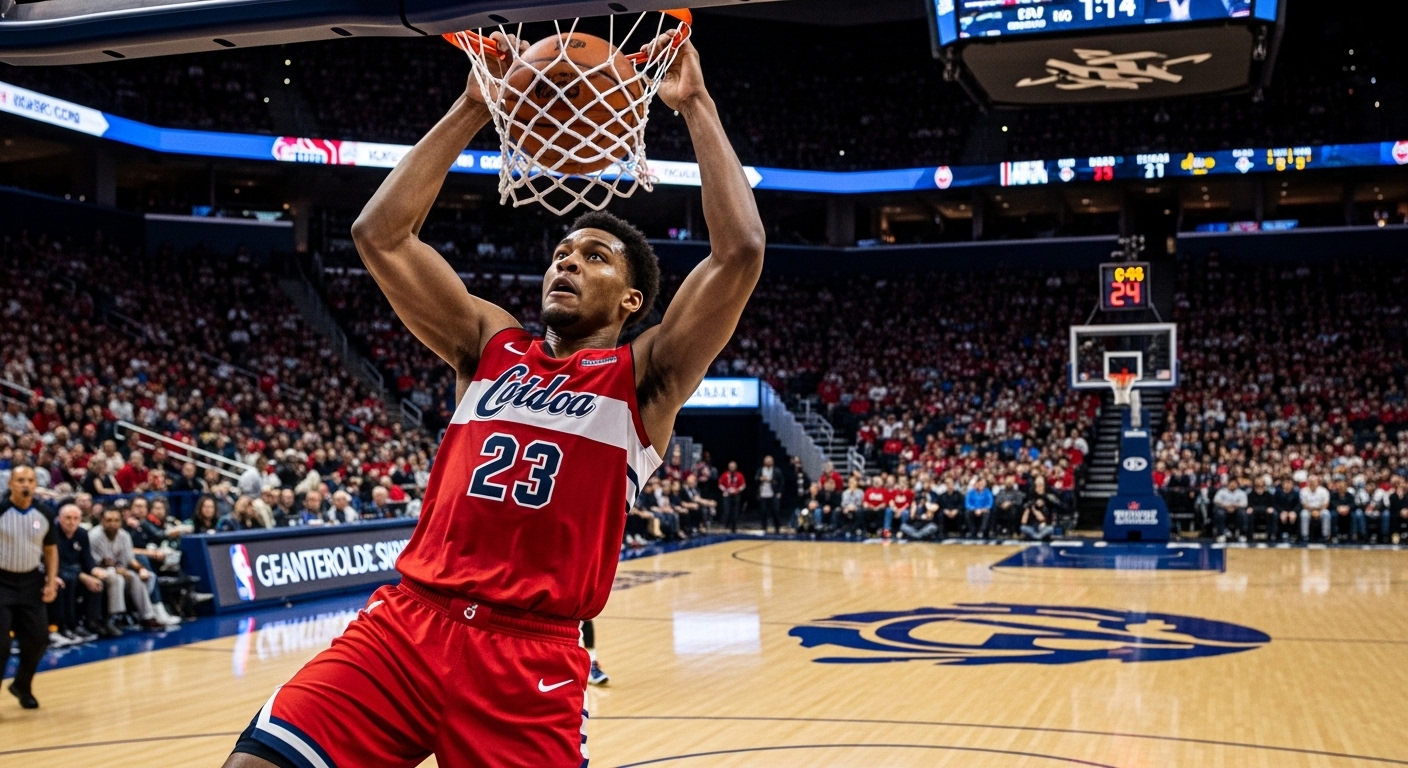
Sports are more than just games; they are reflections of human strength, unity, and determination. They bring joy to millions, create unforgettable memories, and inspire generations. Whether it’s a child kicking a football in a dusty street, an athlete training for the Olympics, or fans cheering passionately in a stadium, sports have a language that everyone understands. They go beyond borders, cultures, and languages. Sports represent the essence of teamwork, perseverance, and hope. In this blog, we will explore how sports impact individuals, societies, and the world, and why they remain one of humanity’s most powerful forces.
The Ancient Origins of Sports
Sports have been part of human civilization since ancient times. The earliest forms of competition were created not only for entertainment but also as training for survival and war. Ancient Greece gave birth to the Olympic Games, where athletes competed to honor their gods and display physical excellence. In ancient China, martial arts developed as a combination of defense skills and mental discipline.
Similarly, in Africa, traditional wrestling and hunting games helped build strength and unity within tribes. In Egypt, sports like swimming, archery, and running were common among both royalty and citizens. The ancient Romans turned sports into grand spectacles in their arenas, where gladiators and athletes showcased bravery and endurance.
These early sporting traditions laid the foundation for modern sports, teaching humanity the value of discipline, honor, and fair play. They also showed that sports could unite people through shared passion and respect for competition.
The Evolution of Modern Sports
The transformation of sports into the modern form began during the 19th century. Industrialization and urbanization provided people with leisure time, allowing organized sports to flourish. Schools and universities became the breeding grounds for sports like cricket, football, basketball, and tennis.
The introduction of official rules and governing bodies brought structure and fairness to competitions. With the rise of media and broadcasting in the 20th century, sports reached a global audience. Major events like the FIFA World Cup and the Olympics turned athletes into global icons, inspiring millions around the world.
Today, sports have become a global industry, influencing everything from fashion and advertising to politics and education. But despite commercialization, the spirit of sportsmanship continues to thrive.
The Power of Teamwork
At the heart of every sport lies the power of teamwork. In games like football, volleyball, and basketball, players must cooperate to achieve success. Teamwork teaches essential life skills such as communication, trust, and unity. It shows that victories are not achieved alone but through collective effort.
Even in individual sports like tennis or athletics, athletes rely on coaches, trainers, and support staff. Every success story is the result of collaboration and shared belief. Teamwork also teaches humility. It reminds us that personal talent must blend with group harmony to reach the top.
In real life, teamwork learned through sports translates into stronger relationships, leadership abilities, and better decision-making. It helps people understand that cooperation often leads to greater success than competition alone.
Discipline: The Foundation of Success
Discipline is one of the greatest lessons that sports impart. Behind every gold medal and championship trophy lies years of training, sacrifice, and self-control. Athletes must follow strict routines, maintain healthy lifestyles, and balance mental and physical health.
This discipline extends beyond the field. Sports teach time management, consistency, and focus. They show that success is built not on talent alone but on hard work and commitment. When athletes wake up before sunrise to train, when they resist distractions and keep pushing despite exhaustion, they demonstrate discipline in its purest form.
These lessons are valuable for everyone, not just athletes. In careers, education, and daily life, discipline helps individuals reach their potential and achieve long-term goals.
The Spirit of Competition
Competition is at the core of every sport. It fuels progress, innovation, and self-improvement. However, true competition is not about defeating others—it’s about becoming better than yesterday. Sports teach individuals to face challenges with courage and to respect both victory and defeat.
A true athlete celebrates success with humility and accepts loss with dignity. Every failure becomes a lesson and every victory a reminder of hard work. This attitude builds resilience and mental toughness.
Healthy competition also promotes respect. When two teams shake hands after a hard-fought match, it symbolizes that sportsmanship is stronger than rivalry. This respect for opponents and for the game itself makes sports a noble pursuit.
Sports as a Universal Language
Sports have the power to connect people from every culture, religion, and nationality. When fans gather to support their teams, they forget differences and share a single passion. Events like the Olympics and World Cup demonstrate how sports can unite nations.
In moments of victory or defeat, emotions are universal. A goal, a record-breaking sprint, or a last-minute basket can make millions of people celebrate or cry together. This emotional connection makes sports a powerful tool for global harmony.
Sports have even played roles in diplomacy. History shows how matches between countries have eased political tensions and promoted peace. Sports remind humanity that, despite divisions, we all share the same emotions and dreams.
Women Breaking Barriers in Sports
The rise of women in sports is one of the most inspiring movements in recent history. For centuries, women faced discrimination and limited opportunities in athletics. Today, female athletes are breaking barriers, setting records, and inspiring future generations.
Legends like Serena Williams, Simone Biles, and Megan Rapinoe have proven that strength, skill, and determination have no gender. Women’s sports are gaining more recognition and support than ever before, though challenges like unequal pay and limited sponsorship still exist.
The growing visibility of women in sports is transforming societies. It sends a message to young girls that they can achieve greatness through passion and hard work. Female athletes today are not only champions on the field but also symbols of equality and empowerment.
The Role of Sports in Education
Sports are an integral part of education because they develop both the mind and body. Schools that encourage sports produce students who are confident, disciplined, and socially responsible. Physical activity enhances concentration, reduces stress, and improves academic performance.
Moreover, sports teach leadership, teamwork, and emotional control. Students learn to handle pressure, work together, and face both success and failure. They also learn values like honesty, respect, and perseverance, which shape their character beyond classrooms.
Educational institutions worldwide are recognizing the role of sports in building balanced and capable individuals who can contribute positively to society.
The Health Benefits of Sports
Sports are essential for maintaining physical and mental health. Regular exercise strengthens the heart, muscles, and bones, while improving flexibility and endurance. It also reduces the risk of chronic diseases like obesity, diabetes, and hypertension.
Equally important are the psychological benefits. Sports release endorphins, which reduce anxiety and depression. They enhance confidence, improve focus, and promote better sleep. Playing sports regularly also teaches emotional balance, as players learn to deal with both success and disappointment.
In an age where digital lifestyles have made people less active, sports serve as a reminder of the importance of movement and outdoor activity. They are a natural remedy for stress and a pathway to a happier life.
Technology and Sports: A Modern Revolution
Technology has completely changed how sports are played, trained for, and watched. From fitness trackers that monitor an athlete’s heart rate to advanced replay systems that ensure fair play, innovation has enhanced every aspect of sports.
Coaches use video analysis to improve player performance, while virtual simulations help athletes prepare mentally for high-pressure situations. Fans benefit too—broadcasts, instant replays, and virtual experiences make sports more exciting and accessible.
While technology has made sports more efficient and transparent, it has also introduced debates about overreliance on data and automation. Still, there is no denying that technology continues to push the boundaries of human performance and make sports safer and fairer.
Sports and Society
Sports play a vital role in shaping societies. They promote unity, discipline, and national pride. When a team wins a championship, it brings joy and hope to an entire nation. Local clubs and community tournaments strengthen relationships and teach social values.
Sports also serve as a platform for social change. Athletes use their fame to raise awareness about important issues like equality, racism, and environmental protection. Through their influence, they inspire people to take action and create a better world.
In many developing regions, sports programs offer children opportunities to escape poverty and build better futures. Through scholarships, mentorship, and teamwork, sports become a tool for empowerment and education.
The Ethics and Integrity of Sports
The true beauty of sports lies in fairness and integrity. Unfortunately, issues such as doping, corruption, and match-fixing sometimes damage this purity. Maintaining honesty and transparency is essential for preserving the spirit of competition.
Athletes and organizations must remember that sports are not only about winning but also about respect and honor. Fair play teaches honesty, empathy, and accountability—values that define good character.
When players compete with integrity, they not only win medals but also earn lasting respect. Sportsmanship is the soul of every game, and it ensures that victory remains meaningful.
The Future of Sports
The future of sports promises to be more inclusive, technological, and sustainable. New forms of athletic competition, including e-sports and mixed-gender tournaments, are reshaping the industry. Technology will continue to enhance performance, while virtual reality may redefine how fans experience games.
Sustainability will also become a major focus, as global events aim to reduce environmental impact. Moreover, inclusivity will ensure that people of all abilities and backgrounds can participate. Adaptive sports for differently-abled athletes are already gaining recognition, celebrating human spirit and perseverance.
Despite all advancements, one thing will never change—the passion for the game. Sports will continue to inspire people, teach values, and bring hope to the world.
Conclusion
Sports are not just physical contests; they are expressions of human excellence and unity. They teach lessons of discipline, teamwork, respect, and perseverance. They bring nations together, break barriers, and create moments that live forever in our hearts.
From ancient arenas to modern stadiums, the essence of sports remains the same—a celebration of human potential and the pursuit of greatness. Every time an athlete steps onto the field, they remind us that limits exist only to be overcome.
Sports have the power to change lives, shape societies, and define generations. Beyond the scoreboard, they show us what it truly means to strive, to believe, and to never give up.