
Introduction: The Universal Appeal of Sports
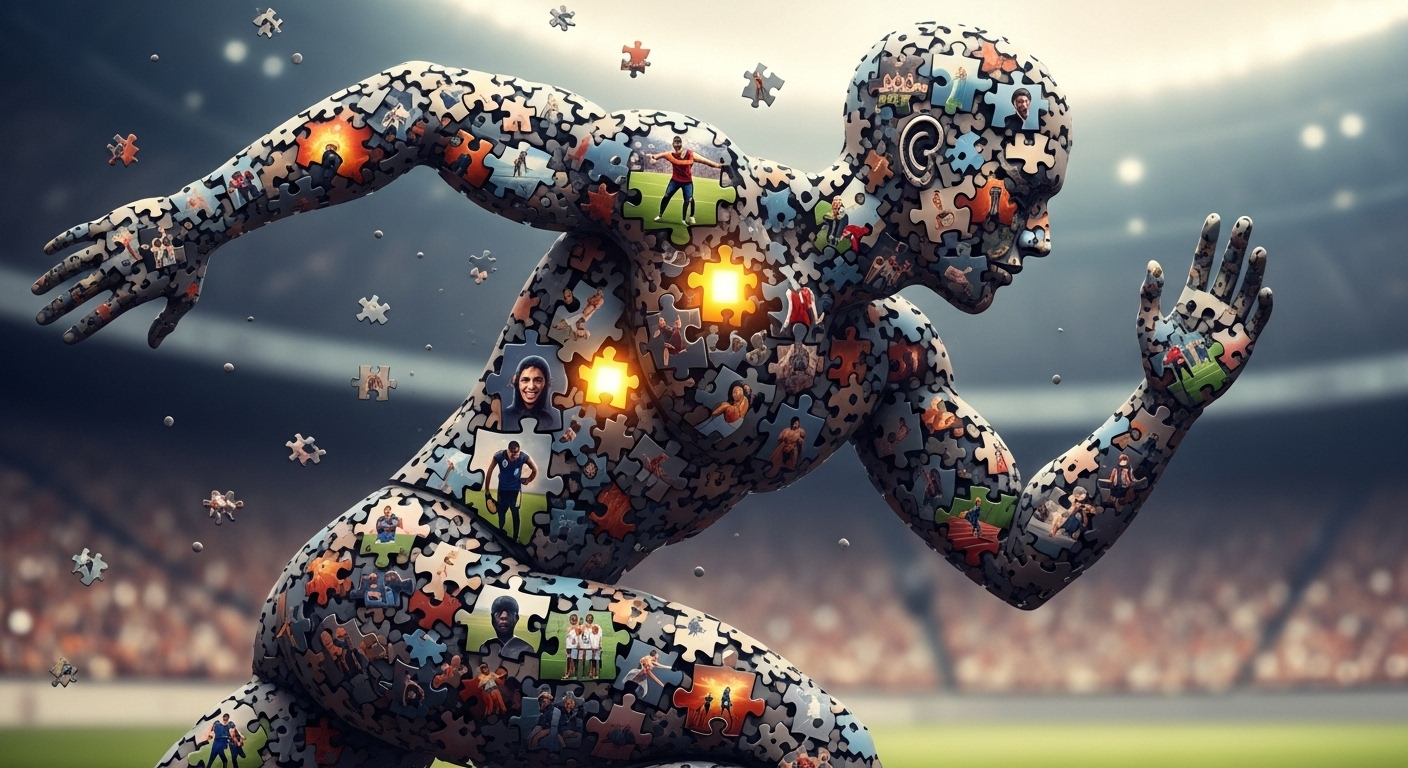
Sports are more than just games; they are a reflection of human spirit, determination, and creativity. Across cultures and generations, sports serve as a universal language, uniting people from diverse backgrounds. Whether it is a friendly match in a local park or a global championship, sports foster camaraderie, inspire personal growth, and teach critical life lessons. The thrill of competition, the joy of achievement, and the resilience built through practice make sports an integral part of society. They are arenas where dreams are pursued, limits are tested, and perseverance triumphs over obstacles.
The History and Evolution of Sports
The story of sports begins in ancient civilizations. From the Olympic Games in Greece to traditional games in Asia and Africa, humans have long sought ways to challenge themselves physically and mentally. These early forms of sports were not only for entertainment but also for training, discipline, and cultural expression. Over time, sports evolved, incorporating rules, professional structures, and international competitions. Modern sports now blend tradition with innovation, drawing millions of participants and fans worldwide. Technological advancements, media coverage, and global connectivity have elevated sports to a major cultural and economic force, transforming athletes into global icons and competitions into global spectacles.
The Role of Physical Fitness and Health
Sports play a vital role in promoting physical fitness. Regular participation improves cardiovascular health, strengthens muscles, enhances flexibility, and boosts overall endurance. Physical activity through sports also helps regulate weight, reduce the risk of chronic illnesses, and enhance immune system function. Beyond physical benefits, sports contribute to mental well-being. They reduce stress, improve focus, enhance mood, and cultivate discipline. By encouraging regular exercise and a healthy lifestyle, sports have become essential tools for holistic wellness.
Mental Toughness and Sports Psychology
While physical skill is critical, mental strength often determines success. Sports psychology has emerged as a vital field, helping athletes build resilience, focus, and confidence. Techniques such as visualization, meditation, and goal-setting enable athletes to overcome pressure, manage setbacks, and perform consistently. The mental aspect of sports teaches individuals how to handle failure, maintain motivation, and cultivate self-belief—lessons that extend far beyond the playing field. Mental toughness in sports reflects the human capacity to adapt, strategize, and persevere in any challenging situation.
Team Sports: Collaboration, Strategy, and Unity
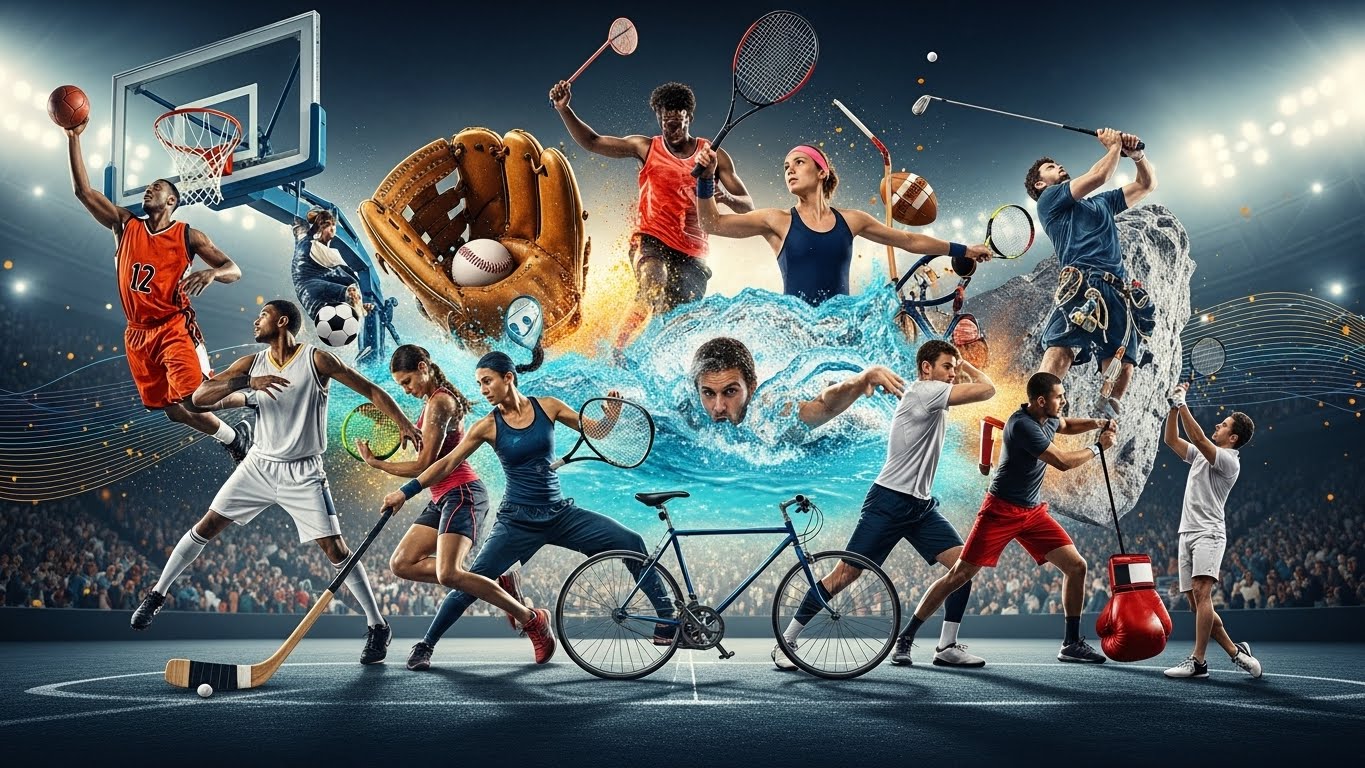
Team sports like football, basketball, and hockey emphasize collaboration, strategy, and mutual trust. Success in these games relies on the seamless coordination of individual talents to achieve a collective goal. Players learn communication, leadership, and adaptability as they work together to overcome challenges. Team sports foster camaraderie, friendship, and a sense of belonging, helping participants develop essential social skills. They demonstrate that while individual skill is important, cooperation and teamwork are the foundation of success.
Individual Sports: Self-Discipline and Personal Excellence
Individual sports such as tennis, swimming, running, or gymnastics focus on personal performance, discipline, and self-motivation. Athletes in these sports learn to set goals, analyze their performance, and constantly strive for improvement. They experience firsthand the rewards of hard work, determination, and resilience. Individual sports also teach responsibility and accountability, as athletes rely primarily on their own efforts to achieve success. These sports highlight the importance of perseverance and self-confidence, inspiring individuals to push beyond their limits.
Technology and Its Impact on Sports
Technology has transformed every aspect of sports, from training and performance analysis to fan engagement. Wearable devices and smart sensors monitor vital metrics such as heart rate, speed, and stamina, allowing athletes to optimize their performance. Video analysis and motion capture systems enable coaches to refine techniques and prevent injuries. Advanced simulations and virtual reality training prepare athletes for complex scenarios, enhancing decision-making and reaction times. On the fan side, live broadcasts, instant replays, and interactive apps make sports more engaging than ever, creating a global community of enthusiasts connected by their passion.
Sports and Cultural Significance
Sports are deeply embedded in cultural identity. They reflect societal values, traditions, and aspirations. National and international competitions like the Olympics, FIFA World Cup, and regional championships inspire pride, unity, and collective excitement. Local sports leagues and community events celebrate regional identity and bring people together. Athletes often become cultural icons, inspiring millions through their dedication, achievements, and personal stories. Sports serve as a platform for celebrating diversity, promoting inclusion, and fostering mutual respect across cultures.
The Economics of Sports
The sports industry is a significant economic driver, generating billions of dollars globally. Revenue streams include ticket sales, sponsorships, broadcasting rights, merchandising, and licensing. Professional leagues and athletes create employment opportunities and support associated industries such as advertising, travel, hospitality, and media. The business side of sports has grown increasingly sophisticated, incorporating analytics, marketing strategies, and fan engagement models. This economic impact demonstrates how sports transcend mere recreation, becoming an influential sector in both local and global economies.
Sports and Education
Sports and education complement each other by promoting holistic development. School and college sports programs teach discipline, teamwork, and leadership. Student-athletes learn to balance academics with rigorous training schedules, enhancing time management and resilience. Scholarships provide talented athletes with opportunities to pursue higher education while honing their skills. By integrating sports into educational systems, societies encourage physical fitness, mental growth, and social development, preparing young individuals for future challenges.
The Influence of Globalization on Sports
Globalization has made sports a truly worldwide phenomenon. International competitions bring together athletes and fans from across the globe, creating shared experiences and cultural exchange. Exposure to diverse styles, techniques, and strategies enhances the quality of sports and inspires innovation. Sports diplomacy fosters goodwill and mutual understanding between nations, using friendly competition to build bridges. Globalization also allows smaller sports to gain recognition and encourages participation across borders, uniting communities around shared passion.
Sports for Social Change
Sports are powerful tools for social impact. Community-based programs use sports to promote health, education, and social inclusion. Initiatives target underprivileged youth, women, and marginalized communities, providing opportunities for empowerment and personal growth. Sports raise awareness about social issues, advocate for equality, and encourage teamwork and fair play. Beyond physical benefits, they instill values such as discipline, empathy, and respect. By addressing societal challenges, sports demonstrate their transformative potential beyond entertainment.
The Future of Sports
The future of sports is marked by innovation, inclusivity, and technology-driven experiences. Esports, virtual competitions, and hybrid sports models are redefining what it means to be an athlete. Artificial intelligence, data analytics, and biomechanics will continue to enhance performance, strategy, and injury prevention. Greater focus on sustainability, equality, and mental health will shape sports policies, facilities, and fan engagement. As sports continue to evolve, they will maintain their timeless essence of perseverance, passion, and human connection, while embracing new possibilities for participation and enjoyment.
Conclusion: The Enduring Legacy of Sports
Sports are far more than competitions or scores; they are expressions of human determination, creativity, and resilience. They inspire individuals to strive for excellence, foster social bonds, and reflect cultural identity. The lessons learned on the field—discipline, teamwork, focus, and perseverance—resonate throughout life. As technology advances and society evolves, sports will continue to unite people, challenge limits, and inspire generations. Their enduring appeal lies in the universal values they promote, the joy they bring, and the inspiration they ignite in every participant and fan.