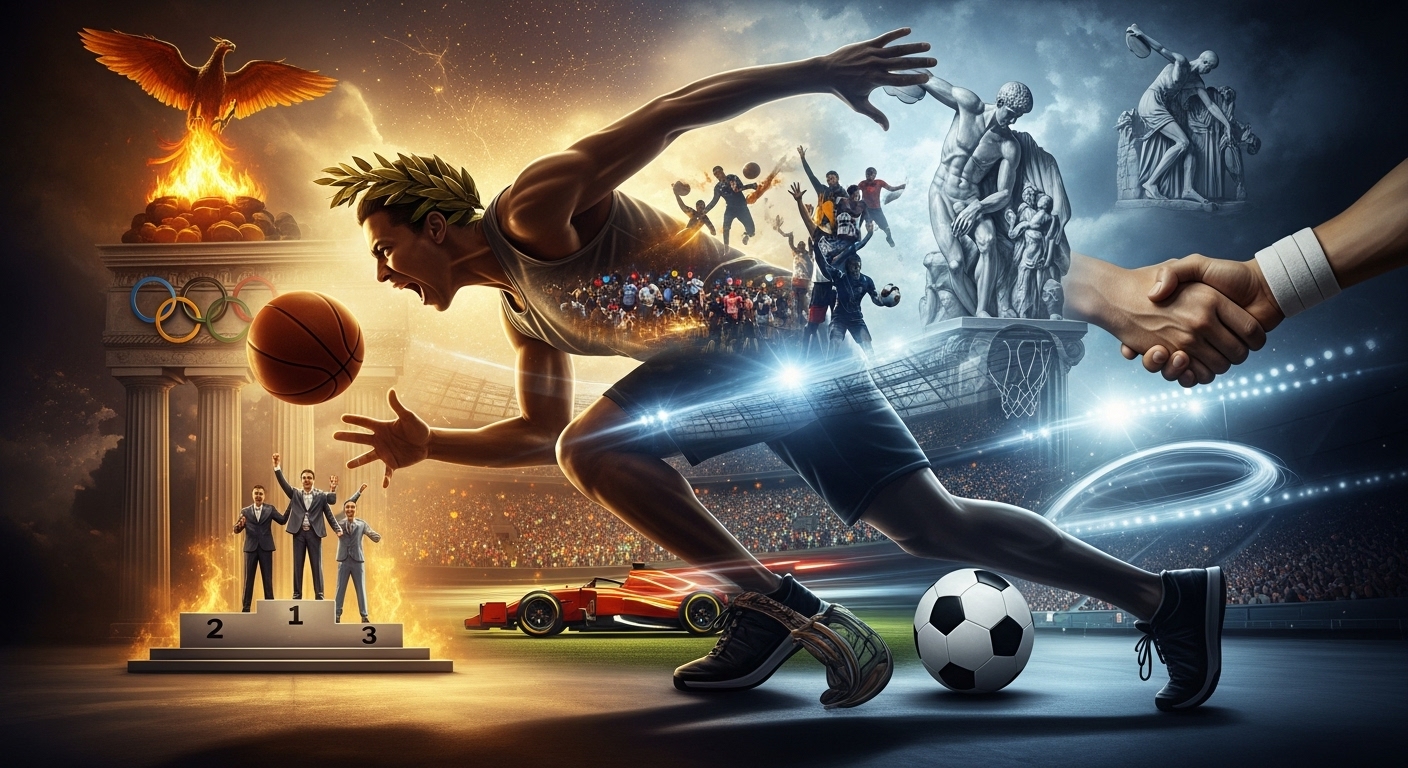
Sports have long been an integral part of human culture, serving as both a means of entertainment and a powerful tool for bringing communities together. From the ancient Olympic Games to the modern-day spectacle of professional leagues across the globe, the world of sports has undergone significant transformations. In the 21st century, we are witnessing an unprecedented shift in how we view, experience, and participate in sports. In this blog post, we will explore the evolving landscape of sports, focusing on three key areas: the impact of technology, the drive towards inclusivity, and the changing nature of athletic competition.
1. The Impact of Technology on Sports
One of the most notable changes in sports over the past few decades has been the increasing role of technology. Technology has revolutionized the way we experience sports both on and off the field, bringing fans and athletes closer together, and enhancing the quality of play in numerous ways.
The Rise of Analytics and Data
In the past, coaches and managers relied on their instincts and traditional methods of evaluation when making decisions about players and strategies. Today, the rise of advanced analytics has transformed sports management. Teams across all major leagues now utilize data to track every movement, every play, and every performance metric. With tools such as player tracking systems, wearable technology, and sophisticated statistical models, teams can assess performance in real-time, adjust strategies during a game, and make more informed decisions during recruitment and player development.
Analytics has made its most significant mark in sports like baseball, basketball, and football, where teams rely heavily on data-driven approaches to understand player performance. The “Moneyball” revolution in baseball is a classic example of how analytics have reshaped how teams build their rosters and approach the game. The use of detailed performance metrics in basketball, like player efficiency ratings and advanced shot charts, has similarly influenced team strategies.
Augmented Reality (AR) and Virtual Reality (VR)
The integration of augmented and virtual reality is changing how fans consume sports. With VR, fans can experience the thrill of being in the stands or even on the field, all from the comfort of their homes. Through VR headsets, one can virtually attend a match, watch replays from any angle, and experience immersive environments that make them feel like part of the action. Augmented reality, on the other hand, enhances the viewing experience with on-screen graphics, live stats, and dynamic commentary, allowing fans to interact with the game in ways that were once unimaginable.
Wearable Technology and Performance Enhancement
Wearable devices have become an essential tool for athletes looking to optimize their performance. Smartwatches, fitness trackers, and specialized sports wearables now track heart rate, movement, sleep patterns, and even muscle recovery. These devices provide coaches with real-time data, allowing them to tailor training programs to the specific needs of each athlete.
Athletes can also use these devices to monitor their health and recovery, helping them avoid overtraining and reduce the risk of injury. As wearable technology continues to evolve, it will likely play an even more significant role in enhancing athletic performance and extending careers.
2. Inclusivity and Diversity in Sports
Another major transformation in the sports world is the growing push for inclusivity and diversity. Traditionally, many sports were perceived as exclusive to certain groups of people, whether based on gender, race, socioeconomic status, or physical ability. Today, however, there is a concerted effort across the world to make sports more accessible and inclusive for everyone.
Gender Equality in Sports
One of the most significant changes in recent years has been the increased visibility and support for women’s sports. While female athletes have been competing at elite levels for decades, it is only in recent years that the recognition and opportunities available to them have expanded.
The Women’s National Basketball Association (WNBA) has been a vital force in promoting women’s basketball in the U.S., and similar leagues are emerging across the globe. The recent surge in media coverage of women’s events, especially at international competitions like the Olympics, has helped inspire more young girls to take up sports and aspire to professional careers.
In addition to female athletes gaining recognition, there has also been a broader societal push to address gender inequalities in sports organizations and governing bodies. Pay disparities between male and female athletes have become a focal point, with organizations like the U.S. Women’s National Soccer Team fighting for equal pay, and numerous countries and leagues beginning to address these issues.
Racial Diversity and Representation
The conversation around racial equality in sports has also evolved significantly. In sports like basketball, football, and soccer, athletes from various racial backgrounds have risen to prominence, breaking barriers and challenging stereotypes. However, racial disparities still exist, particularly in the representation of people of color in leadership roles within sports organizations.
In recent years, movements such as Black Lives Matter have sparked conversations about racial justice and equity, pushing for greater diversity in coaching, administration, and decision-making roles in sports organizations. The role of athletes in social movements has grown, with prominent figures using their platform to advocate for racial equality and social change.
Adaptive Sports and Paralympic Movement
Inclusivity in sports also extends to athletes with disabilities. The Paralympic Games, as well as the growing popularity of adaptive sports leagues, have provided an avenue for athletes with physical impairments to compete at the highest levels. Sports like wheelchair basketball, para-skiing, and para-swimming are gaining global recognition, and there is growing support from both sponsors and spectators.
Adaptive technologies and innovations in equipment, such as specialized wheelchairs, prosthetics, and assistive devices, have made it possible for athletes with disabilities to compete more effectively. These advancements not only help athletes reach their potential but also promote inclusivity by demonstrating that sports are for everyone, regardless of physical limitations.
3. The Changing Nature of Athletic Competition
The nature of competition itself is undergoing a transformation. While traditional team and individual sports remain central to global sporting culture, new formats and competitions are emerging, challenging our perception of what sports can be.
The Rise of eSports
One of the most significant changes in the competitive sports landscape is the rise of eSports. Competitive video gaming has grown into a multi-billion-dollar industry, attracting millions of viewers worldwide and creating professional leagues with huge prize pools. Games like “League of Legends,” “Fortnite,” and “Dota 2” have transformed from niche interests into mainstream cultural phenomena.
eSports have introduced a new form of athleticism, one that is based on mental acuity, strategic thinking, and hand-eye coordination, rather than physical strength or endurance. Although eSports players may not be running on a field or court, they are still pushing their minds and bodies to the limits in order to win. With the growing acceptance of eSports, it’s likely that they will continue to shape the future of competitive sports.
Cross-Sport Competitions and Hybrid Events
We are also seeing a growing interest in cross-sport competitions and hybrid events that combine multiple disciplines. For example, the X Games, which includes events such as skateboarding, snowboarding, and BMX biking, draws athletes from different sports to compete in a shared space. Similarly, events like the World’s Strongest Man combine elements of powerlifting, strongman challenges, and endurance testing in a way that pushes the boundaries of traditional athleticism.
The blending of different sports not only broadens the appeal of the events but also encourages athletes to diversify their skills. In the future, we may see more hybrid events or competitions that blend elements from traditional sports with newer, unconventional formats.
The Future of Sports
Looking ahead, it is clear that the future of sports will be shaped by an ongoing blend of tradition and innovation. As technology continues to evolve, athletes will be able to push the boundaries of human performance even further, while fans will enjoy more immersive and interactive ways to engage with their favorite teams and athletes.
At the same time, the movement towards inclusivity will ensure that sports remain accessible to everyone, regardless of their background, gender, or ability. Whether it’s through women’s sports, adaptive sports, or greater racial diversity in leadership, the future promises to be one of greater representation and equity.
Lastly, the rise of new sports formats and eSports points to a future where competition is defined not just by physical strength but by mental acuity and innovation. In this new era of sports, it is clear that the only constant is change.
Conclusion
Sports, in all their forms, will continue to evolve as we navigate the future. Technology, inclusivity, and new forms of competition will all play pivotal roles in shaping the landscape of sports in the years to come. What is clear is that sports will remain a vital part of our lives, providing entertainment, fostering community, and encouraging individuals to push themselves to new heights—both physically and mentally. The only question that remains is: what will the next chapter in the history of sports look like?