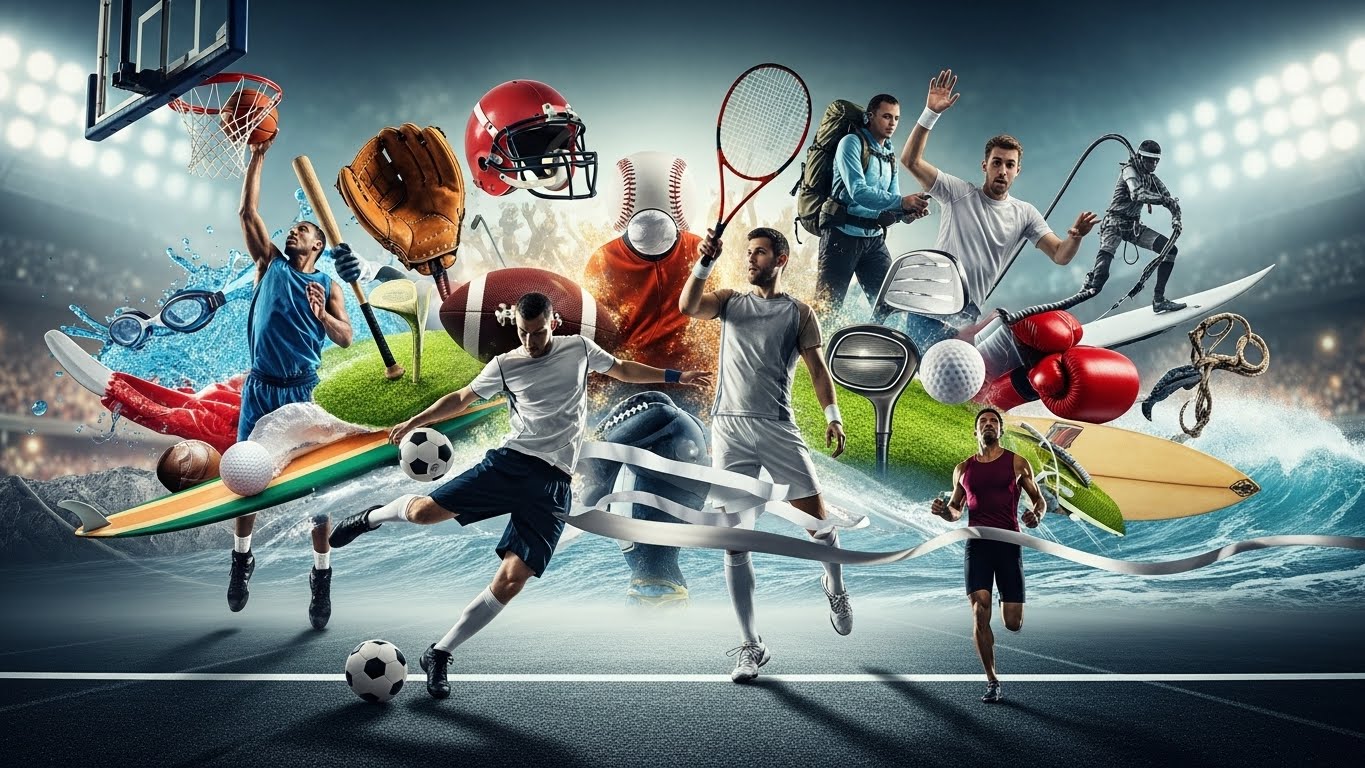

Sports are an integral part of human civilization. They are more than mere competition; they are a reflection of culture, human endurance, and the pursuit of excellence. From ancient athletic contests to modern professional leagues, sports have always played a role in shaping societies, fostering teamwork, and inspiring individuals to push their limits. This blog explores the history, significance, and evolving landscape of sports, highlighting their cultural, social, and economic impact.
The Origins of Sports
Sports trace their roots back thousands of years. Ancient civilizations engaged in physical contests as a way to prepare for survival and war, entertain communities, and celebrate religious or cultural rituals. The Ancient Greeks institutionalized sports with the Olympic Games, where athletes competed in running, wrestling, discus, and chariot racing.
Similarly, in ancient Egypt and Mesopotamia, games like wrestling, archery, and hunting contests were prevalent. Sports were not only recreational but also a measure of skill, strategy, and strength. These early activities laid the foundation for the structured sports we recognize today.
The Evolution of Modern Sports
Modern sports as we know them began to take shape during the 19th and 20th centuries, with codified rules, organized leagues, and international competitions. Football, cricket, tennis, and basketball emerged as global phenomena, with structured tournaments and governing bodies.
The professionalization of sports transformed talented individuals into athletes who could pursue a career in their chosen discipline. Competitions such as the FIFA World Cup, the Olympic Games, and the Wimbledon Championships became global spectacles, uniting people across borders through shared enthusiasm.
Physical Benefits of Sports
One of the most evident benefits of sports is its positive impact on physical health. Engaging in sports regularly improves cardiovascular fitness, builds strength, enhances flexibility, and boosts endurance.
Participation in sports also reduces the risk of chronic illnesses such as heart disease, obesity, and diabetes. It promotes a healthy lifestyle, encouraging individuals to maintain regular exercise routines and make conscious decisions about nutrition and overall well-being.
Mental and Emotional Benefits
Sports are equally beneficial for mental and emotional health. Physical activity stimulates the production of endorphins, which reduce stress and promote feelings of happiness. Regular engagement in sports can alleviate symptoms of anxiety and depression while boosting self-esteem and confidence.
Team sports, in particular, cultivate resilience, strategic thinking, and problem-solving skills. Athletes learn to manage pressure, set goals, and overcome challenges, which translates into improved performance in other areas of life, including academics and career pursuits.
Sports and Social Development
Sports are a powerful tool for social development. They create opportunities for people to connect, collaborate, and build meaningful relationships. Local leagues, school competitions, and community events bring individuals together, fostering camaraderie and a sense of belonging.
Team sports teach essential social skills, including communication, cooperation, and conflict resolution. Inclusive sports programs ensure participation for people of all backgrounds and abilities, promoting equity, respect, and diversity within communities.
Women in Sports
The participation of women in sports has grown dramatically over the past century. Female athletes have broken barriers and challenged stereotypes, excelling in disciplines ranging from athletics and football to tennis and gymnastics.
Women’s sports leagues, professional tournaments, and increased media coverage have created visibility and opportunities for female athletes. This progress has inspired countless young girls to pursue sports, emphasizing empowerment, equality, and the transformative power of athletic achievement.
The Role of Major Sporting Events
Major sporting events are cultural phenomena with far-reaching impact. Competitions like the Olympics, FIFA World Cup, and international cricket tournaments attract global attention, uniting fans through shared excitement and national pride.
These events also drive economic growth, tourism, and infrastructure development. They provide platforms for cultural exchange, foster international cooperation, and inspire future generations of athletes. Sporting events demonstrate the universal appeal of sports and their ability to transcend political, cultural, and social boundaries.
Sports and Media
Media has played a critical role in popularizing sports worldwide. Television broadcasts, live streaming, and social media allow fans to follow games, interact with athletes, and engage with sporting communities in real time.
The rise of sports journalism, commentary, and digital platforms has created new revenue streams through sponsorships, advertising, and merchandise. Media coverage amplifies the cultural significance of sports, shaping narratives, trends, and fan engagement across generations.
Economic Impact of Sports
Sports are a significant economic driver globally. Professional leagues, tournaments, and local events generate revenue through ticket sales, broadcasting rights, sponsorships, and merchandise.
Athletes, coaches, referees, sports journalists, and event managers contribute to the economy by creating jobs and fostering industry growth. Infrastructure investments, sports tourism, and training facilities further stimulate local and national economies, highlighting the multifaceted economic importance of sports.
Technology in Sports
Technology has transformed how sports are played, analyzed, and experienced. Innovations such as wearable devices, performance analytics, and biomechanical assessments allow athletes to optimize training and prevent injuries.
Advancements in broadcasting, virtual reality, and instant replay have enhanced fan experiences, providing immersive and interactive engagement. Technology ensures accuracy in officiating through tools like goal-line technology, Hawk-Eye, and video assistant referees, reflecting the evolving relationship between innovation and athletic performance.
Youth and Sports Development
Youth engagement in sports is crucial for personal development. Participation nurtures physical fitness, discipline, leadership, and teamwork. It instills values such as perseverance, responsibility, and ethical conduct.
Structured sports programs help children and adolescents develop social and cognitive skills while encouraging healthy habits. Early exposure to competitive and recreational activities can cultivate lifelong engagement with sports, fostering the next generation of athletes and responsible citizens.
Sports and Psychology
Sports psychology examines the mental aspects of athletic performance. Focus, confidence, motivation, and resilience are key components of success. Athletes use visualization, goal-setting, and stress management techniques to perform optimally under pressure.
Spectators also benefit psychologically through sports. Watching games provides emotional engagement, stress relief, and a sense of community. The psychological dimension of sports demonstrates that the impact of athletics extends beyond participants to influence fans and society at large.
Cultural Significance of Sports
Sports are deeply embedded in culture and identity. National teams, local clubs, and traditional games reflect societal values, history, and pride. Iconic athletes often become cultural symbols, influencing fashion, lifestyle, and social movements.
Sports festivals, community events, and international tournaments celebrate diversity and heritage while promoting unity. They reinforce cultural identity and create shared experiences, highlighting the social importance of athletics in connecting people across communities and generations.
Challenges in Modern Sports
Modern sports face several challenges, including commercialization, doping, corruption, and inequality. The pressure to perform at elite levels can lead to physical and mental health issues for athletes. Maintaining fair competition, transparency, and ethical standards is critical to preserving sportsmanship and integrity.
Ensuring accessibility for all, including women, differently-abled athletes, and marginalized communities, remains an ongoing challenge. Addressing these issues is vital for sustaining sports as a positive and inclusive force in society.
The Future of Sports
The future of sports is shaped by technology, inclusivity, and globalization. Virtual reality, augmented reality, and advanced analytics will enhance training, competition, and fan engagement. Global connectivity will allow for broader participation, international collaboration, and innovative tournament formats.
Sustainability initiatives will make sporting events environmentally responsible. Efforts to promote gender equality, accessibility, and ethical governance will ensure that sports continue to inspire, empower, and unite people around the world. The evolving landscape promises greater engagement, fairness, and enjoyment for athletes and fans alike.
Conclusion
Sports are more than a form of recreation—they are a vital part of human culture, health, and society. They inspire physical fitness, mental resilience, and social cohesion while contributing to economic growth and cultural identity. From ancient competitions to modern professional leagues, sports have continually evolved to meet the needs of society.
As technology advances and global participation increases, sports will continue to transcend borders, unite communities, and empower individuals. They embody human perseverance, teamwork, and the relentless pursuit of excellence, proving that sports are much more than just a game—they are a celebration of life itself.