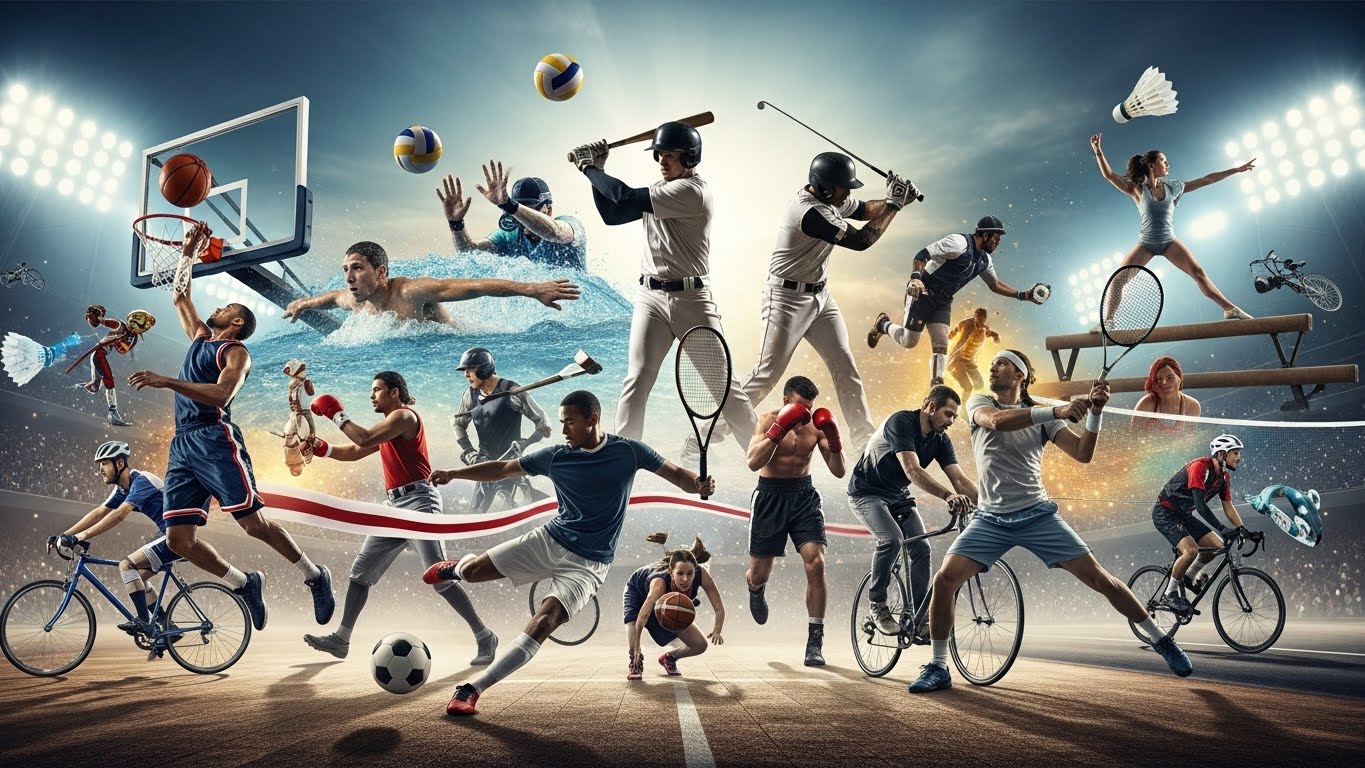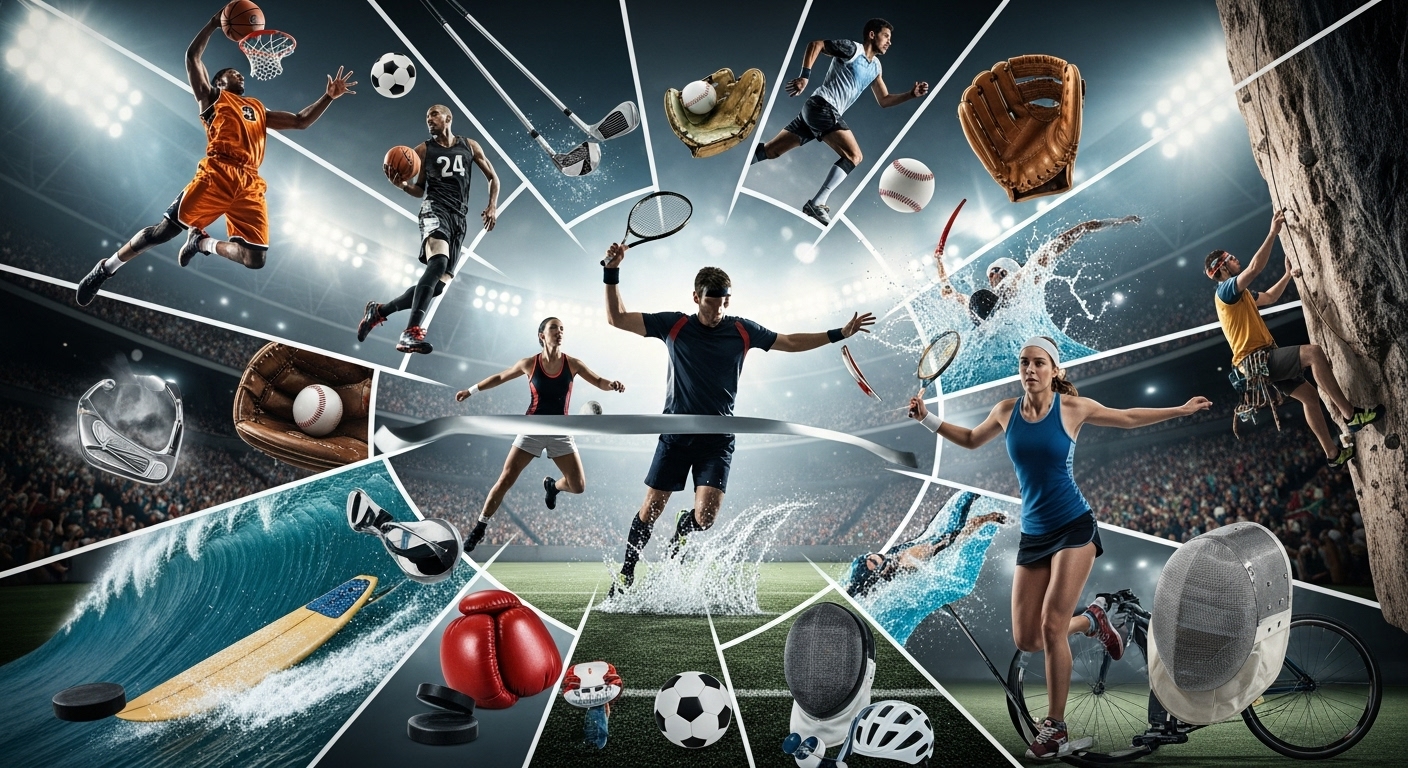
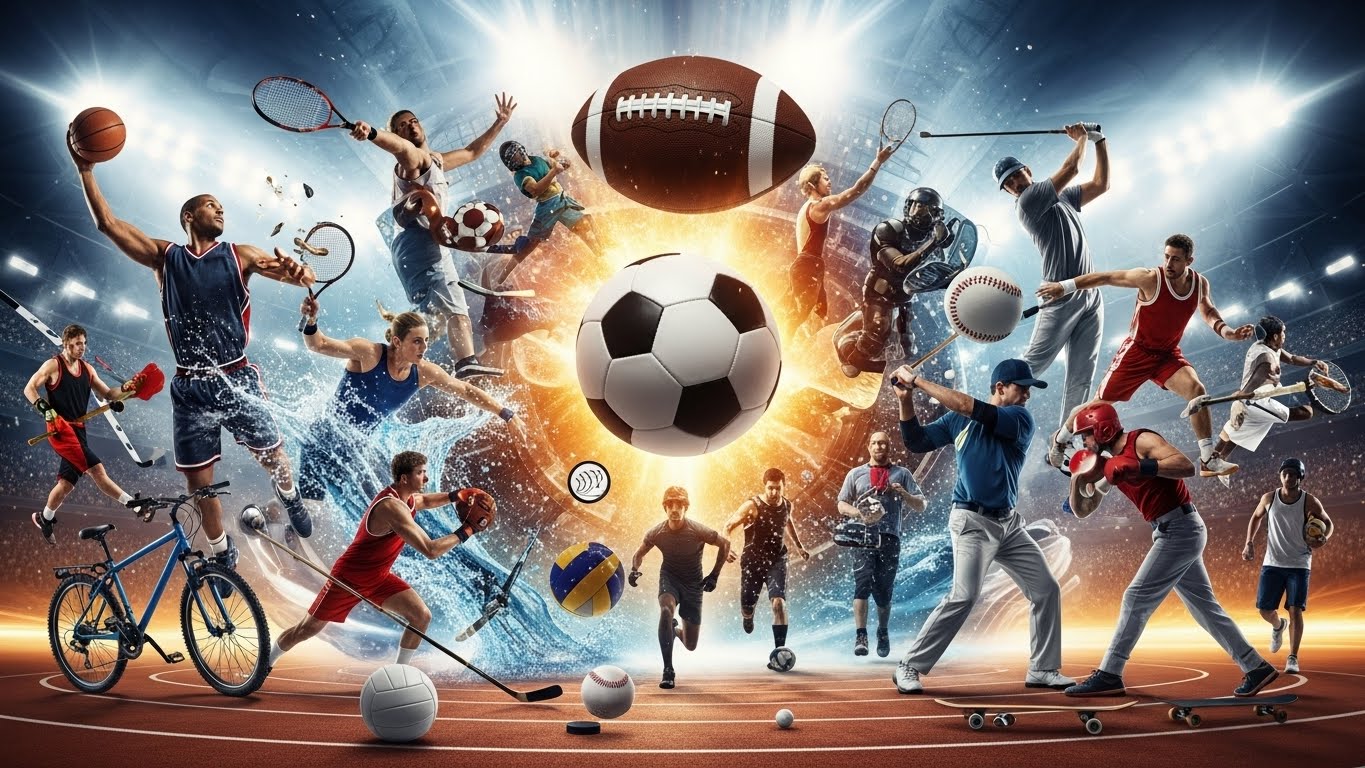
Sports have always been more than just a game. They are a mirror reflecting the spirit, determination, and resilience of humanity. Across the globe, from the dusty fields of rural villages to the grand arenas of international competitions, sports hold a universal language that connects people of all cultures, ages, and backgrounds. The influence of sports extends far beyond the scoreboards and trophies—it shapes character, inspires communities, and even drives social change.
The Cultural Significance of Sports
Sports are deeply intertwined with culture. Every country has its own favorite games that not only entertain but also reflect their history, values, and traditions. For instance, soccer in Brazil is more than a sport; it is a symbol of national pride and a unifying force during times of celebration or crisis. In India, cricket is practically a religion, bringing millions together in front of screens or stadiums, sharing the highs of victory and the heartbreak of defeat.
Through sports, people experience a sense of identity. They become part of something bigger than themselves—a team, a fanbase, or even a national movement. Festivals and sporting events often go hand in hand, creating moments where culture and athleticism blend seamlessly. These events do not just entertain; they educate, preserve traditions, and foster social cohesion.
Physical and Mental Benefits of Sports
The benefits of participating in sports are not limited to professional athletes. Regular involvement in sports promotes physical fitness, improves cardiovascular health, and enhances coordination and reflexes. Activities like running, swimming, or team sports help individuals maintain a healthy weight, reduce the risk of chronic illnesses, and build stronger bones and muscles.
However, the impact of sports extends to mental health as well. Engaging in athletic activities reduces stress levels, alleviates anxiety, and boosts mood through the release of endorphins. The discipline required in sports—setting goals, practicing consistently, and learning from failure—translates into mental resilience. These lessons are invaluable in personal and professional life, teaching individuals perseverance, time management, and the importance of teamwork.
Sports as a Catalyst for Social Change
Sports possess a unique power to influence societal norms and drive change. Historical moments, such as Jesse Owens’ triumph at the 1936 Olympics, challenged racial prejudices and inspired generations to fight for equality. Similarly, the rise of women in sports has played a significant role in advancing gender equality. Female athletes like Serena Williams, Megan Rapinoe, and Simone Biles have broken barriers and redefined what it means to be a role model, encouraging young girls to pursue their passions fearlessly.
Furthermore, sports programs in underprivileged communities often serve as a lifeline. They provide safe spaces for children and teenagers, teach valuable life skills, and can even act as a stepping stone out of poverty. By bringing people together and promoting teamwork, sports help bridge social divides and foster mutual respect among different groups.
The Evolution of Modern Sports
The landscape of sports has evolved dramatically over the past century. From informal gatherings to organized leagues and international competitions, sports have become a global spectacle. Technological advancements have transformed training methods, performance analysis, and even fan engagement. Athletes now rely on data-driven insights to optimize performance, while fans can experience games through virtual reality, live streaming, and social media interactions.
Sports have also embraced inclusivity in unprecedented ways. Adaptive sports for athletes with disabilities, co-ed leagues, and initiatives promoting diversity have made the field more accessible than ever before. The modern sports industry is not just about winning—it is about representation, empowerment, and innovation.
The Economic Impact of Sports
Sports are not only a source of entertainment and pride but also a significant economic driver. Major sporting events like the Olympics or the FIFA World Cup generate billions in revenue, creating jobs in tourism, hospitality, and broadcasting. Local economies benefit from increased business activity, infrastructure development, and international exposure.
Professional athletes themselves have become influential figures in business and marketing. Endorsements, merchandise, and media appearances create additional income streams, while sports franchises often serve as multi-billion-dollar enterprises. The economic ripple effect of sports underscores its importance not just as a pastime but as a global industry with far-reaching implications.
The Role of Sports in Education
Incorporating sports into education yields tremendous benefits for students. Physical activity enhances concentration, memory, and overall academic performance. Schools that prioritize sports programs often see improved student engagement, better teamwork skills, and stronger discipline.
Beyond academics, sports teach life lessons that cannot be found in textbooks. Students learn the value of effort, the importance of practice, and how to cope with both success and failure. These experiences cultivate resilience and confidence, shaping individuals who can thrive in diverse environments.
Iconic Moments that Transcend Sports
Certain sporting moments resonate far beyond the field. The “Miracle on Ice” during the 1980 Winter Olympics, where the underdog U.S. hockey team defeated the Soviet Union, became a symbol of hope and unity during the Cold War. Usain Bolt’s record-breaking sprints brought the world together in awe of human speed and determination. These events inspire millions, reminding us that sports can transcend politics, geography, and language.
Fans experience a sense of collective joy and identity during such moments. The emotional connection to sports is profound, as people celebrate victories, mourn defeats, and share experiences with friends and strangers alike. This emotional power is why sports are often described as a universal language.
The Psychology of Fandom
Sports fandom is a fascinating psychological phenomenon. Supporting a team fosters a sense of belonging and emotional investment. Fans experience joy, tension, and heartbreak alongside their favorite athletes, creating deep connections that are difficult to replicate elsewhere. The rituals of cheering, wearing team colors, and gathering with fellow supporters strengthen social bonds and foster community spirit.
Interestingly, fandom also has cognitive and emotional benefits. Studies have shown that being part of a fan community can reduce stress, increase happiness, and even provide motivation in everyday life. The psychological dimension of sports underscores why millions of people dedicate time, energy, and emotion to following games and athletes.
Sportsmanship and Ethics
Beyond physical prowess, sports teach the importance of ethics and fair play. Respecting opponents, following rules, and gracefully accepting outcomes are fundamental principles of sportsmanship. Athletes serve as role models, demonstrating that integrity, humility, and perseverance matter as much as talent and victory.
In professional sports, ethical conduct is critical to maintaining credibility and trust. Anti-doping regulations, fair competition standards, and codes of conduct ensure that the spirit of the game is preserved. These principles resonate beyond the field, emphasizing that honesty and respect are vital in all aspects of life.
The Future of Sports
The future of sports promises innovation, inclusivity, and global connectivity. Emerging technologies like artificial intelligence, wearable devices, and virtual reality are transforming how athletes train and how fans experience games. Sports may also play an increasingly vital role in promoting sustainability, with eco-friendly stadiums, green practices, and awareness campaigns becoming the norm.
Moreover, the ongoing push for equality and representation will shape sports in the coming decades. As more opportunities open for women, athletes with disabilities, and marginalized communities, sports will continue to reflect society’s evolving values and aspirations. The future is not just about breaking records—it is about breaking barriers.
Conclusion: More Than a Game
Sports are much more than physical contests; they are a reflection of human spirit and societal evolution. They inspire, unite, and transform, leaving lasting impressions on individuals and communities alike. From physical health benefits and mental resilience to economic impact and cultural significance, sports influence nearly every aspect of life.
In the end, whether you are a professional athlete, a weekend enthusiast, or a devoted fan, sports have the power to teach, inspire, and connect us all. They remind us that determination, passion, and teamwork are universal values—qualities that transcend the boundaries of the playing field and echo throughout life itself.