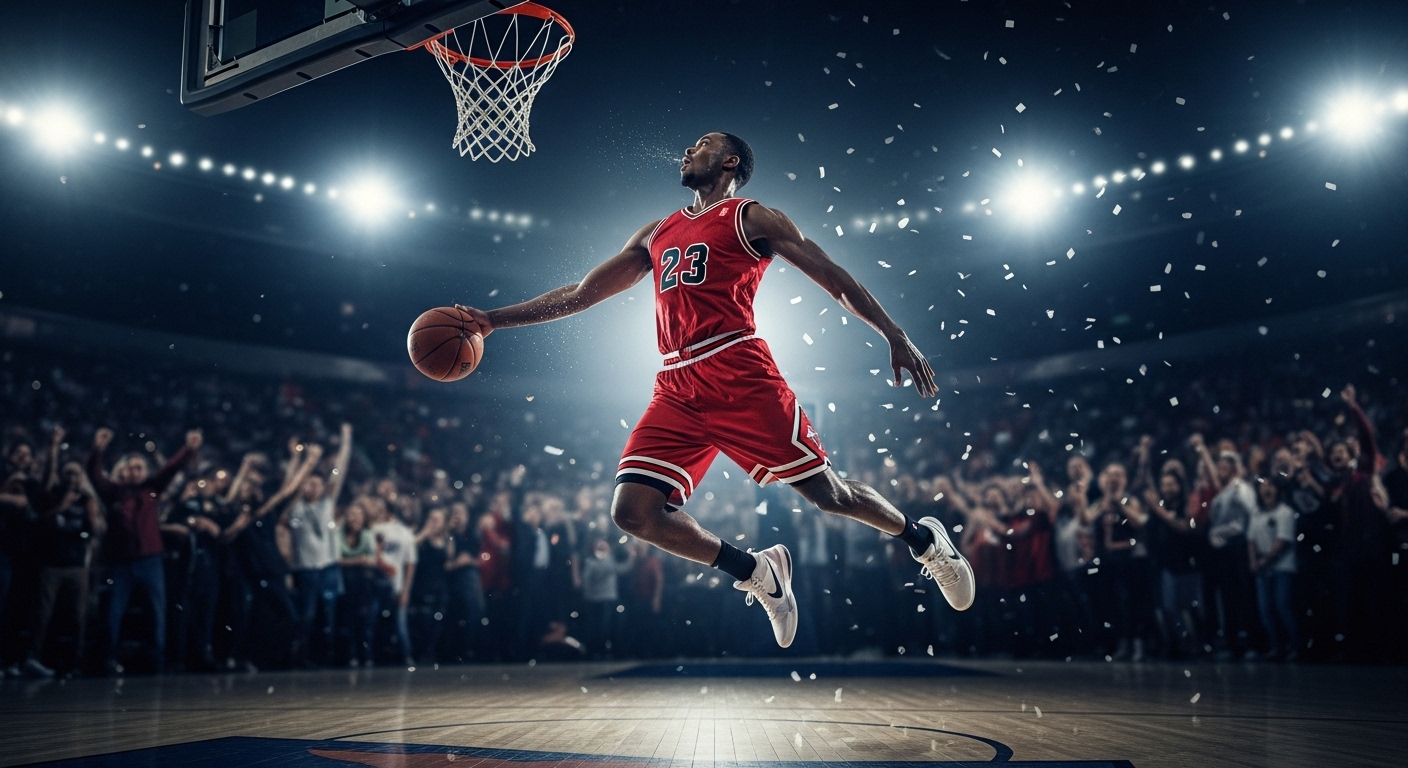
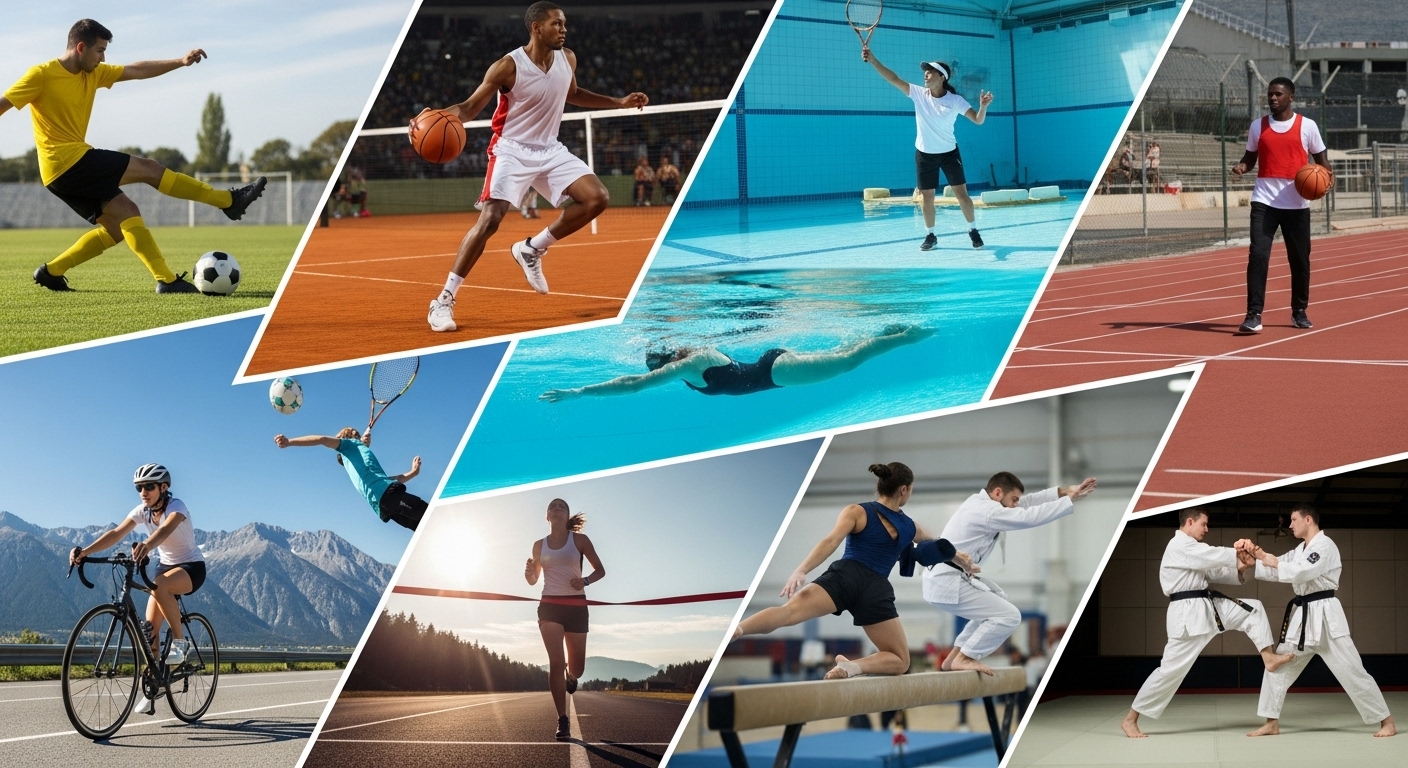
Sports have always been more than just games played on fields, courts, or tracks. They carry cultural significance, foster community engagement, teach life lessons, and shape personal development. Across the globe, sports act as a unifying force that transcends age, gender, and social boundaries. From the roar of the crowd in stadiums to the quiet determination of athletes training in solitude, sports inspire, challenge, and transform individuals and societies alike.
The Historical Roots of Sports
Sports have existed in various forms for thousands of years, dating back to ancient civilizations. The ancient Greeks, for instance, celebrated physical competition through the Olympic Games, which were both a religious festival and a demonstration of strength and skill. Similarly, in ancient China, sports like archery and martial arts were not only pastimes but also essential components of military training.
As societies evolved, so did sports. What began as simple competitions gradually transformed into organized leagues, tournaments, and international championships. The modern era has seen an explosion of professional sports, accompanied by advances in training, nutrition, and technology. Yet, despite these changes, the fundamental essence of sports—the pursuit of excellence, discipline, and fair play—remains unchanged.
Physical and Mental Benefits of Sports
Engaging in sports offers numerous physical benefits. Regular participation improves cardiovascular health, strengthens muscles, enhances flexibility, and boosts endurance. Activities like running, swimming, or playing soccer contribute to maintaining a healthy body weight, reducing the risk of chronic illnesses such as diabetes, hypertension, and heart disease. Sports also promote better coordination, balance, and reflexes, which are crucial not only on the field but also in daily life.
Mental benefits are equally significant. Sports help reduce stress, anxiety, and depression by releasing endorphins—the body’s natural mood enhancers. They also foster concentration, resilience, and problem-solving skills. Team sports, in particular, teach cooperation, leadership, and communication, as players learn to work together toward a common goal. Individual sports, on the other hand, cultivate self-discipline, focus, and personal responsibility.
Sports as a Cultural Phenomenon
Sports are deeply embedded in culture. They reflect societal values, traditions, and histories. For instance, cricket holds immense cultural significance in countries like India, Pakistan, and Australia, where it is more than just a game—it is a shared identity. Similarly, American football represents a unique aspect of American culture, with tailgating, college rivalries, and the Super Bowl becoming national traditions.
Moreover, sports can serve as a bridge between cultures. International competitions like the Olympics or the FIFA World Cup bring together athletes and fans from diverse backgrounds, fostering mutual understanding and respect. Through sports, people experience a sense of unity, celebrating human achievement regardless of nationality, race, or religion.
The Role of Youth Sports
Youth sports are essential for developing both physical and social skills in children. Participation in sports from a young age encourages healthy habits, builds self-confidence, and instills discipline. Children learn valuable lessons about teamwork, perseverance, and handling success and failure.
Youth sports also provide opportunities for mentorship and guidance. Coaches, trainers, and senior athletes can positively influence young participants, teaching them not only the technical aspects of a sport but also ethical values, sportsmanship, and goal setting. Furthermore, engaging in sports helps children develop time management skills, balancing academics, training, and leisure activities effectively.
Gender and Inclusivity in Sports
Historically, sports have often been male-dominated. However, the landscape is changing rapidly. Women’s sports have gained prominence, with athletes breaking records, shattering stereotypes, and inspiring millions. Icons like Serena Williams, Megan Rapinoe, and Simone Biles have demonstrated that excellence in sports knows no gender.
Inclusivity extends beyond gender. Efforts are being made to make sports accessible to people of all abilities and backgrounds. Adaptive sports, designed for individuals with disabilities, showcase the incredible potential of athletes who face physical or cognitive challenges. Initiatives to promote sports in underprivileged communities help provide opportunities for all, reinforcing the idea that talent and passion are not confined to a specific demographic.
The Science and Technology Behind Sports
Modern sports are increasingly influenced by science and technology. Training techniques have evolved with a better understanding of physiology, biomechanics, and nutrition. Athletes use data analytics to monitor performance, optimize strategies, and prevent injuries. Wearable devices track heart rate, sleep patterns, and recovery, enabling precise adjustments to training regimens.
Video analysis helps coaches break down techniques, identify weaknesses, and improve performance. Even equipment has seen significant advancements. From lighter running shoes to aerodynamically designed bicycles, technology enhances both performance and safety. The integration of sports science demonstrates that excellence in athletics is not just a matter of talent but also preparation, strategy, and innovation.
Iconic Sports Events and Their Global Impact
Certain sports events transcend the game itself, becoming cultural phenomena with immense global impact. The Olympics, for example, celebrate human achievement on a worldwide stage, highlighting stories of triumph, perseverance, and unity. The FIFA World Cup captivates billions of fans, creating moments of national pride and global camaraderie.
Other major events like Wimbledon, the Tour de France, and the Super Bowl have become landmarks in sports history. These events drive economic growth through tourism, sponsorship, and broadcasting while inspiring countless young athletes to pursue their dreams. Beyond entertainment, they emphasize the universal values of dedication, teamwork, and fair competition.
Sports and Personal Development
Participation in sports profoundly shapes personal development. Athletes learn to set goals, overcome obstacles, and persist through challenges. Failure becomes an opportunity to improve, and success is earned through dedication rather than chance.
The lessons learned on the field often extend into everyday life. Sports instill resilience, patience, and emotional control—qualities valuable in careers, relationships, and personal endeavors. For children and adults alike, sports teach accountability, responsibility, and the importance of continuous self-improvement.
The Business of Sports
Sports is not only a cultural and personal phenomenon but also a major global industry. Professional leagues, merchandising, endorsements, and broadcasting rights generate billions of dollars annually. Athletes become brands, teams build loyal fan bases, and major sporting events stimulate economic activity worldwide.
This commercialization has both positive and negative effects. On the positive side, increased funding leads to better facilities, training programs, and opportunities for athletes. However, the intense focus on profit can sometimes overshadow the spirit of sportsmanship, leading to controversies such as doping, match-fixing, or exploitation of young talent. Balancing commercial interests with ethical responsibility is crucial to maintaining the integrity of sports.
The Psychological Aspect of Competition
Competition is at the heart of sports. Athletes face pressure to perform, expectations from fans, and the challenge of surpassing their limits. The psychological aspect of competition plays a critical role in success. Mental toughness, focus, and confidence often determine outcomes as much as physical ability.
Sports psychologists work with athletes to enhance mental resilience, manage anxiety, and maintain motivation. Techniques such as visualization, mindfulness, and goal-setting are widely used to optimize performance. Understanding the mind-body connection highlights that sports are not only about physical prowess but also mental discipline and emotional intelligence.
The Future of Sports
The future of sports is dynamic and evolving. Technology will continue to transform training, strategy, and fan engagement. Virtual reality, augmented reality, and immersive broadcasting experiences may redefine how fans interact with sports. Esports, competitive video gaming, is already gaining recognition as a legitimate sporting domain, attracting large audiences and professional players.
Sustainability will also become a key focus. Efforts to reduce environmental impact, promote ethical practices, and ensure accessibility for all will shape the next era of sports. Inclusivity, innovation, and respect for the core values of competition and fair play will guide the evolution of sports globally.
Conclusion: The Enduring Spirit of Sports
At its core, sports embody the human spirit. They challenge us to push boundaries, teach us to persevere, and bring communities together. Whether as a participant, coach, fan, or observer, the impact of sports is profound and far-reaching. Beyond medals, trophies, and records, sports instill values, inspire passion, and foster connections that transcend borders.
The journey of sports is a reflection of humanity itself—a continuous pursuit of excellence, a celebration of effort, and a testament to the power of dedication and teamwork. In every kick, jump, swing, or sprint, the essence of sports comes alive, reminding us that through discipline, unity, and determination, we can achieve greatness both on and off the field.