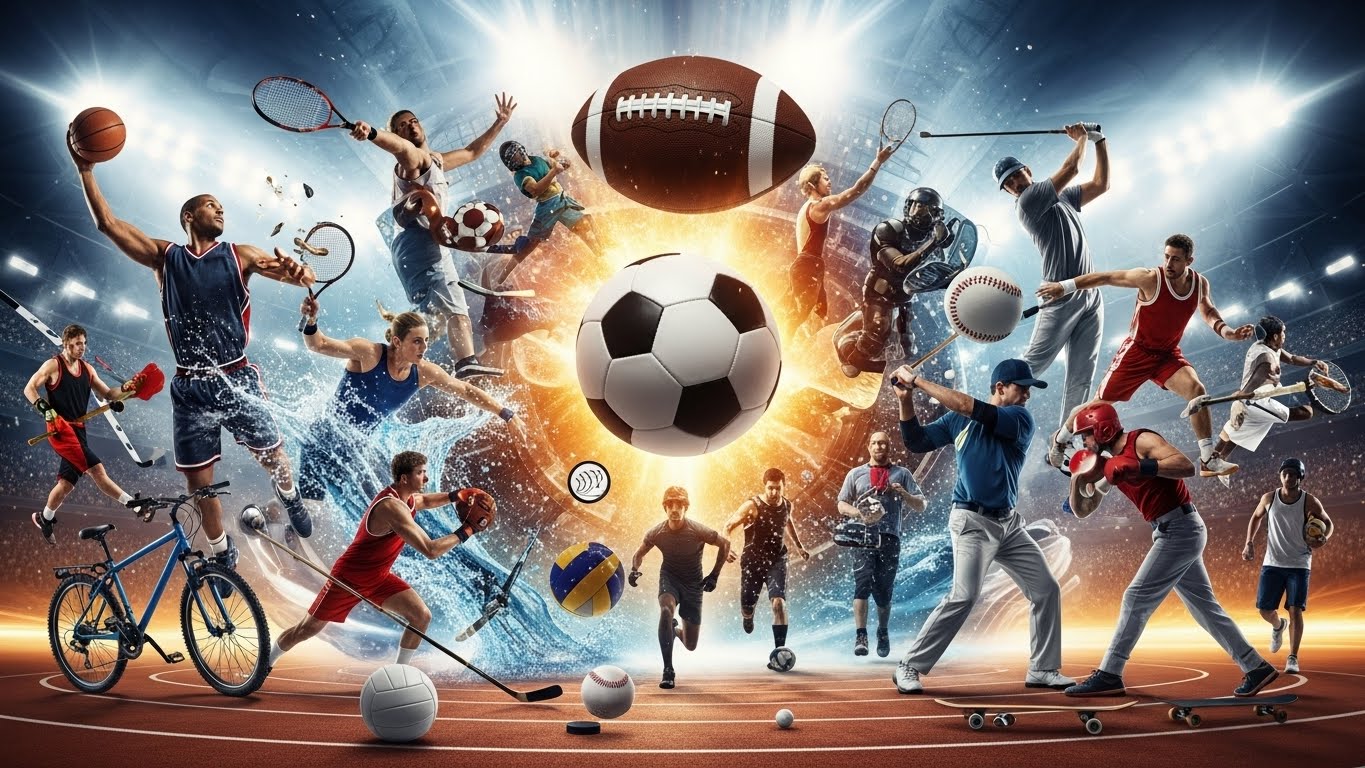
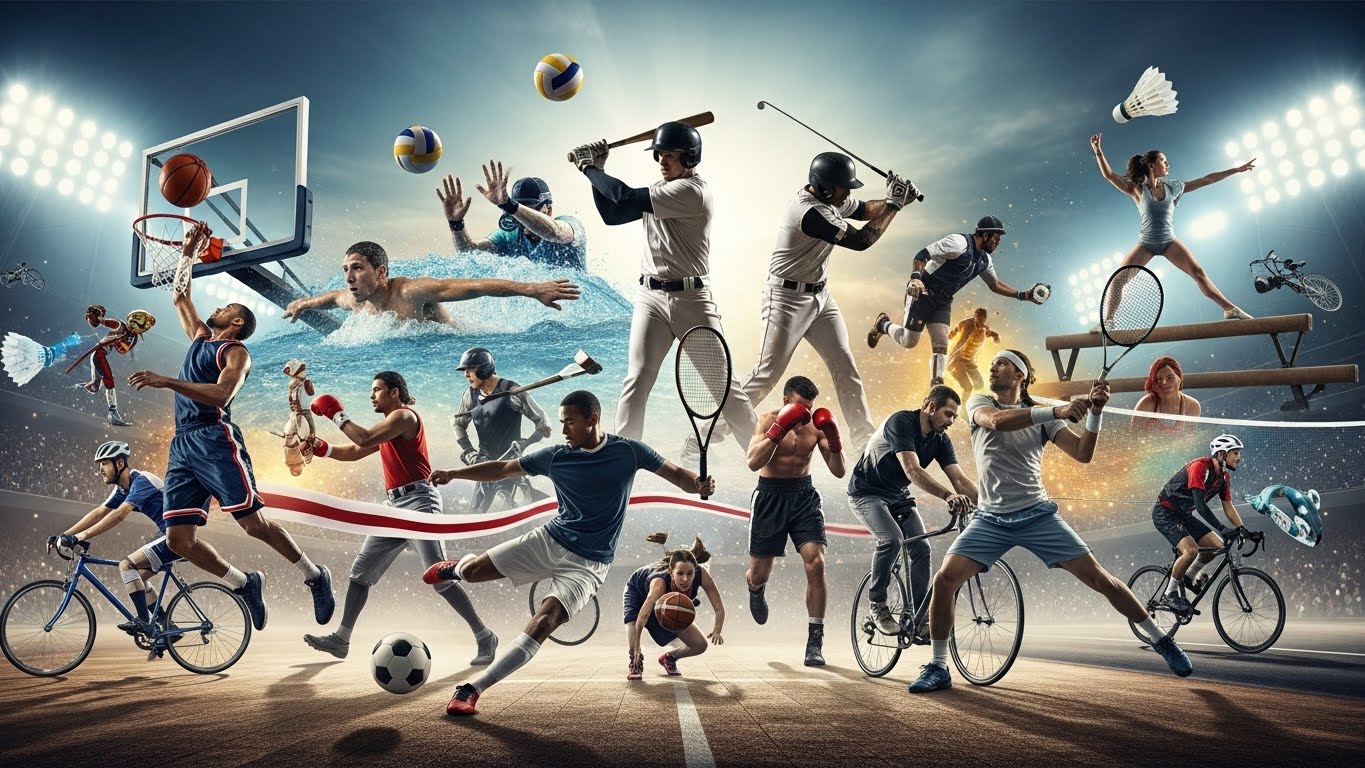
Sports have always been more than just a way to pass time. They have been a means of building bridges between communities, inspiring individuals, and creating narratives of struggle, success, and personal growth. From the roar of a crowd to the silence before a decisive play, sports have an undeniable power to unite people, influence cultures, and change lives. It’s not just about winning or losing; it’s about the lessons learned, the people met, and the emotions experienced along the way.
As the world becomes more interconnected, the role of sports continues to evolve, transcending geographical, cultural, and even technological boundaries. In this post, we will delve into the various ways that sports have shaped society, examine the impact they have on personal development, and explore what the future holds for this powerful global force.
The Universal Language of Sports
Sports are often called the universal language, a phenomenon that transcends borders and speaks to people regardless of their background, nationality, or language. From small-town communities to global superstars, the shared experience of sports is one that can unite individuals across continents.
At its core, sports have the unique ability to create a sense of belonging. A simple football match in a local park can bring together strangers who, for a few hours, become part of the same team. It’s in these moments of collective effort that sports show their true power. When a team wins, it’s not just the players who feel the joy—it’s the entire community that rallies behind them.
Take, for instance, the global spectacle of the FIFA World Cup. While it may seem like just a sporting event, it’s much more. It’s an event that brings nations together, igniting a shared sense of national pride. Football, or soccer as it is known in some parts of the world, is more than just a game; it is a part of cultural identity, a way for people to express who they are. The emotions felt during international competitions extend far beyond the pitch, resonating deeply with millions of fans across the globe.
Whether it’s basketball, cricket, rugby, or esports, the experience of being part of a larger community that shares the same passion is universal. The ability of sports to unite people from all walks of life, overcoming the language barriers and social divisions that may exist, is a testament to their unique role in the global community.
The Personal Benefits of Sports
While sports may be seen as an external spectacle, their most profound impact lies in the personal development they foster. Participation in sports, whether at the professional, amateur, or recreational level, provides a wide range of physical, mental, and emotional benefits.
Physical Health
There is no question that engaging in sports is one of the most effective ways to improve and maintain physical health. Regular participation in physical activities strengthens the body, improves cardiovascular health, builds muscle and bone density, and enhances flexibility. Additionally, it plays a crucial role in maintaining a healthy weight, preventing obesity, and reducing the risk of chronic conditions such as diabetes and hypertension.
For children and young adults, sports provide a strong foundation for physical health that can carry into adulthood. Kids who participate in sports develop essential motor skills, improve coordination, and learn healthy habits that often last a lifetime. As adults, the habit of engaging in sports helps manage stress and anxiety, boosts energy levels, and enhances overall wellbeing.
Mental Toughness and Discipline
While physical fitness is often the first thing people think about when it comes to sports, the mental benefits are equally profound. Sports teach resilience, discipline, and perseverance, traits that are crucial both on and off the field. Every athlete—no matter the level—faces challenges. Whether it’s the pressure of competition, dealing with a loss, or recovering from an injury, sports require mental toughness and determination.
For instance, a tennis player who loses a match must be able to regroup, learn from mistakes, and stay focused for the next game. This ability to push through difficulties and bounce back after setbacks is invaluable in every aspect of life. Moreover, sports teach players to work within structures—adhering to schedules, working with coaches, and following a routine. These lessons in discipline and time management extend well beyond the sports arena, helping individuals excel in academics, work, and relationships.
Building Self-Esteem and Confidence
There is perhaps no better way to boost one’s self-esteem than through achievement in sports. The sense of accomplishment that comes with improving a personal record, winning a game, or mastering a new skill is immense. For young people, sports provide an environment where they can build confidence by setting and achieving goals, working with others, and experiencing success after hard work.
On a larger scale, sports offer individuals the chance to prove their worth. From underdog teams rising to the challenge to individual athletes pushing the limits of human ability, sports are full of inspiring stories of individuals who surpass their perceived limits. These stories inspire others to believe that anything is possible if they put in the effort, reinforcing the idea that success often follows perseverance and dedication.
Sports and Their Role in Society
Beyond the individual, sports play an integral role in shaping and influencing society. They provide a powerful platform for social change, contribute to national identity, and reflect the cultural dynamics of a given society. Through sports, broader societal values are often put on display.
A Platform for Social Change
Historically, sports have been at the forefront of social change. Athletes, using their platforms, have raised awareness about important societal issues and have played a role in challenging the status quo. From the civil rights protests led by athletes like Muhammad Ali and Jackie Robinson to the activism of modern-day figures like Colin Kaepernick and Serena Williams, sports have often been a battleground for social issues, including race, gender equality, and LGBTQ rights.
The impact of these athletes extends beyond the sports themselves, as they spark broader conversations within society. Their courage to stand up for what they believe in encourages others to take action, proving that sports are not just about the game but also about shaping the world outside of it.
National Pride and Identity
Sports also play an essential role in shaping national identity. International competitions like the Olympics, the FIFA World Cup, and the Cricket World Cup serve as platforms for nations to showcase their athletes and, by extension, their cultures. These events provide moments of collective pride that unite citizens across political, social, and economic lines.
When a nation’s team performs well, it fosters a sense of shared accomplishment. It gives people something to rally behind, whether it’s a small village cheering for a local athlete or an entire country celebrating a gold medal win. Sports offer a unique opportunity to define national pride and solidarity in a way that few other activities can.
Promoting Inclusion and Diversity
Sports also have the power to break down barriers and promote inclusivity. With increased attention on gender equality, more women are taking their place on the field in traditionally male-dominated sports, and leagues such as the WNBA and the Women’s Football World Cup are gaining more recognition and support. These developments have empowered women and girls around the world to participate in sports, breaking down traditional gender roles and creating more opportunities for women in athletics.
Additionally, sports provide a space for athletes of different races, ethnicities, and backgrounds to come together, creating environments where diversity is celebrated. The integration of athletes from various backgrounds has not only made sports more exciting but has also fostered an environment where people learn to appreciate each other’s differences, both on and off the field.
The Economic Impact of Sports
The sports industry is a major economic force, providing millions of jobs worldwide and generating significant revenue. Professional sports leagues, events, and sponsorships contribute billions of dollars to the global economy each year. The National Football League (NFL), the National Basketball Association (NBA), and the Premier League are some of the most lucrative entities in sports, earning money through ticket sales, merchandise, advertising, and broadcasting rights.
Sports events themselves also have significant economic impacts. International tournaments like the FIFA World Cup or the Olympics often bring in substantial revenue for host cities through tourism, hospitality, and infrastructure development. In fact, many cities use sports events as a catalyst for urban development, transforming local economies and creating long-lasting benefits for their populations.
Sports also play a role in local economies. Community sports leagues and recreational activities help generate jobs in coaching, management, and event planning. They promote local businesses by drawing fans to stadiums and arenas, and they offer valuable opportunities for youth development, helping the next generation of athletes and citizens grow and thrive.
The Future of Sports: Technology and Evolution
As we look to the future, the world of sports is changing in exciting ways. Technological advancements, such as virtual reality (VR), augmented reality (AR), and enhanced data analytics, are transforming the way fans experience sports and how athletes train.
Esports, the world of competitive video gaming, has become an industry in its own right, attracting millions of fans and generating substantial revenue. As technology continues to develop, the line between traditional sports and digital competition may blur even further. With immersive experiences that allow fans to participate virtually in games or train using augmented simulations, the future of sports holds endless possibilities.
Moreover, the focus on inclusivity and accessibility is likely to continue, allowing more people of different abilities and backgrounds to engage with sports. Adaptive sports for individuals with disabilities are already growing in popularity, with events like the Paralympic Games offering a platform for athletes to demonstrate their incredible abilities.