Sports have always been more than just physical activity. They are a reflection of human ambition, teamwork, and the constant desire to achieve greatness. From ancient arenas to modern stadiums, from local playgrounds to global tournaments, sports unite people across cultures and generations. Whether it’s the roar of the crowd during a football final or the silence before a tennis serve, every moment in sports carries emotion, purpose, and history. This blog explores the vast world of sports—its evolution, importance, and the impact it continues to have on our lives.
The Origins and Evolution of Sports
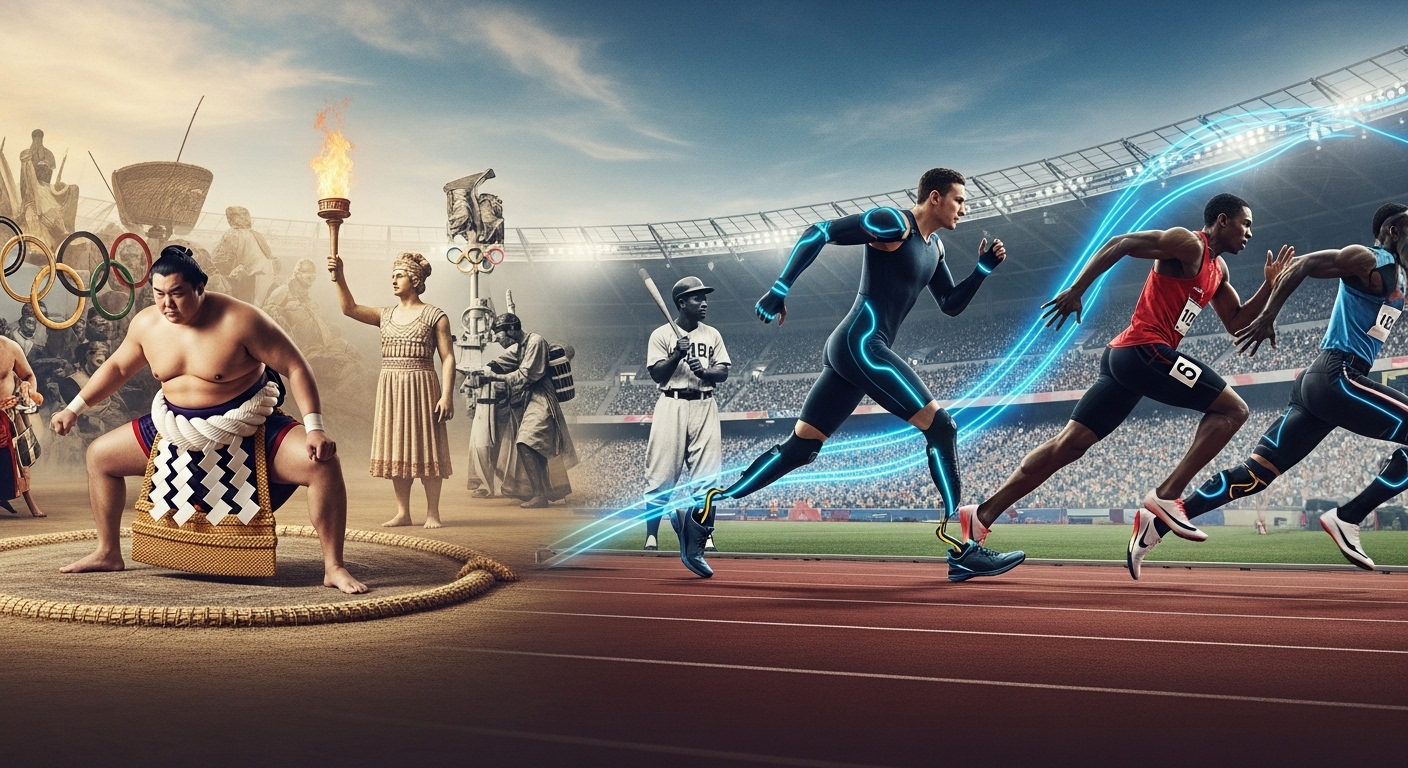
The concept of sports dates back to ancient civilizations. In Egypt, Persia, Greece, and Rome, early forms of physical contests were held for both recreation and training. The ancient Olympic Games, which began in 776 BC in Greece, were among the first organized sporting events in human history. Athletes competed in running, wrestling, discus throwing, and chariot racing. These events were not just competitions; they were cultural celebrations of strength, honor, and human excellence.
As societies evolved, so did their sports. The medieval period saw the rise of jousting, archery, and horseback competitions, reflecting the warrior culture of the time. In Asia, martial arts such as kung fu, judo, and karate developed as both combat systems and disciplines of mind and spirit. Indigenous tribes across the Americas played games that were often tied to their traditions and rituals.
The modern age of sports began in the 19th century with industrialization and global communication. Organized rules, standardized equipment, and international competitions turned local pastimes into professional sports. Football, cricket, basketball, baseball, and athletics gained immense popularity, setting the stage for the global sporting culture we know today.
The Globalization of Sports
The world of sports has transcended national boundaries. Today, it is one of the most powerful tools of globalization. Events like the Olympic Games and the FIFA World Cup bring together athletes and fans from every corner of the world. These occasions are not just competitions but also celebrations of cultural diversity, unity, and peace.
Global media networks have also transformed sports into a shared experience. A fan in Brazil can watch the NBA finals live, while someone in Japan can follow a cricket match in India in real time. The internet, social media, and streaming platforms have turned sports into a global phenomenon accessible to everyone, regardless of location.
Athletes themselves have become global icons. Figures like Lionel Messi, Serena Williams, Roger Federer, and Usain Bolt are recognized worldwide. Their influence extends beyond the field, shaping culture, fashion, and even politics. Sports have created a universal language that transcends borders and connects people through shared passion.
The Spirit of Competition and Human Resilience
At the heart of every sport lies competition. It is the desire to win, to push the limits, and to overcome challenges. But beyond the trophies and medals, competition also teaches humility, respect, and perseverance. Every athlete, regardless of their level, experiences moments of failure and doubt. What defines them is their ability to rise again.
The resilience of athletes is often a reflection of human strength. Consider a marathon runner who continues despite exhaustion, or a boxer who stands up after being knocked down. These moments symbolize the spirit of determination that inspires millions of people beyond the world of sports.
Sports also remind us that success is not always measured by victory. Sometimes, the greatest triumphs are personal—recovering from injury, breaking a personal record, or simply having the courage to compete. This universal lesson of persistence and mental toughness makes sports one of the most powerful teachers of life.
The Role of Teamwork and Leadership
No sport, whether individual or collective, is played in isolation. Even solo athletes rely on coaches, trainers, and support staff. Teamwork is the foundation upon which great sporting success is built. Every pass in football, every assist in basketball, every synchronized move in a relay race reflects coordination and trust.
In team sports, players learn to communicate, share responsibility, and support each other through both triumphs and defeats. Leadership emerges naturally in such environments. A captain who motivates, a coach who strategizes, and teammates who inspire one another—these roles highlight how sports develop essential qualities of leadership and collaboration that extend beyond the game itself.
Moreover, teamwork in sports mirrors the structure of society. It demonstrates how collective effort can lead to greater success than individual brilliance alone. Through teamwork, athletes learn to respect differences, value each contribution, and understand the importance of unity.
The Impact of Sports on Physical and Mental Health
Sports are one of the most effective ways to maintain a healthy lifestyle. Regular physical activity improves cardiovascular health, strengthens muscles, and enhances flexibility. Beyond physical benefits, sports also have a profound effect on mental well-being.
Participating in sports releases endorphins—natural chemicals that boost mood and reduce stress. Athletes often report higher levels of confidence and self-esteem. Team sports encourage social interaction and a sense of belonging, which helps combat loneliness and depression.
For children and teenagers, sports play a crucial role in development. They learn discipline, patience, and the importance of setting goals. It keeps them physically active while teaching valuable lessons about hard work and fair play. For adults, sports offer a way to relieve stress from daily life, stay fit, and maintain social connections.
Even spectators benefit mentally from sports. Watching one’s favorite team or athlete can create excitement, joy, and a sense of shared identity. Sports foster emotional engagement that unites people across backgrounds and beliefs.
The Rise of Women in Sports
The evolution of women’s participation in sports is one of the most inspiring aspects of modern history. For centuries, sports were dominated by men, but women have steadily fought for equality and recognition. From the first female Olympians to the global stars of today, women athletes have reshaped the narrative of sports.
Icons such as Billie Jean King, Mia Hamm, Simone Biles, and Naomi Osaka have become symbols of empowerment and excellence. Women’s football leagues, cricket tournaments, and the WNBA have gained immense popularity, drawing millions of fans. These achievements have inspired new generations of girls to dream without limitations.
The rise of women in sports also highlights broader social progress. It challenges stereotypes, promotes equality, and creates opportunities for leadership and representation. As more investment and attention flow toward women’s sports, the future looks brighter for gender balance in athletics.
Sports as a Tool for Education and Character Building
Sports are not just about winning games—they are about building character. Educational institutions around the world use sports as a way to teach life skills. Through participation, students learn discipline, teamwork, respect for rules, and how to cope with both success and failure.
Athletes often serve as role models for younger generations. Their stories of perseverance encourage students to stay committed to their goals. Moreover, sports teach time management, responsibility, and the importance of balancing academics with physical activity.
Schools that emphasize sports often produce well-rounded individuals who excel not only in their chosen fields but also in leadership and community service. The values learned on the field extend into every aspect of life, making sports a vital part of personal growth.
The Economic and Cultural Influence of Sports
Sports have become a multi-billion-dollar industry that impacts global economies. Major events generate tourism, create jobs, and drive business for industries like advertising, broadcasting, and merchandise. Cities that host the Olympics or World Cup experience massive infrastructure development and international recognition.
Athletes also contribute to culture and economy through endorsements, philanthropy, and entrepreneurship. Sportswear brands, technology companies, and even fashion designers collaborate with athletes to reach global audiences. The influence of sports extends into music, movies, and lifestyle trends, shaping modern culture in profound ways.
However, the commercialization of sports also raises important questions. Issues like corruption, doping, and exploitation of young talent have sparked debates about ethics and fairness. Balancing profit with integrity remains a major challenge in modern sports management.
The Role of Technology in Modern Sports
Technology has revolutionized how sports are played, watched, and analyzed. High-speed cameras, virtual replays, and wearable sensors have improved performance measurement and officiating accuracy. Coaches use data analytics to study player movements, tactics, and even mental readiness.
For fans, technology has transformed the viewing experience. Augmented reality, instant highlights, and online streaming make it possible to engage with sports anytime, anywhere. Social media gives athletes a direct connection to their supporters, creating a closer and more interactive relationship.
Moreover, technology has improved safety and injury prevention. Modern equipment and training methods minimize risks and extend athletic careers. In the future, advancements like artificial intelligence and virtual reality will further redefine how athletes train and how audiences experience sports.
Sports and Social Change
Sports have often been a platform for social and political expression. Throughout history, athletes have used their influence to promote justice, equality, and human rights. From the raised fists of Tommie Smith and John Carlos at the 1968 Olympics to modern campaigns against racism and discrimination, sports continue to inspire change.
Athletes today play a significant role in advocating for social causes. They raise awareness about mental health, gender equality, and environmental sustainability. Their voices reach millions, making sports one of the most effective vehicles for global dialogue and reform.
When sports promote inclusivity, they help break barriers and build bridges. Initiatives for people with disabilities, such as the Paralympic Games, demonstrate that physical limitations do not define human potential. Sports embody the universal truth that everyone deserves a chance to participate and achieve.
The Emotional Power of Sports
Few things in life evoke emotion like sports do. The thrill of victory, the pain of defeat, the suspense of a close match—these moments create lasting memories. Sports bring families, friends, and entire nations together. They give people something to believe in, something to celebrate, and sometimes, something to heal from.
The emotional connection between fans and teams goes beyond logic. It’s about identity and belonging. When a country wins an international championship, it ignites pride and unity among its citizens. Even at the local level, sports build communities and strengthen social bonds.
Athletes, too, experience deep emotional journeys. Their sacrifices, struggles, and triumphs reflect human emotion in its purest form. Every goal, every finish line crossed, and every comeback story adds to the timeless beauty of sports.
The Future of Sports
As we move deeper into the 21st century, sports continue to evolve. E-sports, virtual competitions, and mixed-gender tournaments are expanding the definition of athletics. The boundaries between traditional sports and technology are fading, opening new opportunities for participation and entertainment.
Sustainability is also becoming a key focus. Eco-friendly stadiums, renewable energy use, and green initiatives are changing how major events are organized. The future of sports will not only depend on innovation but also on responsibility—toward the environment, society, and the athletes themselves.
Additionally, the growing awareness of mental health in sports marks a new era. Athletes are now encouraged to speak openly about pressure, anxiety, and burnout. This shift toward empathy and balance promises a healthier, more inclusive sporting culture for generations to come.
Conclusion
Sports are a celebration of life. They embody the best of humanity—discipline, courage, unity, and joy. From the ancient Olympics to modern global tournaments, sports have always inspired people to dream bigger and strive harder. They teach us lessons about respect, fairness, and perseverance that go far beyond the field.
In every cheering fan, in every determined athlete, and in every child who picks up a ball or a racket for the first time, the spirit of sports lives on. It connects us, challenges us, and reminds us that no matter where we come from, we all share the same passion for the game.